

Class notes NURSING 212
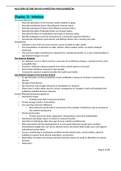
Chapter 15 - Infection Learning Objectives Describe alterations in the immune system related to aging. Describe nutritional factors that influence immune status. Describe psychosocial factors that influence immune status. Describe the effect of lifestyle factors on immune status. Describe the effect of medications and drugs on immune status. Identify strategies to prevent nosocomial or community-acquired infections. Incorporate nutritional, psychosocial, and lifestyle factors into a nursing care plan. Introduction Infection is one of the 10 most common causes of death in older adults The presentation of infections in older adults is often masked, which can lead to delayed treatment The immune system functioning is important for maintaining health, so a clear understanding of age-related changes is crucial The Chain of Infection For infection to occur, there must be a reservoir of an infectious disease, a portal of entry, and a susceptible host Zoonoses: infectious diseases passed from other animal species to humans Nosocomial infections: acquired in the hospital Community acquired: acquired outside the health care facility Age-Related Changes in the Immune System As age increases, so does production of auto antibodies causing an increase in autoimmune disease Atrophy of the thymus Skin becomes more fragile and prone to breakdown or abrasion Illness seen in older adults may be a direct consequence of changes in both cell-mediated and antibody-mediated immune response Factors Affecting Immunocompetence Nutritional factors Critically important to immune function Protein-energy (caloric) malnutrition Iron and trace element deficiency Decreased zinc levels lea
Document information
- Uploaded on
- January 19, 2023
- Number of pages
- 21
- Written in
- 2022/2023
- Type
- Class notes
- Professor(s)
- Prof
- Contains
- All classes


