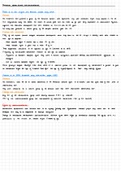
Romanian orphan studies : institutionalisation
Rutter at 2011 Romanian
study CERAI
et
English and
adoptee
Procedure
The 165 experienced conditions
researchers have
followed a
group of Romain an orphans who
very poor before being adopted in the UK .
This
longitudinal study has tested the extent to which
good care can make up for poor early experiences in institutions .
Physical ,
416,11115
cognitive and emotional development has been assessed at and 22-25
years
.
control 52 children UK
The stray also
followed a
group of adopted from
the .
Findings and conclusions
Half of the orphans snowed delayed intellectual
development when
they came to the UK . At
age 11 recovery rates were related to
their
age at adoption :
6 IQ
'
those adopted before months had a mean
of 102
adopted 2 had IQ 77
-
those
after years a mean
of
These continued 16 C. Beckett 2010)
differences to be
apparent at
age
et at
Frequency of dis inhibited attachment related to the
age at adoption .
indiscriminate ion
Apparent children
adopted they 6 attention seeking affection to
•
and
in
after were months
elinginess
: -
,
strangers
6 months
•
in
rare children adopted before the
age of
.
These
findings support Bowlby's view that there is a sensitive
period in the development of attachments a
failure to
form
-
land
years) appears lasting effects
have
an attachment
before the
age of
6 months
after the
age of 2 to
long
- .
Zeanah et at 2005 Bucharest
early intervention
project CBED
Procedure
The the SS in 95 Romain an children 12-31 months had most their in
researchers used to assess attachment
aged who
spent of lives
institutional care
to control had experienced institutional
they were
compared a
group of 50 children Mano never care .
Findings and conclusions
19% the institutional were securely attached C. 74.1 controls)
only of group of
.
44% the institutionalised had characteristics inhibited attachment 120% the controls)
of group of of
Effects of institutionalisation
dis inhibited attachment = such children terra to be
equally friendly and
affectionate towards
people they know well or total
strangers . This
may be an
adaptation to
multiple caregivers .
Damage to institutionalised intellectual disability
intellectual development = children
often
show
signs of .
This
effect isn't as
children 6 months
pronounced if the are adopted before of age .
Rutter at 2011 Romanian
study CERAI
et
English and
adoptee
Procedure
The 165 experienced conditions
researchers have
followed a
group of Romain an orphans who
very poor before being adopted in the UK .
This
longitudinal study has tested the extent to which
good care can make up for poor early experiences in institutions .
Physical ,
416,11115
cognitive and emotional development has been assessed at and 22-25
years
.
control 52 children UK
The stray also
followed a
group of adopted from
the .
Findings and conclusions
Half of the orphans snowed delayed intellectual
development when
they came to the UK . At
age 11 recovery rates were related to
their
age at adoption :
6 IQ
'
those adopted before months had a mean
of 102
adopted 2 had IQ 77
-
those
after years a mean
of
These continued 16 C. Beckett 2010)
differences to be
apparent at
age
et at
Frequency of dis inhibited attachment related to the
age at adoption .
indiscriminate ion
Apparent children
adopted they 6 attention seeking affection to
•
and
in
after were months
elinginess
: -
,
strangers
6 months
•
in
rare children adopted before the
age of
.
These
findings support Bowlby's view that there is a sensitive
period in the development of attachments a
failure to
form
-
land
years) appears lasting effects
have
an attachment
before the
age of
6 months
after the
age of 2 to
long
- .
Zeanah et at 2005 Bucharest
early intervention
project CBED
Procedure
The the SS in 95 Romain an children 12-31 months had most their in
researchers used to assess attachment
aged who
spent of lives
institutional care
to control had experienced institutional
they were
compared a
group of 50 children Mano never care .
Findings and conclusions
19% the institutional were securely attached C. 74.1 controls)
only of group of
.
44% the institutionalised had characteristics inhibited attachment 120% the controls)
of group of of
Effects of institutionalisation
dis inhibited attachment = such children terra to be
equally friendly and
affectionate towards
people they know well or total
strangers . This
may be an
adaptation to
multiple caregivers .
Damage to institutionalised intellectual disability
intellectual development = children
often
show
signs of .
This
effect isn't as
children 6 months
pronounced if the are adopted before of age .