
Proteure ROTEINE
-
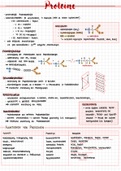
unverzweigle Makromoleküle
Aminosäureketten 20 verschiedene 8 essenriell ( im Körper synthetisiert
nicht
-
:
)
,
A m i n o s ä u re n
Peptic
5 0
=
s
2 AS =
DiDeptid
Aminosäuren H o
s
3 AS =
Tripeptid -
Aminogruppe CNHz H N C G
= 10 Oligopeptid
)
s AS
=
-
carboxylgruppe CCOOHt H R O H
polypeptid
5O
AS
)
=
-
Rest s variabel a
-Aminosäure
.2
50 Aminosäuren =
Protein
; bestimmt organische Eigenschaften ( saure Base
- mögliche Anordnungen
Polarität,
)
-
:
wiele
2. B 300 Aminosäuren 28300 mögliche Anordnungen
=
.
primärstruktur
-
verknüpfung der Aminosäuren durch Peptidbindungen
-
kettenanfang freie NHz H O H o
:
H w
-Gruppe
-
Kettenende freie CooH H NV E [
t
H o
s
Q H
+
u iv i e i i C
:
-Gruppe
H R H R O H
H R o H H I T C
Aminosäuresequenz peptidbindung
H R G H
O
H NV
[
.
i
.
H
O H H
H
O
O
sekundärstruktur H o H
- der peptidbindungen durch H
O
H H
-Brücken
verbindung
o w
- höcnstmögliche Anzahl an H ' a B Faltblaltstruktur
-
-Brücken
H
-Helixstruktur,
H
räumliche Anordnung der peptidgruppen O
H W
O
Terticirstruktur
- verschiedene wechselwirkungen H London Disulfidbrücken lonenbindungen
,
..
:
-Brücken,
-wws,
,
-
spiralisierte u gefaltete Aminosäureketten
räumliche Anordnung der Reste Benaturierung
=
durch äußere Einflüsse nervor
-
Quartärstruktur gerufene Veränderung der
-
proteinkomplexe aus mehreren Proteinmolekülen sekundär Tertiär und Quartär
-
.
,
-
mehrere untereinheiten a mehrere Processe gieichreitig C Hämoglobin struktur verlust
der nativen
.
2.B.
)
räumliche Anordnung der Proteinmoleküle Konfiguration C Spiegelei
.B.
)
EUNKTIONEN VON PROTEINEN
Funktion proteintyp Beispiele
Gerüstbildung Formgebung Halt strukturproteine seidenfaden
spimmen insekten
Kouagene Elastin Keratin
Bindlegewebse
,
,
Sehnam Bänder
,
,
Federn
,
Hasere Horn
,
,
,
,
,
schutz immunantwort foxine Abwehrproteine Toxine Antikörper
schieangen immunsystem
,
,
,
Bewegung kontraktile Proteine Actin MyosiN
,
Muskein
stofft ransport Transportproteine Hämoglobin Tunnelproteine ionenpumped
ransportmoleküle
,
im Körper durch Membranen
,
transport
Katalyse Reaktionssteuerung Enzyme Enzyme
Besamlennigung von stoffwe amsel prozessen
,
Regulation von wachstum u Stoffwechsel Hormone Imsulin Glucagon
.
Blutzwackerspiegels
,
d
Regulation
.
informationsaufnanme Rereptorproteine Nervenzelle Leulmembran
,
Rezeptormoleküce
-
unverzweigle Makromoleküle
Aminosäureketten 20 verschiedene 8 essenriell ( im Körper synthetisiert
nicht
-
:
)
,
A m i n o s ä u re n
Peptic
5 0
=
s
2 AS =
DiDeptid
Aminosäuren H o
s
3 AS =
Tripeptid -
Aminogruppe CNHz H N C G
= 10 Oligopeptid
)
s AS
=
-
carboxylgruppe CCOOHt H R O H
polypeptid
5O
AS
)
=
-
Rest s variabel a
-Aminosäure
.2
50 Aminosäuren =
Protein
; bestimmt organische Eigenschaften ( saure Base
- mögliche Anordnungen
Polarität,
)
-
:
wiele
2. B 300 Aminosäuren 28300 mögliche Anordnungen
=
.
primärstruktur
-
verknüpfung der Aminosäuren durch Peptidbindungen
-
kettenanfang freie NHz H O H o
:
H w
-Gruppe
-
Kettenende freie CooH H NV E [
t
H o
s
Q H
+
u iv i e i i C
:
-Gruppe
H R H R O H
H R o H H I T C
Aminosäuresequenz peptidbindung
H R G H
O
H NV
[
.
i
.
H
O H H
H
O
O
sekundärstruktur H o H
- der peptidbindungen durch H
O
H H
-Brücken
verbindung
o w
- höcnstmögliche Anzahl an H ' a B Faltblaltstruktur
-
-Brücken
H
-Helixstruktur,
H
räumliche Anordnung der peptidgruppen O
H W
O
Terticirstruktur
- verschiedene wechselwirkungen H London Disulfidbrücken lonenbindungen
,
..
:
-Brücken,
-wws,
,
-
spiralisierte u gefaltete Aminosäureketten
räumliche Anordnung der Reste Benaturierung
=
durch äußere Einflüsse nervor
-
Quartärstruktur gerufene Veränderung der
-
proteinkomplexe aus mehreren Proteinmolekülen sekundär Tertiär und Quartär
-
.
,
-
mehrere untereinheiten a mehrere Processe gieichreitig C Hämoglobin struktur verlust
der nativen
.
2.B.
)
räumliche Anordnung der Proteinmoleküle Konfiguration C Spiegelei
.B.
)
EUNKTIONEN VON PROTEINEN
Funktion proteintyp Beispiele
Gerüstbildung Formgebung Halt strukturproteine seidenfaden
spimmen insekten
Kouagene Elastin Keratin
Bindlegewebse
,
,
Sehnam Bänder
,
,
Federn
,
Hasere Horn
,
,
,
,
,
schutz immunantwort foxine Abwehrproteine Toxine Antikörper
schieangen immunsystem
,
,
,
Bewegung kontraktile Proteine Actin MyosiN
,
Muskein
stofft ransport Transportproteine Hämoglobin Tunnelproteine ionenpumped
ransportmoleküle
,
im Körper durch Membranen
,
transport
Katalyse Reaktionssteuerung Enzyme Enzyme
Besamlennigung von stoffwe amsel prozessen
,
Regulation von wachstum u Stoffwechsel Hormone Imsulin Glucagon
.
Blutzwackerspiegels
,
d
Regulation
.
informationsaufnanme Rereptorproteine Nervenzelle Leulmembran
,
Rezeptormoleküce


