SPORT PSYCHOLOGY
Revision 2022-2023
Marie Van Pelt
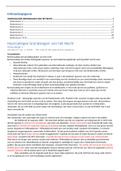
,Inhoud
Part 1: introduction to sport psychology......................................................................................................... 1
1. What is sport psychology?................................................................................................................................1
1.1. Scientific discipline.....................................................................................................................................1
1.2. Purpose of sport psychology......................................................................................................................1
1.3. Multidisciplinary.........................................................................................................................................2
1.4. Subject of sport psychology.......................................................................................................................3
2. History of sport psychology...............................................................................................................................4
2.1. Roots...........................................................................................................................................................4
2.2. USA.............................................................................................................................................................4
2.3. Europe........................................................................................................................................................5
2.4. Worldwide..................................................................................................................................................5
2.5. What the future may bring to sport psychology........................................................................................5
3. Sport Psychology in practice.............................................................................................................................7
3.1. What do sport psychologists do?...............................................................................................................7
3.2. Who is a sport psychologist?......................................................................................................................7
3.3. In general....................................................................................................................................................7
3.4. A scientist-practitioner approach...............................................................................................................7
Part 2: Peak Performance............................................................................................................................... 8
1. Introduction.......................................................................................................................................................8
1.1. Description of Peak Performance..............................................................................................................8
2. Flow and clutch experiences.............................................................................................................................9
2.1. Flow experiences........................................................................................................................................9
2.2. Clutch experience.....................................................................................................................................10
2.3. Differences of the two states...................................................................................................................10
2.4. Self-regulation in the two states..............................................................................................................11
3. Individual zone of optimal functioning (IZOF).................................................................................................12
3.1. Performance related emotions................................................................................................................12
4. What contributes to Peak Performance?........................................................................................................13
4.1. Factors that contribute to achieving Peak Performance.........................................................................13
4.2. Psychological strategies used to achieve Peak Performance..................................................................13
Part 3: arousal, anxiety and stress response................................................................................................. 14
1. Defining arousal, anxiety and stress...............................................................................................................14
1.1. Arousal......................................................................................................................................................14
1.2. Axiety........................................................................................................................................................14
, 1.3. Stress........................................................................................................................................................15
2. Connection arousal and anxiety to performance............................................................................................16
2.1. Social Facilitation Theory (Zajong, 1965).................................................................................................16
2.2. Inverted-U Hypothesis (Landers & Arent, 2010)......................................................................................16
2.3. IZOF model (Individual Zone of Optimal Functioning..............................................................................16
2.4. Catastrophe Theory..................................................................................................................................17
3. Copint with anxiety and its consequences......................................................................................................18
3.1. Reducing the intensity of anxiety symptoms...........................................................................................18
3.2. Restructuring interpreation of anxiety symptoms...................................................................................21
Part 4: Personality and individual differences............................................................................................... 22
1. What is personality?.......................................................................................................................................22
1.1. Behavioristic approach.............................................................................................................................22
1.2. Personality traits or dispositions..............................................................................................................22
1.3. Big five personality framework................................................................................................................22
1.4. Interactionist approach............................................................................................................................23
1.5. Several layers of personality....................................................................................................................24
2. Measuring personality....................................................................................................................................25
2.1. Myers-Brigde type indicator.....................................................................................................................25
2.2. Big Five Assessment.................................................................................................................................25
3. Personality research in sport...........................................................................................................................26
3.1. Issues to keep in mind..............................................................................................................................26
3.2. Big Five personality traits in sport research.............................................................................................26
4. Individual differences......................................................................................................................................27
4.1. Competitive trait anxiety (CTA)................................................................................................................27
4.2. Hardiness..................................................................................................................................................28
4.3. Reinvestment...........................................................................................................................................29
4.4. Sensation seeking (risk taking).................................................................................................................29
4.5. Perfectionism...........................................................................................................................................30
Part 5: Goals and motivation........................................................................................................................ 33
1. Defining motivation........................................................................................................................................33
1.1. Approaches to motivation........................................................................................................................33
2. Theories of motivation....................................................................................................................................34
2.1. Need achievement theory........................................................................................................................34
2.2. attribution theory.....................................................................................................................................35
3. Achievement Goal Theory...............................................................................................................................36
4. Self-Determination Theory..............................................................................................................................39
4.1. the SRQ-E..................................................................................................................................................40
, 4.2. the basic psychological needs..................................................................................................................40
5. Combining the what and why of achievement motivation.............................................................................41
6. influencing goals and motivation....................................................................................................................42
Part 6: Teams............................................................................................................................................... 44
1. Groups in sport................................................................................................................................................44
1.1. group formation.......................................................................................................................................44
1.2. Group characteristics...............................................................................................................................45
1.3. group structure: roles and norms............................................................................................................45
2. group performance.........................................................................................................................................46
2.1. steiner’s model of individual-group performance...................................................................................46
2.2. ringelmann effect.....................................................................................................................................47
3. cohesion..........................................................................................................................................................48
3.1. the four dimensions of cohesion..............................................................................................................48
3.2. correlates of cohesion..............................................................................................................................48
4. team building..................................................................................................................................................49
4.1. environmental factors..............................................................................................................................49
4.2. personal factors........................................................................................................................................49
4.3. team factors.............................................................................................................................................49
5. social identity..................................................................................................................................................50
5.1. social categorization.................................................................................................................................50
5.2. social comparison.....................................................................................................................................50
5.3. social identification..................................................................................................................................51
Part 7: self-talk and imagery......................................................................................................................... 52
1. self-talk............................................................................................................................................................52
1.1. categories of self-talk...............................................................................................................................52
1.2. function....................................................................................................................................................52
1.3. why do we talk to ourselves?...................................................................................................................53
2. imagery...........................................................................................................................................................54
2.1. why do athletes use imagery?..................................................................................................................54
2.2. What do athletes image?.........................................................................................................................54
2.3. uses of imagery........................................................................................................................................55
Revision 2022-2023
Marie Van Pelt
,Inhoud
Part 1: introduction to sport psychology......................................................................................................... 1
1. What is sport psychology?................................................................................................................................1
1.1. Scientific discipline.....................................................................................................................................1
1.2. Purpose of sport psychology......................................................................................................................1
1.3. Multidisciplinary.........................................................................................................................................2
1.4. Subject of sport psychology.......................................................................................................................3
2. History of sport psychology...............................................................................................................................4
2.1. Roots...........................................................................................................................................................4
2.2. USA.............................................................................................................................................................4
2.3. Europe........................................................................................................................................................5
2.4. Worldwide..................................................................................................................................................5
2.5. What the future may bring to sport psychology........................................................................................5
3. Sport Psychology in practice.............................................................................................................................7
3.1. What do sport psychologists do?...............................................................................................................7
3.2. Who is a sport psychologist?......................................................................................................................7
3.3. In general....................................................................................................................................................7
3.4. A scientist-practitioner approach...............................................................................................................7
Part 2: Peak Performance............................................................................................................................... 8
1. Introduction.......................................................................................................................................................8
1.1. Description of Peak Performance..............................................................................................................8
2. Flow and clutch experiences.............................................................................................................................9
2.1. Flow experiences........................................................................................................................................9
2.2. Clutch experience.....................................................................................................................................10
2.3. Differences of the two states...................................................................................................................10
2.4. Self-regulation in the two states..............................................................................................................11
3. Individual zone of optimal functioning (IZOF).................................................................................................12
3.1. Performance related emotions................................................................................................................12
4. What contributes to Peak Performance?........................................................................................................13
4.1. Factors that contribute to achieving Peak Performance.........................................................................13
4.2. Psychological strategies used to achieve Peak Performance..................................................................13
Part 3: arousal, anxiety and stress response................................................................................................. 14
1. Defining arousal, anxiety and stress...............................................................................................................14
1.1. Arousal......................................................................................................................................................14
1.2. Axiety........................................................................................................................................................14
, 1.3. Stress........................................................................................................................................................15
2. Connection arousal and anxiety to performance............................................................................................16
2.1. Social Facilitation Theory (Zajong, 1965).................................................................................................16
2.2. Inverted-U Hypothesis (Landers & Arent, 2010)......................................................................................16
2.3. IZOF model (Individual Zone of Optimal Functioning..............................................................................16
2.4. Catastrophe Theory..................................................................................................................................17
3. Copint with anxiety and its consequences......................................................................................................18
3.1. Reducing the intensity of anxiety symptoms...........................................................................................18
3.2. Restructuring interpreation of anxiety symptoms...................................................................................21
Part 4: Personality and individual differences............................................................................................... 22
1. What is personality?.......................................................................................................................................22
1.1. Behavioristic approach.............................................................................................................................22
1.2. Personality traits or dispositions..............................................................................................................22
1.3. Big five personality framework................................................................................................................22
1.4. Interactionist approach............................................................................................................................23
1.5. Several layers of personality....................................................................................................................24
2. Measuring personality....................................................................................................................................25
2.1. Myers-Brigde type indicator.....................................................................................................................25
2.2. Big Five Assessment.................................................................................................................................25
3. Personality research in sport...........................................................................................................................26
3.1. Issues to keep in mind..............................................................................................................................26
3.2. Big Five personality traits in sport research.............................................................................................26
4. Individual differences......................................................................................................................................27
4.1. Competitive trait anxiety (CTA)................................................................................................................27
4.2. Hardiness..................................................................................................................................................28
4.3. Reinvestment...........................................................................................................................................29
4.4. Sensation seeking (risk taking).................................................................................................................29
4.5. Perfectionism...........................................................................................................................................30
Part 5: Goals and motivation........................................................................................................................ 33
1. Defining motivation........................................................................................................................................33
1.1. Approaches to motivation........................................................................................................................33
2. Theories of motivation....................................................................................................................................34
2.1. Need achievement theory........................................................................................................................34
2.2. attribution theory.....................................................................................................................................35
3. Achievement Goal Theory...............................................................................................................................36
4. Self-Determination Theory..............................................................................................................................39
4.1. the SRQ-E..................................................................................................................................................40
, 4.2. the basic psychological needs..................................................................................................................40
5. Combining the what and why of achievement motivation.............................................................................41
6. influencing goals and motivation....................................................................................................................42
Part 6: Teams............................................................................................................................................... 44
1. Groups in sport................................................................................................................................................44
1.1. group formation.......................................................................................................................................44
1.2. Group characteristics...............................................................................................................................45
1.3. group structure: roles and norms............................................................................................................45
2. group performance.........................................................................................................................................46
2.1. steiner’s model of individual-group performance...................................................................................46
2.2. ringelmann effect.....................................................................................................................................47
3. cohesion..........................................................................................................................................................48
3.1. the four dimensions of cohesion..............................................................................................................48
3.2. correlates of cohesion..............................................................................................................................48
4. team building..................................................................................................................................................49
4.1. environmental factors..............................................................................................................................49
4.2. personal factors........................................................................................................................................49
4.3. team factors.............................................................................................................................................49
5. social identity..................................................................................................................................................50
5.1. social categorization.................................................................................................................................50
5.2. social comparison.....................................................................................................................................50
5.3. social identification..................................................................................................................................51
Part 7: self-talk and imagery......................................................................................................................... 52
1. self-talk............................................................................................................................................................52
1.1. categories of self-talk...............................................................................................................................52
1.2. function....................................................................................................................................................52
1.3. why do we talk to ourselves?...................................................................................................................53
2. imagery...........................................................................................................................................................54
2.1. why do athletes use imagery?..................................................................................................................54
2.2. What do athletes image?.........................................................................................................................54
2.3. uses of imagery........................................................................................................................................55