RS Unit 1
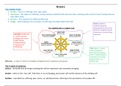
The 4 Noble Truths
1. Dukkha – there is suffering: birth, age, death
2. Samudaya – the origin of suffering: craving: being unsatisfied with what we have, wanting what we don’t have, having what we
own taken away
3. Nirodha – the cessation of suffering (nibanna)
4. Magga – path leading to the cessation of suffering, the Noble Eight-Fold Path
Panna (wisdom) –
Understanding the
philosophical truths of the
dhamma. Emphasising the
importance of overcoming
Samudhi (meditation) ignorance
– mental training
bringing one’s mind
under control.
Emphasising the
importance of
meditating
Sila (eithics) – acting
with compassion
(karuna) and doing no
harm. Emphasising the
importance of having
good morals in an
Nibanna – a state of mind of complete enlightenment, happiness and peace ethical way
The 3 marks of existence
Anicca – the belief that all things including the self are important and constantly changing
Anatta – refers to the ‘non-self’, that there Is no unchanging, permanent self and the absence of the abiding self
Dukkha – translated as suffering, pain, stress, un-satisfactoriness; referring to the painfulness of mundane life
, The Eight-Fold Path (magga)
Right View – seeing reality as it really is without delusions
Right Intention – having the right approach and outlook to following the Eight-Fold path
Right Speech – speaking truthfully in a helpful way, avoiding gossip or lying
Right Action – practicing the 5 moral precepts, not causing harm to one another, avoiding stealing or overindulging
Right Livelihood – earning a living in a way that does not cause harm to others, not doing work that exploits people or harms animals
Right Effort – putting effort into developing and sustaining skilful mental skills
Right Concentration – developing the concentration and focus required to meditate
Right Mindfulness – developing awareness of yourself and the world around you
Magga is a way of practice
Things prohibited by the Way Of Wisdom:
• Selfishness
• Not thinning about the origin of suffering or nature of existence
• Not having bad thoughts on others
Way of mental training – spiritual practices that a budhhist can perform to reach Nibanna
• By negating negative thoughts and replacing them with positive ones
• More aware of themselves and their surroundings
• Meditation
The 8-fold path is circular rather than linear because it is a continues cycle, no one is more important than the other and all must be
followed at once, not one at a time
The 4 Noble Truths
1. Dukkha – there is suffering: birth, age, death
2. Samudaya – the origin of suffering: craving: being unsatisfied with what we have, wanting what we don’t have, having what we
own taken away
3. Nirodha – the cessation of suffering (nibanna)
4. Magga – path leading to the cessation of suffering, the Noble Eight-Fold Path
Panna (wisdom) –
Understanding the
philosophical truths of the
dhamma. Emphasising the
importance of overcoming
Samudhi (meditation) ignorance
– mental training
bringing one’s mind
under control.
Emphasising the
importance of
meditating
Sila (eithics) – acting
with compassion
(karuna) and doing no
harm. Emphasising the
importance of having
good morals in an
Nibanna – a state of mind of complete enlightenment, happiness and peace ethical way
The 3 marks of existence
Anicca – the belief that all things including the self are important and constantly changing
Anatta – refers to the ‘non-self’, that there Is no unchanging, permanent self and the absence of the abiding self
Dukkha – translated as suffering, pain, stress, un-satisfactoriness; referring to the painfulness of mundane life
, The Eight-Fold Path (magga)
Right View – seeing reality as it really is without delusions
Right Intention – having the right approach and outlook to following the Eight-Fold path
Right Speech – speaking truthfully in a helpful way, avoiding gossip or lying
Right Action – practicing the 5 moral precepts, not causing harm to one another, avoiding stealing or overindulging
Right Livelihood – earning a living in a way that does not cause harm to others, not doing work that exploits people or harms animals
Right Effort – putting effort into developing and sustaining skilful mental skills
Right Concentration – developing the concentration and focus required to meditate
Right Mindfulness – developing awareness of yourself and the world around you
Magga is a way of practice
Things prohibited by the Way Of Wisdom:
• Selfishness
• Not thinning about the origin of suffering or nature of existence
• Not having bad thoughts on others
Way of mental training – spiritual practices that a budhhist can perform to reach Nibanna
• By negating negative thoughts and replacing them with positive ones
• More aware of themselves and their surroundings
• Meditation
The 8-fold path is circular rather than linear because it is a continues cycle, no one is more important than the other and all must be
followed at once, not one at a time