3
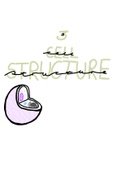
sele
screnaeume
-
oa
, + Animals Animals
Plant plant
Cell
Ultrastructure
↳ under an
electron microscope
Features common to plant and animal cells
1.
Cell membrane (plasma membrane) (Chapter 4)
Function to act as a boundary and to protect cell contents. To control
movement of substances in and out of the cell. Membrane is elastic therefore
cell can change shape in animals.
Structure - based on the fluid-mosaic model which suggests protein
molecules suspended bilayer of phospholipid. Water-soluble molecules
in
the membrane. Fat-soluble
pass through protein-lined pores (aquaporins) in
molecules pass through by dissolving in the phospholipids. Large molecules
in the form of
are moved across using carrier proteins which requires energy
ATP. antigens aquaporin soluable
t
-lets water
substances through.
glycoprotein
I carbohydrate protein)
+
S
hydrophobic & 2
Phospholipid bilayer
Ig
interior
s
-
pp1b
-
a
phospholipid protein-could be carrier protein
hydrophobics 33moleculerelic
a
cholesterol carrying out active transport.
Label the diagram to show phospholipid bilayer, phospholipid, aquaporin,
protein and glycoprotein.
2. Nucleus
Function - contains chromosomes, made of DNA, which carries a code about
making proteins (= protein synthesis) and how the cell develops.
Structure - The largest organelle. Has a double membrane (a nuclear
envelope) around the outside. Pores in the envelop allow movement of
molecules out into the cytoplasm (e.g. mRNA). Inside is nucleoplasm with one
or two nucleoli (where RNA is made). Dense staining material in the nucleus
is called chromatin (made of DNA and protein) chromosomes are only visible
when the cell is about to divide. (mitosis/meiosis)
chromati
]
Nuclear envelope
Nuclear pore
Nucleus
f
Nucleolus
Nucleoplasm
Transmittion electron
microscope
Label the nucleus, nucleolus, nuclear envelope, nuclear pore and
nucleoplasm.
sele
screnaeume
-
oa
, + Animals Animals
Plant plant
Cell
Ultrastructure
↳ under an
electron microscope
Features common to plant and animal cells
1.
Cell membrane (plasma membrane) (Chapter 4)
Function to act as a boundary and to protect cell contents. To control
movement of substances in and out of the cell. Membrane is elastic therefore
cell can change shape in animals.
Structure - based on the fluid-mosaic model which suggests protein
molecules suspended bilayer of phospholipid. Water-soluble molecules
in
the membrane. Fat-soluble
pass through protein-lined pores (aquaporins) in
molecules pass through by dissolving in the phospholipids. Large molecules
in the form of
are moved across using carrier proteins which requires energy
ATP. antigens aquaporin soluable
t
-lets water
substances through.
glycoprotein
I carbohydrate protein)
+
S
hydrophobic & 2
Phospholipid bilayer
Ig
interior
s
-
pp1b
-
a
phospholipid protein-could be carrier protein
hydrophobics 33moleculerelic
a
cholesterol carrying out active transport.
Label the diagram to show phospholipid bilayer, phospholipid, aquaporin,
protein and glycoprotein.
2. Nucleus
Function - contains chromosomes, made of DNA, which carries a code about
making proteins (= protein synthesis) and how the cell develops.
Structure - The largest organelle. Has a double membrane (a nuclear
envelope) around the outside. Pores in the envelop allow movement of
molecules out into the cytoplasm (e.g. mRNA). Inside is nucleoplasm with one
or two nucleoli (where RNA is made). Dense staining material in the nucleus
is called chromatin (made of DNA and protein) chromosomes are only visible
when the cell is about to divide. (mitosis/meiosis)
chromati
]
Nuclear envelope
Nuclear pore
Nucleus
f
Nucleolus
Nucleoplasm
Transmittion electron
microscope
Label the nucleus, nucleolus, nuclear envelope, nuclear pore and
nucleoplasm.