INTRODUCTION TO PARASITOLOGY
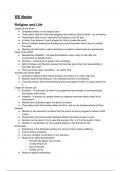
Parasitology - is the study of parasitic organisms, the protozoa and worms (helminths).
- branch of biology that is concerned with the study of living organisms that take up their
abode on or within another living organism.
Parasite - the living organism that depends on another living organism for nourishment and
survival.
Host - defined as the organism which harbors the parasite, provides nourishment and shelter to
the latter, and is relatively larger than the parasite.
Ectoparasite - A parasite that inhabits only the body surface, such as the skin or hair.
Endoparasite - A parasite which lives within the body of the host
Infestation - often employed for parasitization with ectoparasites.
Infection - invasion of a parasite within the body of the host, such as in the GIT, in the tissues,
or intracellularly
Parasitosis - Both infection and infestation.
PROTOZOANS - Kingdom Protista (unicellular, eukaryotic organism)
- consist of 4 phyla
1. Phylum SARCOMASTIGOPHORA
● Subphylum SARCODINA - Amoeba; Pseudopods (false feet)
● Subphylum MASTIGOPHORA - Flagellates; Flagella (long thin whip like used in moving)
2. Phylum CILIOPHORA- Ciliates; Cilia (Hair like extension found within the entire body
- Ex. Balantidium coli
3. Phylum APICOMPLEXA - No locomotory apparatus
- Apical Complex: serves as an attachment organ to hold cells
4. Phylum MICROSPORA - Microsporidia; small intracellular protozoans (spores)
HELMINTHS - Multicellular
1. Phylum Platyhelminthes (Flatworm)
● Class Cestoda
- Cestode; Tapeworm
- Ribbon-like
Parasitology - is the study of parasitic organisms, the protozoa and worms (helminths).
- branch of biology that is concerned with the study of living organisms that take up their
abode on or within another living organism.
Parasite - the living organism that depends on another living organism for nourishment and
survival.
Host - defined as the organism which harbors the parasite, provides nourishment and shelter to
the latter, and is relatively larger than the parasite.
Ectoparasite - A parasite that inhabits only the body surface, such as the skin or hair.
Endoparasite - A parasite which lives within the body of the host
Infestation - often employed for parasitization with ectoparasites.
Infection - invasion of a parasite within the body of the host, such as in the GIT, in the tissues,
or intracellularly
Parasitosis - Both infection and infestation.
PROTOZOANS - Kingdom Protista (unicellular, eukaryotic organism)
- consist of 4 phyla
1. Phylum SARCOMASTIGOPHORA
● Subphylum SARCODINA - Amoeba; Pseudopods (false feet)
● Subphylum MASTIGOPHORA - Flagellates; Flagella (long thin whip like used in moving)
2. Phylum CILIOPHORA- Ciliates; Cilia (Hair like extension found within the entire body
- Ex. Balantidium coli
3. Phylum APICOMPLEXA - No locomotory apparatus
- Apical Complex: serves as an attachment organ to hold cells
4. Phylum MICROSPORA - Microsporidia; small intracellular protozoans (spores)
HELMINTHS - Multicellular
1. Phylum Platyhelminthes (Flatworm)
● Class Cestoda
- Cestode; Tapeworm
- Ribbon-like