Course Material 2.7 Sequences Defined Recursively
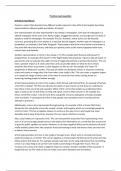
Here we discuss the convergence of some sequences whose 𝑛𝑡ℎ term is defined in terms
of some of its previous terms
1. Show that the sequence {𝑥𝑛 }, defined by
𝑥𝑛−1 +𝑥𝑛−2
𝑥1 = 𝑎 and 𝑥2 = 𝑏 and 𝑥𝑛 = for 𝑛 > 2
2
is convergent where 𝑎 and 𝑏 are two given real numbers
It is enough to show that {𝑥𝑛 } is Cauchy.
𝑥𝑛−1 +𝑥𝑛−2 𝑥𝑛−2 −𝑥𝑛−1 𝑥𝑛−1 −𝑥𝑛−2
Consider |𝑥𝑛 − 𝑥𝑛−1 | = | − 𝑥𝑛−1 | = | |=| |
2 2 2
𝑥𝑛−1 −𝑥𝑛−2
Hence |𝑥𝑛 − 𝑥𝑛−1 | = | |
2
𝑥𝑛−2 −𝑥𝑛−3
Applying this once again, we get |𝑥𝑛−1 − 𝑥𝑛−2 | = | |
2
𝑥𝑛−2 −𝑥𝑛−3
So that |𝑥𝑛 − 𝑥𝑛−1 | = | |
22
Proceeding inductively, we get
𝑥𝑛−2 − 𝑥𝑛−3
|𝑥𝑛 − 𝑥𝑛−1 | = | |
22
𝑥𝑛−3 −𝑥𝑛−4
=| |
23
…………………………………………
………………………………………...
𝑥 −𝑥 𝑏−𝑎
= | 22𝑛−21 | = |2𝑛−2 |
Then if 𝑛 > 𝑚 we get
|𝑥𝑛 − 𝑥𝑚 | ≤ |𝑥𝑛 − 𝑥𝑛−1 | + |𝑥𝑛−1 − 𝑥𝑛−2 | + ⋯ … + |𝑥𝑚+1 − 𝑥𝑚 |
𝑏−𝑎 𝑏−𝑎 𝑏−𝑎
≤| | + | | + ⋯ … . . + | |
2𝑛−2 2𝑛−3 2𝑚−1
1 1 1
= |𝑏 − 𝑎| [ 𝑛−2 + 𝑛−3 + ⋯ … … + 𝑚−1 ]
2 2 2
|𝑏 − 𝑎| 1 1 1
= 𝑚−1 [1 + + 2 + ⋯ . + 𝑛−𝑚−1 ]
2 2 2 2
1
|𝑏 − 𝑎| (1 − 2𝑛−𝑚 )
= 𝑚−1 .
2 1
(1 − 2)
|𝑏 − 𝑎 | |𝑏 − 𝑎 |
≤ 𝑚−1 . 2 = 𝑚−2 → 0
2 2
This shows that {𝑥𝑛 } is a Cauchy sequence and hence is convergent.
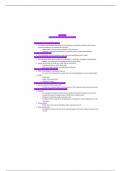
Here we discuss the convergence of some sequences whose 𝑛𝑡ℎ term is defined in terms
of some of its previous terms
1. Show that the sequence {𝑥𝑛 }, defined by
𝑥𝑛−1 +𝑥𝑛−2
𝑥1 = 𝑎 and 𝑥2 = 𝑏 and 𝑥𝑛 = for 𝑛 > 2
2
is convergent where 𝑎 and 𝑏 are two given real numbers
It is enough to show that {𝑥𝑛 } is Cauchy.
𝑥𝑛−1 +𝑥𝑛−2 𝑥𝑛−2 −𝑥𝑛−1 𝑥𝑛−1 −𝑥𝑛−2
Consider |𝑥𝑛 − 𝑥𝑛−1 | = | − 𝑥𝑛−1 | = | |=| |
2 2 2
𝑥𝑛−1 −𝑥𝑛−2
Hence |𝑥𝑛 − 𝑥𝑛−1 | = | |
2
𝑥𝑛−2 −𝑥𝑛−3
Applying this once again, we get |𝑥𝑛−1 − 𝑥𝑛−2 | = | |
2
𝑥𝑛−2 −𝑥𝑛−3
So that |𝑥𝑛 − 𝑥𝑛−1 | = | |
22
Proceeding inductively, we get
𝑥𝑛−2 − 𝑥𝑛−3
|𝑥𝑛 − 𝑥𝑛−1 | = | |
22
𝑥𝑛−3 −𝑥𝑛−4
=| |
23
…………………………………………
………………………………………...
𝑥 −𝑥 𝑏−𝑎
= | 22𝑛−21 | = |2𝑛−2 |
Then if 𝑛 > 𝑚 we get
|𝑥𝑛 − 𝑥𝑚 | ≤ |𝑥𝑛 − 𝑥𝑛−1 | + |𝑥𝑛−1 − 𝑥𝑛−2 | + ⋯ … + |𝑥𝑚+1 − 𝑥𝑚 |
𝑏−𝑎 𝑏−𝑎 𝑏−𝑎
≤| | + | | + ⋯ … . . + | |
2𝑛−2 2𝑛−3 2𝑚−1
1 1 1
= |𝑏 − 𝑎| [ 𝑛−2 + 𝑛−3 + ⋯ … … + 𝑚−1 ]
2 2 2
|𝑏 − 𝑎| 1 1 1
= 𝑚−1 [1 + + 2 + ⋯ . + 𝑛−𝑚−1 ]
2 2 2 2
1
|𝑏 − 𝑎| (1 − 2𝑛−𝑚 )
= 𝑚−1 .
2 1
(1 − 2)
|𝑏 − 𝑎 | |𝑏 − 𝑎 |
≤ 𝑚−1 . 2 = 𝑚−2 → 0
2 2
This shows that {𝑥𝑛 } is a Cauchy sequence and hence is convergent.