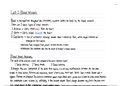
TNCC Written Exam
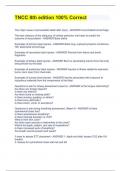
TNCC Written Exam TNCC Notes for Written Exam, TNCC Prep, TNCC test prepA 415 Questions with 100% Correct Answers What are the late signs of breathing compromise? - Answer--- Tracheal deviation - JVD What are signs of ineffective breathing? - Answer--- AMS - Cyanosis, especially around the mouth - Asymmetric expansion of chest wall - Paradoxical movement of the chest wall during inspiration and expiration - Use of accessory muscles or abdominal muscles or both or diaphragmatic breathing - Sucking chest wounds - Absent or diminished breath sounds - Administer O2 via NRB or assist ventilations with a bag-mask device, as indicated - Anticipate definitive airway management to support ventilation. Upon initial assessment, what type of oxygen should be used for a pt breathing effectively? - Answer--A tight-fitting nonrebreather mask at 12-15 lpm. What intervention should be done if a pt presents with effective circulation? - Answer--- Insert 2 large caliber IV's - Administer warmed isotonic crystalloid solution at an appropriate rate What are signs of ineffective circulation? - Answer--- Tachycardia - AMS - Uncontrolled external bleeding - Pale, cool, moist skin - Distended or abnormally flattened external jugular veins - Distant heart sounds What are the interventions for Effective/Ineffective Circulation? - Answer--- Control any uncontrolled external bleeding by: - Applying direct pressure over bleeding site - Elevating bleeding extremity - Applying pressure over arterial pressure points - Using tourniquet (last resort). - Cannulate 2 large-caliber IV's and initiate infusions of an isotonic crystalloid solution - Use warmed solution - Use pressure bags to increase speed of IVF infusion - Use blood administration tubing for possible administration of blood - Use rapid infusion device based on protocol - Use NS 0.9% in same tubing as blood product - IV = surgical cut-down, central line, or both. - Blood sample to determine ABO and Rh group - IO in sternum, legs, arms or pelvis - Administer blood products - PASG (without interfering with fluid resuscitation) What are factors that contribute to ineffective ventilation? - Answer--- AMS - LOC - Neurologic injury - Spinal Cord Injury - Intracranial Injury - Blunt trauma - Pain caused by rib fractures - Penetrating Trauma - Preexisting hx of respiratory diseases - Increased age What medications are used during intubation? - Answer--LOAD Mnemonic: L = Lidocaine O = Opioids A = Atropine D = Defasiculating agents
Written for
- Institution
- TNCC-Trauma Nursing Core Course
- Course
- TNCC-Trauma Nursing Core Course
Document information
- Uploaded on
- September 26, 2022
- Number of pages
- 23
- Written in
- 2022/2023
- Type
- Exam (elaborations)
- Contains
- Questions & answers
Subjects
- tncc prep
-
tncc written exam tncc notes for written exam
-
tncc test prepa 415 questions with 100 correct answers
-
what are the late signs of breathing compromise answer tracheal deviation jv

Also available in package deal