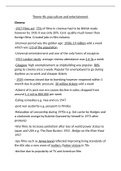
Theme 4b: pop culture and entertainment
Cinema
-1927 Films act: 75% of films in cinemas had to be British made
however by 1935 it was only 20%. Cost- quality much lower than
foreign films. Created jobs in film industry
-Interwar period was the golden age; 1930s 19 million sold a week
which was 1/3 of the population
-Universal entertainment and one of the only forms of escapism
-1931 London study: average cinema attendance was 2.6-3x a week
-Glasgow: high unemployment as shipbuilding was popular- 80%
going to cinema once a week. Popular for unemployed to go during
daytime as no work and cheaper tickets
- 1939 cinemas closed due to bombing however reopened within 1
month due to public pressure. 30 million tickets sold a week
-Advent of tv post war era causes decline in sales; dropped from
around 1.4 mil to 800,000 per week
-Ealing comedies e.g. Hue and cry 1947
-post war austerity e.g. passport to Pimlico
-Relaxation of censorship during 1970s e.g. Get carter by Hodges and
a clockwork orange by Kubrick (banned by himself in 1973 after
protests)
-War films to increase patriotism after loss of world power status to
Japan and USA e.g. The Dam Busters 1955 , Bridge on the River Kwai
1957
-Spy films such as James bond reflected improving living standards of
the 60s also a new wave of realism. Darker visions in 70s
-decline due to popularity of TV and American film
, Music
- Jazz and swing from USA e.g. Duke Ellington. By 1930 there were
over 20,000 dance bands in Britain. American artists came during
ww2
-famous singers songs were enjoyed by people who missed their
loved ones during ww1 e.g keep the house fire burning
-1950s rock influence from US e.g. Elvis Presley
-1960s British rock became world famous e.g Beatlemania and the
Kinks
-Reggae from Trinidad and Jamaica. First no1 hit was The Israelites by
Desmond Decker
-Roots reggae linked to Rastafarianism and reflected widespread
anger among black Caribbean immigrants in Brixton and other parts
against racism from National Front
-Darcus Howe, founder of Race Today collective helped direct a
documentary on reggae.
-Ska more aggressive variant of reggae and influence punk rock,
adopted by black and white musicians. E.g. The Specials
- Punk was a subculture but was quite niche labeled by some
newspapers as ‘music of the doll queue’ articulated anger for poor
living standards but quite niche and not as widely listened to as pop
-Most popular artist of 70s was Elton John with 16 top 50 albums,
Queen sold 19 million records in Britain in 2 years (1975-77)
-Glam rock; expression and challenge of gender identity e.g. David
Bowie androgynous, sexuality. Shocked older generations and
fascinated younger.
Cinema
-1927 Films act: 75% of films in cinemas had to be British made
however by 1935 it was only 20%. Cost- quality much lower than
foreign films. Created jobs in film industry
-Interwar period was the golden age; 1930s 19 million sold a week
which was 1/3 of the population
-Universal entertainment and one of the only forms of escapism
-1931 London study: average cinema attendance was 2.6-3x a week
-Glasgow: high unemployment as shipbuilding was popular- 80%
going to cinema once a week. Popular for unemployed to go during
daytime as no work and cheaper tickets
- 1939 cinemas closed due to bombing however reopened within 1
month due to public pressure. 30 million tickets sold a week
-Advent of tv post war era causes decline in sales; dropped from
around 1.4 mil to 800,000 per week
-Ealing comedies e.g. Hue and cry 1947
-post war austerity e.g. passport to Pimlico
-Relaxation of censorship during 1970s e.g. Get carter by Hodges and
a clockwork orange by Kubrick (banned by himself in 1973 after
protests)
-War films to increase patriotism after loss of world power status to
Japan and USA e.g. The Dam Busters 1955 , Bridge on the River Kwai
1957
-Spy films such as James bond reflected improving living standards of
the 60s also a new wave of realism. Darker visions in 70s
-decline due to popularity of TV and American film
, Music
- Jazz and swing from USA e.g. Duke Ellington. By 1930 there were
over 20,000 dance bands in Britain. American artists came during
ww2
-famous singers songs were enjoyed by people who missed their
loved ones during ww1 e.g keep the house fire burning
-1950s rock influence from US e.g. Elvis Presley
-1960s British rock became world famous e.g Beatlemania and the
Kinks
-Reggae from Trinidad and Jamaica. First no1 hit was The Israelites by
Desmond Decker
-Roots reggae linked to Rastafarianism and reflected widespread
anger among black Caribbean immigrants in Brixton and other parts
against racism from National Front
-Darcus Howe, founder of Race Today collective helped direct a
documentary on reggae.
-Ska more aggressive variant of reggae and influence punk rock,
adopted by black and white musicians. E.g. The Specials
- Punk was a subculture but was quite niche labeled by some
newspapers as ‘music of the doll queue’ articulated anger for poor
living standards but quite niche and not as widely listened to as pop
-Most popular artist of 70s was Elton John with 16 top 50 albums,
Queen sold 19 million records in Britain in 2 years (1975-77)
-Glam rock; expression and challenge of gender identity e.g. David
Bowie androgynous, sexuality. Shocked older generations and
fascinated younger.