3. b. ↳ 1 .
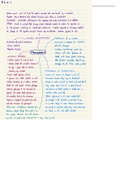
Optimum point : point at which the
system operates best maintained by a receptor
Receptor : detects deviation from optimum (stimulus and informs a coordinator
Coordinator : coordinates information from receptors and sends information to an effector
Effector muscle gland that about changes needed to return system to
brings the
:
or
to the optimum creating a feedback mechanism :
receptor responds to stimulus created
be change to the
system brought about by as effector -
restores system to opb
↑
= CONTROL
MECHANISMS Maintenance of an internal
,
( (
coordination of control mechanisms environment in response to internal or
-
Positive feedback external charges .
-
Negative feedback Involves maintaining make-up ,
/ Homeostasis volume and other features A
\
w w.awa.wm .wa.Ja. eau.am.a .am
NEGATIVE FEEDBACK blood and tissue fluid ensuring
• restores system to original level tellsfunction normally despite any
◦
stimulus causes the corrective measures to
changes to pH temp water potential,
.
,
him off ÷
system returns to optimum
preventing any overshoot IMPORTANCE OF HOMEOSTASIS
Example :-. blood glucose control ◦
enzymes are sensitive to changes in ph and
If
glucose cone .
falls receptors on all temperature because they may
be denatured
surface membrane of a -
cells in pancreas ◦
changes to water potential of blood and tissue fluid
,
causing glycogen to be converted to maintenance of blood glucose is needed for a
glucose this raises blood glucose cone .
constant water potential
this circulates back to the pancreas ◦
allows
organisms to be more independent
leading to reduced stimulation of a- cells of charges in the external environment to swv
and less secretion of glucagon in wide extreme environments
a
range or more
POSITIVE FEEDBACK : deviation from e.
g. ability to maintain body temp . means mammals
,
optimum causes change that results in on are Round in hot and cold habitats
ever
greater deviation from the optimum
g. action
e. potential small influx of Nat → large influx of Nat
Optimum point : point at which the
system operates best maintained by a receptor
Receptor : detects deviation from optimum (stimulus and informs a coordinator
Coordinator : coordinates information from receptors and sends information to an effector
Effector muscle gland that about changes needed to return system to
brings the
:
or
to the optimum creating a feedback mechanism :
receptor responds to stimulus created
be change to the
system brought about by as effector -
restores system to opb
↑
= CONTROL
MECHANISMS Maintenance of an internal
,
( (
coordination of control mechanisms environment in response to internal or
-
Positive feedback external charges .
-
Negative feedback Involves maintaining make-up ,
/ Homeostasis volume and other features A
\
w w.awa.wm .wa.Ja. eau.am.a .am
NEGATIVE FEEDBACK blood and tissue fluid ensuring
• restores system to original level tellsfunction normally despite any
◦
stimulus causes the corrective measures to
changes to pH temp water potential,
.
,
him off ÷
system returns to optimum
preventing any overshoot IMPORTANCE OF HOMEOSTASIS
Example :-. blood glucose control ◦
enzymes are sensitive to changes in ph and
If
glucose cone .
falls receptors on all temperature because they may
be denatured
surface membrane of a -
cells in pancreas ◦
changes to water potential of blood and tissue fluid
,
causing glycogen to be converted to maintenance of blood glucose is needed for a
glucose this raises blood glucose cone .
constant water potential
this circulates back to the pancreas ◦
allows
organisms to be more independent
leading to reduced stimulation of a- cells of charges in the external environment to swv
and less secretion of glucagon in wide extreme environments
a
range or more
POSITIVE FEEDBACK : deviation from e.
g. ability to maintain body temp . means mammals
,
optimum causes change that results in on are Round in hot and cold habitats
ever
greater deviation from the optimum
g. action
e. potential small influx of Nat → large influx of Nat