USA Migration Case Study
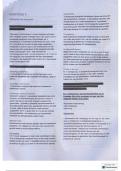
‘Case study of one AC to show how it influences and drives change in the global migration
system. Illustrate economic, political and social factors which explain:
• patterns of emigration and immigration, migration policies, and
interdependence with countries linked to it by migration
• opportunities, such as labour supply
• challenges, such as border issues.
REMITTANCES
USA -> Mexico: $30bn Mexico -> USA: $1.8bn USA -> China: $16bn
China -> USA: $150mil USA -> India: $12bn India -> USA: $6mil
USA -> Nigeria: $7bn Nigeria -> USA: Unknown
Historically…
Pre 1928: Open 1924: Strict (‘whites only’) 1965: Open (caps expanded)
90s-00s: Stricter (barriers and fences built) 2014: More Open (immigration reform)
2017: Stricter (‘Muslim travel ban’) 2021: More Open (Travel ban scrapped)
Current policy: 480,000 reunification visas, up to 140,000 employment/skills visas per year,
85,000 refugees and 55,000 diversity visas
Immigration to the USA:
Challenges Opportunities
Barriers such as traffic checkpoints, 0.03% of GDP is due to undocumented
transportation checks and drones migrants
Poor perception of immigrants in the US Diasporas such as ‘East LA’ is 97% Latino
Border management costs $4.7bn Migrants can do ‘undesirable’ jobs
(increased ten-fold in 30 years)
Mexican immigrants are more likely (67%) Mexicans participate in the labour force
to be less proficient in English compared to more so than native and foreign populations
other foreign born immigrants (48%) MX: 69%, Immigrants: 66% US: 62%. MX
mostly in construction/services
Mexican households are more likely to be in Interdependence as the US and Mexico
poverty (21%) both benefit, earning money/getting workers
Concentrations of community can lead to Mexicans act as consumers and may start
stress on resources businesses
Latinos have the lowest voter turn-out of Diversity and culture such as the Day of the
any group in the US Dead Festival
‘Case study of one AC to show how it influences and drives change in the global migration
system. Illustrate economic, political and social factors which explain:
• patterns of emigration and immigration, migration policies, and
interdependence with countries linked to it by migration
• opportunities, such as labour supply
• challenges, such as border issues.
REMITTANCES
USA -> Mexico: $30bn Mexico -> USA: $1.8bn USA -> China: $16bn
China -> USA: $150mil USA -> India: $12bn India -> USA: $6mil
USA -> Nigeria: $7bn Nigeria -> USA: Unknown
Historically…
Pre 1928: Open 1924: Strict (‘whites only’) 1965: Open (caps expanded)
90s-00s: Stricter (barriers and fences built) 2014: More Open (immigration reform)
2017: Stricter (‘Muslim travel ban’) 2021: More Open (Travel ban scrapped)
Current policy: 480,000 reunification visas, up to 140,000 employment/skills visas per year,
85,000 refugees and 55,000 diversity visas
Immigration to the USA:
Challenges Opportunities
Barriers such as traffic checkpoints, 0.03% of GDP is due to undocumented
transportation checks and drones migrants
Poor perception of immigrants in the US Diasporas such as ‘East LA’ is 97% Latino
Border management costs $4.7bn Migrants can do ‘undesirable’ jobs
(increased ten-fold in 30 years)
Mexican immigrants are more likely (67%) Mexicans participate in the labour force
to be less proficient in English compared to more so than native and foreign populations
other foreign born immigrants (48%) MX: 69%, Immigrants: 66% US: 62%. MX
mostly in construction/services
Mexican households are more likely to be in Interdependence as the US and Mexico
poverty (21%) both benefit, earning money/getting workers
Concentrations of community can lead to Mexicans act as consumers and may start
stress on resources businesses
Latinos have the lowest voter turn-out of Diversity and culture such as the Day of the
any group in the US Dead Festival