A.C 1.4 - Paragraph
A.C 1.4: Examine the rights of individuals of criminal investigations (6)
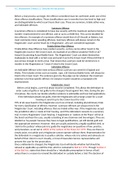
Rights of a suspect
Police officers are permitted to arrest a person without a warrant if they have a 'reasonable suspicion' that the
person is committing, about to commit or has already committed an offence under S24 Police and Criminal
Evidence Act 1984 (Code G 2012 PACE), as amended by S110 Serious Organised Crime and Police Act 2005.
In arresting a suspect, the arresting officer must notify the arrestee of the grounds for arrest and declare that he
has the right to remain silent. This right can be found under the Public Order Act 1994, stating ‘You do not have
to say anything, but it may harm your defence if you do not mention something when questioned that you later
rely on in court. Anything you do say may be given in evidence.’ The threshold test for a lawful arrest must also
be established in that it must be reasonable suspicion, and that this requires a higher standard of proof.
On arrival at the police station, a suspect is transferred over to the custody officer who will inform the arrestee of
their rights under PACE whilst they remain in custody. For example, the arrestee has a right to have someone
informed of their arrest under S56 PACE, meaning they have a right not to be held incommunicado. Often these
phone calls can be to other family members, or a solicitor. As per S58 PACE, the detainee has the right to
consult privately with a solicitor, likely the Defence Solicitor Call Centre, who give 24-hour legal advice when you
are detained in custody. Whilst detained, the suspect will be regularly consulted under the 8 PACE codes of
practice, for example, Code of practice C covers the treatment of a detainee whilst at custody. A police force
station also requires suspects to provide samples upon arrival, including photos, fingerprints, and a DNA
(Deoxyribonucleic acid) sample from their mouth. Blood and urine require the authority of a senior officer and the
permission of the suspect. Under Protection of Freedoms Act 2012, a suspect’s sample must be removed from
the database (UK DNAD) after 6 months, unless the sample is needed at trial.
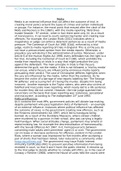
When the suspect has been informed of their rights under PACE, the police will then conduct an interview whilst
the suspect is still in custody. Starting the interview process, the suspect must be reminded of their continuing
right to silence. PACE code E allows the interviews to be tape recorded, as a ‘legal safeguard for the conduct of
police interviews and the rights of detainees.’ A suspect may also request a solicitor to be present; an
appropriate adult called in support for the detainee, as seen in the case of Fred West. An appropriate adult
according to www.appropriateadult.org.uk are there to safeguard the interests, rights, entitlements and welfare of
children and vulnerable people who are suspects of a criminal offence, by ensuring that they are treated in a fair
and just manner and can participate effectively. This was evident in the Fred West case, as his appropriate adult,
Janet Leach had to be present when all his crimes were being described, due West’s inability to read or write.
Because of the right to silence, suspects often respond to interview questions with 'no comment', however, this
does not infer guilt and the judge will invite the jury to draw adverse inferences if the defendant mentions in court,
matters that could have been mentioned in the police interview.
Typically, a suspect will be held in custody for 24 hours, meaning the police must either release them or charge
them with an offence. Although for indictable offences, a person can be held up for 36 hours with the
authorisation from a senior police officer; 96 hours with approval of a magistrate. If a suspect has been accused
of terrorist activity, under the Terrorism Act 2000, they can be held in custody for up to 14 days.
If the suspect was to be released, they will be given a bail charge or otherwise known as ‘police bail.’ Pre-charge
bail means that the suspect will be temporarily released pending further enquires, as there may not be enough
evidence to charge, as per Part 4 of Police and Criminal Evidence Act 1984. Police may implement conditions
when bailing a suspect, for example a curfew – this is called condition bail. This happens when police feel that a
suspect may commit a further offence, obstruct the court of justice, or fail to appear at court.
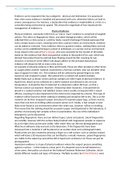
Rights of appeal against a conviction or a sentence is dependent on what court heard the suspects case. For
instance, if the suspect committed a summary offence, they would have their case heard in the magistrates’
court, same with triable-either way offences. However, if the magistrates court feel that they are too inadequate
to deal with a triable-either way offence, they can send it up to the crown court, where indictable offences are
always tried. An appeal from the crown court, goes straight up to the court of appeal (criminal division) for a
review of the grounds of appeal, either referring to an unsafe conviction or the sentence given that was
inconsistent with sentencing guidelines.
Rights of a Witness
Rights of witnesses are in the Witness charter, which contains the codes for England and Wales that set out the
standards of care that a witness can expect from agencies in the criminal justice system.
Assets.publishing.service.gov.uk (The Witness Charter), sets out the charter that covers bother prosecution and
defence witnesses, outlining the standards of care for witnesses in a police investigation. For instance, in a case
where a witness is reporting a crime, the police and witness should be both able to divulge their information
A.C 1.4: Examine the rights of individuals of criminal investigations (6)
Rights of a suspect
Police officers are permitted to arrest a person without a warrant if they have a 'reasonable suspicion' that the
person is committing, about to commit or has already committed an offence under S24 Police and Criminal
Evidence Act 1984 (Code G 2012 PACE), as amended by S110 Serious Organised Crime and Police Act 2005.
In arresting a suspect, the arresting officer must notify the arrestee of the grounds for arrest and declare that he
has the right to remain silent. This right can be found under the Public Order Act 1994, stating ‘You do not have
to say anything, but it may harm your defence if you do not mention something when questioned that you later
rely on in court. Anything you do say may be given in evidence.’ The threshold test for a lawful arrest must also
be established in that it must be reasonable suspicion, and that this requires a higher standard of proof.
On arrival at the police station, a suspect is transferred over to the custody officer who will inform the arrestee of
their rights under PACE whilst they remain in custody. For example, the arrestee has a right to have someone
informed of their arrest under S56 PACE, meaning they have a right not to be held incommunicado. Often these
phone calls can be to other family members, or a solicitor. As per S58 PACE, the detainee has the right to
consult privately with a solicitor, likely the Defence Solicitor Call Centre, who give 24-hour legal advice when you
are detained in custody. Whilst detained, the suspect will be regularly consulted under the 8 PACE codes of
practice, for example, Code of practice C covers the treatment of a detainee whilst at custody. A police force
station also requires suspects to provide samples upon arrival, including photos, fingerprints, and a DNA
(Deoxyribonucleic acid) sample from their mouth. Blood and urine require the authority of a senior officer and the
permission of the suspect. Under Protection of Freedoms Act 2012, a suspect’s sample must be removed from
the database (UK DNAD) after 6 months, unless the sample is needed at trial.
When the suspect has been informed of their rights under PACE, the police will then conduct an interview whilst
the suspect is still in custody. Starting the interview process, the suspect must be reminded of their continuing
right to silence. PACE code E allows the interviews to be tape recorded, as a ‘legal safeguard for the conduct of
police interviews and the rights of detainees.’ A suspect may also request a solicitor to be present; an
appropriate adult called in support for the detainee, as seen in the case of Fred West. An appropriate adult
according to www.appropriateadult.org.uk are there to safeguard the interests, rights, entitlements and welfare of
children and vulnerable people who are suspects of a criminal offence, by ensuring that they are treated in a fair
and just manner and can participate effectively. This was evident in the Fred West case, as his appropriate adult,
Janet Leach had to be present when all his crimes were being described, due West’s inability to read or write.
Because of the right to silence, suspects often respond to interview questions with 'no comment', however, this
does not infer guilt and the judge will invite the jury to draw adverse inferences if the defendant mentions in court,
matters that could have been mentioned in the police interview.
Typically, a suspect will be held in custody for 24 hours, meaning the police must either release them or charge
them with an offence. Although for indictable offences, a person can be held up for 36 hours with the
authorisation from a senior police officer; 96 hours with approval of a magistrate. If a suspect has been accused
of terrorist activity, under the Terrorism Act 2000, they can be held in custody for up to 14 days.
If the suspect was to be released, they will be given a bail charge or otherwise known as ‘police bail.’ Pre-charge
bail means that the suspect will be temporarily released pending further enquires, as there may not be enough
evidence to charge, as per Part 4 of Police and Criminal Evidence Act 1984. Police may implement conditions
when bailing a suspect, for example a curfew – this is called condition bail. This happens when police feel that a
suspect may commit a further offence, obstruct the court of justice, or fail to appear at court.
Rights of appeal against a conviction or a sentence is dependent on what court heard the suspects case. For
instance, if the suspect committed a summary offence, they would have their case heard in the magistrates’
court, same with triable-either way offences. However, if the magistrates court feel that they are too inadequate
to deal with a triable-either way offence, they can send it up to the crown court, where indictable offences are
always tried. An appeal from the crown court, goes straight up to the court of appeal (criminal division) for a
review of the grounds of appeal, either referring to an unsafe conviction or the sentence given that was
inconsistent with sentencing guidelines.
Rights of a Witness
Rights of witnesses are in the Witness charter, which contains the codes for England and Wales that set out the
standards of care that a witness can expect from agencies in the criminal justice system.
Assets.publishing.service.gov.uk (The Witness Charter), sets out the charter that covers bother prosecution and
defence witnesses, outlining the standards of care for witnesses in a police investigation. For instance, in a case
where a witness is reporting a crime, the police and witness should be both able to divulge their information