CLIP
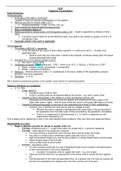
Trademark Consolidation
Exam Structures
TM Registrability
1. Is the sign a TM under s.1/s.3(1)(a)?
“capable of clear and precise representation on the register”
2. Absolute grounds for refusal under s.3(1)?
a. Analyse backwards – s.3(d) + (c) first, then (b)
3. Then consider the acquired distinctiveness proviso
4. Give a conclusion about s.3
5. Relative grounds for refusal under s.5?/infringement under s.10? – raised in opposition by holders of other
rights
a. If not given search report for similar/identical marks, say need to see register to assess s.5 and s.10
infringement risks
6. Conclude overall if the mark is registrable
TM Infringement
1. TM validity (s.40(3)/42) + ownership
a. Is the TM valid and who owns it? [has it been expired?] → s.40(3) and s.42(1) – 10 years from
application date
i. Good to show that you know when it needs to be renewed, so discuss always [give the actual
renewal date/application date]
2. Infringing Act, s.10(4) without consent (s.9(1))
a. Act + fact + cite (s.10(4))
3. Comparison of goods (Canon global test - CITE) – which of ss.10(1), s.10(2)(a), s.10(2)(b) or s.10(3)?
a. Marks: compare visually, phonetically + conceptually
b. Goods – use/users/competitors
4. Defences – statutory defences under s.11, weaknesses in the case, validity of TM (registrability analysis -
shouldn’t have been registered)
5. Remedies – s.14-16
NB: if asked a commercial question in this context, exam wants 2-3 commercial points.
-------------------------------------------------------------------------------------------------------------------------------------------------------------
Statutory definition of a trademark
• S.1(1) TMA:
o A sign, which is:
▪ Usually an easy hurdle to clear.
▪ A sign is anything that can be apprehended by the senses – e.g. seen, heard, smelt.
o Capable of being represented on the register in a clear and precise manner; and
▪ Necessary so third parties can consult the register and undertand the exact scope of the
trade mark owner’s rights – need to know where the owner’s monopoly right begins and ends.
o Capable of distinguishing goods or services of one undertaking from those of other undertakings.
▪ Question here is whether the mark can be read as a badge of origin.
• Whether the mark is capable of distinguishing the trade origin of the g/s specified in
the application from the trade origin of those provided by the applicant’s competitors.
• There is no requirement of distinctiveness in s.1(1) which is separate from the
requirements imposed by s.3
This is stage one for registering a mark. If the mark satisfies these conditions, then can move onto stage two below.
Registrability of a mark
• Stage 2: absolute grounds for refusal to register under s.3
o S.3(1)(a): compliance with s.1 – a sign which does not comply with s.1 cannot be registered
o S.3(1)(b) – marks devoid of any distinctive character
▪ The more striking or fanciful the mark, the less likely it will fall under this hurdle.
▪ Any colour or simple colour combination prima facie falls foul of s.3(1)(b)
▪ High conventional images (e.g. cow for dairy product) or simple shapes likely to fall at hurdle.
▪ Vague slogans likely to fall at hurdle
▪ Just a number likely to fall at hurdle
o S.3(1)(c) – descriptive marks
▪ If a mark consists exclusively of a sign indicating the type of g/s included in the specification,
or their characteristics it will not be registered.
• Consider if it would be unfair to register the mark – e.g. skin screen
▪ Case law confirms that this is an assessment of the whole mark in exactly the form applies
for.
▪ If all the elements of the mark are descriptive then, as a general rule, the mark as a whole will
be held to be descriptive too. Needs to be more than just the sum of its parts.
Trademark Consolidation
Exam Structures
TM Registrability
1. Is the sign a TM under s.1/s.3(1)(a)?
“capable of clear and precise representation on the register”
2. Absolute grounds for refusal under s.3(1)?
a. Analyse backwards – s.3(d) + (c) first, then (b)
3. Then consider the acquired distinctiveness proviso
4. Give a conclusion about s.3
5. Relative grounds for refusal under s.5?/infringement under s.10? – raised in opposition by holders of other
rights
a. If not given search report for similar/identical marks, say need to see register to assess s.5 and s.10
infringement risks
6. Conclude overall if the mark is registrable
TM Infringement
1. TM validity (s.40(3)/42) + ownership
a. Is the TM valid and who owns it? [has it been expired?] → s.40(3) and s.42(1) – 10 years from
application date
i. Good to show that you know when it needs to be renewed, so discuss always [give the actual
renewal date/application date]
2. Infringing Act, s.10(4) without consent (s.9(1))
a. Act + fact + cite (s.10(4))
3. Comparison of goods (Canon global test - CITE) – which of ss.10(1), s.10(2)(a), s.10(2)(b) or s.10(3)?
a. Marks: compare visually, phonetically + conceptually
b. Goods – use/users/competitors
4. Defences – statutory defences under s.11, weaknesses in the case, validity of TM (registrability analysis -
shouldn’t have been registered)
5. Remedies – s.14-16
NB: if asked a commercial question in this context, exam wants 2-3 commercial points.
-------------------------------------------------------------------------------------------------------------------------------------------------------------
Statutory definition of a trademark
• S.1(1) TMA:
o A sign, which is:
▪ Usually an easy hurdle to clear.
▪ A sign is anything that can be apprehended by the senses – e.g. seen, heard, smelt.
o Capable of being represented on the register in a clear and precise manner; and
▪ Necessary so third parties can consult the register and undertand the exact scope of the
trade mark owner’s rights – need to know where the owner’s monopoly right begins and ends.
o Capable of distinguishing goods or services of one undertaking from those of other undertakings.
▪ Question here is whether the mark can be read as a badge of origin.
• Whether the mark is capable of distinguishing the trade origin of the g/s specified in
the application from the trade origin of those provided by the applicant’s competitors.
• There is no requirement of distinctiveness in s.1(1) which is separate from the
requirements imposed by s.3
This is stage one for registering a mark. If the mark satisfies these conditions, then can move onto stage two below.
Registrability of a mark
• Stage 2: absolute grounds for refusal to register under s.3
o S.3(1)(a): compliance with s.1 – a sign which does not comply with s.1 cannot be registered
o S.3(1)(b) – marks devoid of any distinctive character
▪ The more striking or fanciful the mark, the less likely it will fall under this hurdle.
▪ Any colour or simple colour combination prima facie falls foul of s.3(1)(b)
▪ High conventional images (e.g. cow for dairy product) or simple shapes likely to fall at hurdle.
▪ Vague slogans likely to fall at hurdle
▪ Just a number likely to fall at hurdle
o S.3(1)(c) – descriptive marks
▪ If a mark consists exclusively of a sign indicating the type of g/s included in the specification,
or their characteristics it will not be registered.
• Consider if it would be unfair to register the mark – e.g. skin screen
▪ Case law confirms that this is an assessment of the whole mark in exactly the form applies
for.
▪ If all the elements of the mark are descriptive then, as a general rule, the mark as a whole will
be held to be descriptive too. Needs to be more than just the sum of its parts.