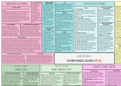
Sexual imprinting - Limited sample Aim
ANIMAL STUDIES OF ATTACHMENT Lorenz also
investigated the
characteristics
The sample size of 60 is
Aimed to investigate the formation
of early attachments. In particular,
SCHAFFER’S STAGES OF ATTACHMENT
good, considering the
relationship the age at which they formed, their
Lorenz’s research depth of data collected. Stages - Problems studying the Attachment is
between emotional intensity and who they asocial stage
Lorenz wanted to study the phenomenon of imprinting in However, the fact that 1) Asocial stage Each individu
imprinting and were directed at. Shaffer and Emerson describe
animals. all the participants emotional se
adult mate The baby is beginning to recognise and form the first few weeks of life as the
His method was to randomly divide a clutch of goose eggs. came from the same From birth, b
preferences. He Method bonds with its carers. However, the baby asocial stage. During this
Half of them hatched with their mother in a natural social class and region pleasurable i
found that birds responds to human and non-human objects in period, babies have poor co-
environment, while half of them hatched in an incubator, over 50 years ago is a The study involved 60 babies, the ready for inte
which imprinted a similar way. ordination and are pretty much
limitation. Child rearing majority being from skilled working two thirds of
where the first moving object they saw was Lorenz. onto humans Babies in this stage show a slight preference
practices vary widely by class families. The babies and their immobile.
He found that the geese would follow whichever moving responds to
would later display for familiar adults. This means it's hard to make
object they saw first (their mother or Lorenz). This is called region, culture, time mothers were visited at home every expressions.
courtship 2) Indiscriminate attachment judge there is very little
imprinting. He also described a critical period. The time in period, etc. month for the first year, and again
behaviour towards From 2-7 months, babies display more observable behaviour.
which imprinting needs to take place. This means the study at 18 months.
them. The researchers questioned the observable social behaviour. They show a We traditiona
does not generalise
well to other cultural & mothers about how the babies react preference for humans, over inanimate objects. - Measuring multiple majority of b
- Generalisability - Some observations questioned historical contexts. to 7 everyday separations (e.g. adult They also recognise and prefer familiar adults. attachments attachments
Babies will accept comfort and cuddles from The method used to measure Grossman (2
Mammalian attachment is very Researchers have later questioned some of leaving the room). This was
any adult, and won't tend to show separation. multiple attachments may be quality of chi
different to birds (e.g. mammals Lorenz’s observations. For example, the designed to measure the infant's
+ Good external Their attachment is called indiscriminate problematic. Just because the
have more emotional attachment). idea that imprinting has a permanent effect attachment. It found that
validity baby gets distressed when an
This means Lorenz’s findings cannot on mating behaviour. Further research Schaffer and Emerson's because it is not directed at any particular adolescence.
person. individual leaves the room,
be generalised to humans. This is a showed that with experience, chickens study was carried out in Findings However, the
does not mean it's a true
weakness because the study lacks imprinted on inanimate objects would learn the families' own 3) Specific attachment the father is
They found that between 25 & 32 attachment figure. Bowlby
validity, when applied to humans. to mate with other chickens (Guiton 1966) homes, and most of the weeks old, about half of babies From around 7 months, most babies begin There is evid
(1969) pointed out that
observation (except showed signs of separation anxiety showing stranger anxiety and separation associated w
children have playmates as
Harlow’s research stranger anxiety) was anxiety. At this point, the baby has formed a
towards a certain adult, usually the well as true attachment figures. Field (1978)
Harlow experimented on rhesus monkeys, which are more similar to humans than done by parents, before mother (specific attachment). specific attachment . The adult they are attached
They also get distressed when primary care
Lorenz’s birds. This means the results can, mostly, be generalised to humans. being later reported to Attachment tended to be towards to is called the primary attachment figure.
the playmates leave, even imitating and
Harlow observed that newborn monkeys would usually die if left alone in a bare researchers. This the caregiver who is most 4) Multiple attachments though they are not a true This suggests
cage, but were much more likely to survive if given something soft to cuddle. means there is a very interactive and sensitive to infant Shortly after showing attachment behaviour to attachment figure. This means
In 1958, Harlow reared 16 baby monkeys with two wire ‘mothers’. One provided low chance of the signals and facial expressions one adult, babies usually form several more that Schaffer & Emerson were
milk and the other was soft. He found that the baby monkeys always preferred the babies behaviour being (reciprocity). attachments with adults they spend a lot of + Contro
not able to distinguish between captu
soft model, especially when scared. This shows the importance of contact comfort. altered by the presence By 40 weeks old, around 80% of time with. These are called secondary attachment figures and Observations
The deprived monkeys were observed into adulthood, to understand if the effects of observers, so the babies had a specific attachment, attachments. By the age of 1, most babies will playmates, so their study may interactions a
of maternal deprivation are permanent. Researchers found that the monkeys were study has good external and around a third had multiple have formed multiple attachments. not be accurate. controlled, w
more aggressive, less sociable and aggressive to their own offspring. validity. attachments.
infant being
angles. This e
+ Theoretical & practical value - Ethical issues
behaviour ca
A LEVEL PSYCHOLOGY
Harlow demonstrated the importance of contact Harlow was criticised heavily for his research. The later analyse
comfort, as well as the effect of early attachment monkeys suffered permanent psychological damage. aren't aware
on adult behaviour. This has been applied to a As they were considered close enough to humans to observed, th
wide range of contexts, for example, helping social generalise the results, their suffering was most likely
ATTACHMENT KNOWLEDGE ORGANISER (PART ONE)
be affected b
workers understanding risk factors in child neglect quite human-like. The counter argument is that the
This is a stren
& abuse, allowing them to intervene (Howe, 1988). importance of the research is enough to justify it.
the research
Explanations of attachment Explanations of attachment
AINSWORTH’S STRANGE SITUATION
LEARNING THEORY BOWLBY’S MONOTROPIC THEORY Strange situation + High validity
Attachment type, as defined by
A controlled observation designed to test
Learning theory of attachment - Counter evidence from Monotropy + Support for social releasers Ainsworth, has been shown to
attachment security. Infants are assessed on
The theory that infants become attached to human and animal studies Bowlby's theory is described as monotropic Evidence shows that cute infant predictive of later outcome in l
their response to playing in an unfamiliar
their mothers because she is the main Animal studies have shown that because it places great emphasis on a behaviour is intended to initiate Babies assessed as secure typi
room, being left alone, left with a stranger and
provider of food. Hunger can be thought of young animals don't necessarily child's attachment to one specific caregiver. social interaction. Brazelton et al have more success academical
being reunited with a stranger
as the primary drive, it's an innate biological attach to the caregiver that He suggested this attachment is different (1975) tested social releasers by romantically, etc. While insecur
- Proximity seeking: staying close to the
drive that we naturally want to satisfy. feeds them. E.g. Harlow's and more important than others. asking caregivers to ignore their resistant is linked to the worst
caregiver
Sears (1957) suggested that attachment is monkeys. He put forward two rules to explain what babies' signals. The infants appeared outcomes, including bullying an
- Exploration and secure base behaviour:
the secondary drive, learned by an This research is supported by influences the quality of this attachment: distressed and then lay down mental health problems. This
children are confident to explore, with their
association between the caregiver and human studies. For example, the law of continuity and the law of motionless. suggests the study has high va
caregiver as a secure base
Schaffer & Emerson (1964) Such a strong reaction demonstrates because it can explain outcome
ANIMAL STUDIES OF ATTACHMENT Lorenz also
investigated the
characteristics
The sample size of 60 is
Aimed to investigate the formation
of early attachments. In particular,
SCHAFFER’S STAGES OF ATTACHMENT
good, considering the
relationship the age at which they formed, their
Lorenz’s research depth of data collected. Stages - Problems studying the Attachment is
between emotional intensity and who they asocial stage
Lorenz wanted to study the phenomenon of imprinting in However, the fact that 1) Asocial stage Each individu
imprinting and were directed at. Shaffer and Emerson describe
animals. all the participants emotional se
adult mate The baby is beginning to recognise and form the first few weeks of life as the
His method was to randomly divide a clutch of goose eggs. came from the same From birth, b
preferences. He Method bonds with its carers. However, the baby asocial stage. During this
Half of them hatched with their mother in a natural social class and region pleasurable i
found that birds responds to human and non-human objects in period, babies have poor co-
environment, while half of them hatched in an incubator, over 50 years ago is a The study involved 60 babies, the ready for inte
which imprinted a similar way. ordination and are pretty much
limitation. Child rearing majority being from skilled working two thirds of
where the first moving object they saw was Lorenz. onto humans Babies in this stage show a slight preference
practices vary widely by class families. The babies and their immobile.
He found that the geese would follow whichever moving responds to
would later display for familiar adults. This means it's hard to make
object they saw first (their mother or Lorenz). This is called region, culture, time mothers were visited at home every expressions.
courtship 2) Indiscriminate attachment judge there is very little
imprinting. He also described a critical period. The time in period, etc. month for the first year, and again
behaviour towards From 2-7 months, babies display more observable behaviour.
which imprinting needs to take place. This means the study at 18 months.
them. The researchers questioned the observable social behaviour. They show a We traditiona
does not generalise
well to other cultural & mothers about how the babies react preference for humans, over inanimate objects. - Measuring multiple majority of b
- Generalisability - Some observations questioned historical contexts. to 7 everyday separations (e.g. adult They also recognise and prefer familiar adults. attachments attachments
Babies will accept comfort and cuddles from The method used to measure Grossman (2
Mammalian attachment is very Researchers have later questioned some of leaving the room). This was
any adult, and won't tend to show separation. multiple attachments may be quality of chi
different to birds (e.g. mammals Lorenz’s observations. For example, the designed to measure the infant's
+ Good external Their attachment is called indiscriminate problematic. Just because the
have more emotional attachment). idea that imprinting has a permanent effect attachment. It found that
validity baby gets distressed when an
This means Lorenz’s findings cannot on mating behaviour. Further research Schaffer and Emerson's because it is not directed at any particular adolescence.
person. individual leaves the room,
be generalised to humans. This is a showed that with experience, chickens study was carried out in Findings However, the
does not mean it's a true
weakness because the study lacks imprinted on inanimate objects would learn the families' own 3) Specific attachment the father is
They found that between 25 & 32 attachment figure. Bowlby
validity, when applied to humans. to mate with other chickens (Guiton 1966) homes, and most of the weeks old, about half of babies From around 7 months, most babies begin There is evid
(1969) pointed out that
observation (except showed signs of separation anxiety showing stranger anxiety and separation associated w
children have playmates as
Harlow’s research stranger anxiety) was anxiety. At this point, the baby has formed a
towards a certain adult, usually the well as true attachment figures. Field (1978)
Harlow experimented on rhesus monkeys, which are more similar to humans than done by parents, before mother (specific attachment). specific attachment . The adult they are attached
They also get distressed when primary care
Lorenz’s birds. This means the results can, mostly, be generalised to humans. being later reported to Attachment tended to be towards to is called the primary attachment figure.
the playmates leave, even imitating and
Harlow observed that newborn monkeys would usually die if left alone in a bare researchers. This the caregiver who is most 4) Multiple attachments though they are not a true This suggests
cage, but were much more likely to survive if given something soft to cuddle. means there is a very interactive and sensitive to infant Shortly after showing attachment behaviour to attachment figure. This means
In 1958, Harlow reared 16 baby monkeys with two wire ‘mothers’. One provided low chance of the signals and facial expressions one adult, babies usually form several more that Schaffer & Emerson were
milk and the other was soft. He found that the baby monkeys always preferred the babies behaviour being (reciprocity). attachments with adults they spend a lot of + Contro
not able to distinguish between captu
soft model, especially when scared. This shows the importance of contact comfort. altered by the presence By 40 weeks old, around 80% of time with. These are called secondary attachment figures and Observations
The deprived monkeys were observed into adulthood, to understand if the effects of observers, so the babies had a specific attachment, attachments. By the age of 1, most babies will playmates, so their study may interactions a
of maternal deprivation are permanent. Researchers found that the monkeys were study has good external and around a third had multiple have formed multiple attachments. not be accurate. controlled, w
more aggressive, less sociable and aggressive to their own offspring. validity. attachments.
infant being
angles. This e
+ Theoretical & practical value - Ethical issues
behaviour ca
A LEVEL PSYCHOLOGY
Harlow demonstrated the importance of contact Harlow was criticised heavily for his research. The later analyse
comfort, as well as the effect of early attachment monkeys suffered permanent psychological damage. aren't aware
on adult behaviour. This has been applied to a As they were considered close enough to humans to observed, th
wide range of contexts, for example, helping social generalise the results, their suffering was most likely
ATTACHMENT KNOWLEDGE ORGANISER (PART ONE)
be affected b
workers understanding risk factors in child neglect quite human-like. The counter argument is that the
This is a stren
& abuse, allowing them to intervene (Howe, 1988). importance of the research is enough to justify it.
the research
Explanations of attachment Explanations of attachment
AINSWORTH’S STRANGE SITUATION
LEARNING THEORY BOWLBY’S MONOTROPIC THEORY Strange situation + High validity
Attachment type, as defined by
A controlled observation designed to test
Learning theory of attachment - Counter evidence from Monotropy + Support for social releasers Ainsworth, has been shown to
attachment security. Infants are assessed on
The theory that infants become attached to human and animal studies Bowlby's theory is described as monotropic Evidence shows that cute infant predictive of later outcome in l
their response to playing in an unfamiliar
their mothers because she is the main Animal studies have shown that because it places great emphasis on a behaviour is intended to initiate Babies assessed as secure typi
room, being left alone, left with a stranger and
provider of food. Hunger can be thought of young animals don't necessarily child's attachment to one specific caregiver. social interaction. Brazelton et al have more success academical
being reunited with a stranger
as the primary drive, it's an innate biological attach to the caregiver that He suggested this attachment is different (1975) tested social releasers by romantically, etc. While insecur
- Proximity seeking: staying close to the
drive that we naturally want to satisfy. feeds them. E.g. Harlow's and more important than others. asking caregivers to ignore their resistant is linked to the worst
caregiver
Sears (1957) suggested that attachment is monkeys. He put forward two rules to explain what babies' signals. The infants appeared outcomes, including bullying an
- Exploration and secure base behaviour:
the secondary drive, learned by an This research is supported by influences the quality of this attachment: distressed and then lay down mental health problems. This
children are confident to explore, with their
association between the caregiver and human studies. For example, the law of continuity and the law of motionless. suggests the study has high va
caregiver as a secure base
Schaffer & Emerson (1964) Such a strong reaction demonstrates because it can explain outcome