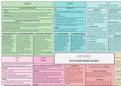
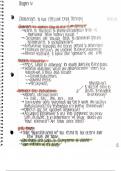
CONFORMITY OBEDIENCE Obedience
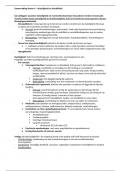
SOCIAL-PSCYHOLOGICAL FACTORS
Types of conformity (Kelman, 1958) Milgram (1963)
• Compliance: changing public behaviour and attitudes to 'go along' with the group, but not accepting it Aim: Agentic state Evaluation of social-psych
privately • To measure the level of obedience to an authority figure, A mental state where we feel no + Research support
• Identification: conforming to the opinions/behaviour of a group because we value the group and want when asked to administer electric shocks to another person. personal responsibility for our Hofling et al found 21/22 nu
to be part of it. We publicaly change our views and behaviour but may not fully agree privately. Procedure: behaviour because we believe ourselves order to give an overdose of
• Internalisation: when a person genuinely accepts the views and behaviour of the group. This means the • 40 males aged 20-50 to be acting for an authority figure, i.e. drug by a fake doctor over th
person has both publicly and privately accepted the attitudes of the group we are their agent. This allows us to This lends validity to the age
• Participants 'randomly' assigned to teacher or learner role.
Rigged so participant was always the teacher obey even a destructive authority figure. legitimacy of authority theor
Explanations of conformity (Deutsch & Gerard, 1955) However, we will feel anxiety about
• Teacher asks basic memory questions to learner and gives
• Informational social influence (ISI) electric shocks when they get it wrong committing acts that we deem wrong - Cultural differences
Often we are uncertain about whether something is right or wrong. In these situations, we might follow and • Learner gave mainly wrong answers and the teacher was (moral strain). Some countries differ in the
accept what the majority of the group think. For example, when answering a question in class, a student ordered to shock them by the experimenter they are traditionally obedie
might follow what most other people say. ISI is considered a cognitive process. • Autonomous state (Australia: 16%, Germany 80
Findings: This means in some cultures
• Normative social influence (NSI) A person in an autonomous state is free
Norms regulate the behaviour of individuals and groups. When looking for approval from a group, we may • 87.5% of participants continued past 300 volts to behave according to their own more likely to be accepted a
adopt their norms and behaviours. NSI is an considered an emotional process. • 65% of participants continued to 450 volts entitled to demand obedien
principles, and therefore feels a sense of
Therefore, the theory may b
responsibility for their own actions. The other cultures.
+ Research support for ISI - Individual differences in NSI - ISI and NSI may work together - Low internal validity + Good external validity
shift from autonomy to 'agency' is called
Lucas et al (2006) asked There is research to suggest Deutsch and Gerrard's 'two process' Orne & Holland (1968) argued As a lab experiment, Milgram’s
students to answer the agentic shift, it usually occurs when Legitimacy of aut
that NSI does not affect approach is that behaviour is due to that the participants behaved study may appear to lack
mathematical problems of an individual perceives someone else as We are more likely to obey p
everyone in the same way. E.g. either ISI or NSI. However, often both the way they did because external validity. However,
varying difficulty. perceive to have authority o
Students were more likely to people who do not care as processes are involved. they didn't believe the electric Milgram argued that the lab an authority position
conform to an incorrect much about being liked are For example, in Asch's study, shocks were real. This means accurately reflected authority authority is justified by the i
answer when the questions • Binding factors position of power within a so
generally less affected by NSI. participants were less likely to conform Milgram wasn't testing what relationships in real life. This is
were more difficult. Aspects of the situation that allow the One of the consequences of
People who have a high need when one of the confederates didn't. he intended to, giving the supported by other studies,
This demonstrates that person to ignore or minimise the of authority is that some peo
for association with others This may be due to NSI (the non- study low internal validity. e.g. Hofling et al (1966), who
people are more likely to damaging effect of their behaviour and the power to punish others,
(called nAfilliators) are more conformer provides social support to However, Milgram counter- found that most nurses
conform when they don't thus reduce the 'moral strain' they are police are allowed to punish
likely to conform (McGhee & the participant) or ISI (the non- argues that 70% of (21/22) would follow
know the answer, as feeling. E.g. shifting the responsibility to break the law. We learn to a
Teevan 1967). conformer gives an alternative source participants believed the unjustified demands by
predicted by the ISI the victim ('he was foolish to volunteer') legitimacy of authority from
This is a weakness because of information). shocks were real doctors.
explanation. This is a
some people do not respond in This is a limitation because it suggests
strength because it gives the
the same way to NSI as others. that NSI & ISI may not be independent
ISI explanation more validity.
processes.
CONFORMITY CONFORMITY
A LEVEL PSYCHOLOGY
ASCH ZIMBARDO Social influence knowledge organiser A form of so
even just on
adopt their b
Aim: To investigate the extent to which social pressure from a
leads to inte
majority group will cause an individual to conform Aim: To investigate whether prison guards behave brutally Locus of control
RESISTANCE TO SOCIAL INFLUENCE
changed as w
because they have sadistic personalities, or is it the situation First proposed by Rotter (1966), LOC
Procedure: that creates such behaviour? refers to the sense we each have about
Ev
123 Male US undergraduates had to compare 3 lines of different what directs events in our lives.
lengths to a standard line. Procedure: Resistance to social influence + Research
People with internal LOC believe they
There was only one naïve participant in each group, the other 6- Zimbardo and his colleagues set up a mock prison in the Refers to the ability of people to withstand the social Moscovici et
are mostly in control of what happens
8 people were confederates. basement of Stanford university. They recruited students pressure to conform to the majority or to obey authority. minority had
to them, while people with external
On the first few trials, confederates gave the right answer, but deemed 'emotionally stable' and randomly assigned them to This ability to withstand social pressure is influenced by inconsistent
LOC believe it's mostly down to luck or
during the 12 'critical trials' they gave wrong answers either a guard or prisoner role. both situational and dispositional factors. consistency
other external factors.
The add to the realism, prisoners were arrested in their homes People with an internal LOC are more
Findings: and arrived blindfolded, before being strip-searched. - Artificial ta
likely to resist social influence, as they Social support
The prisoners and guards were each given their own uniform, The tasks inv
• The naïve participant gave a wrong answer 37% of the time generally base their decisions on their The pressure to conform is greatly reduced when other
and the prisoners made to feel oppressed and powerless slide, are art
own beliefs and thus resist pressures people are present who are not conforming. The person
• 75% of participants conformed at least once application i
from others. not conforming doesn't even have to give the right answer
• When interviewed afterwards, most participants said they Findings: minority infl
(shown by Asch), they just have to go against the group.
SOCIAL-PSCYHOLOGICAL FACTORS
Types of conformity (Kelman, 1958) Milgram (1963)
• Compliance: changing public behaviour and attitudes to 'go along' with the group, but not accepting it Aim: Agentic state Evaluation of social-psych
privately • To measure the level of obedience to an authority figure, A mental state where we feel no + Research support
• Identification: conforming to the opinions/behaviour of a group because we value the group and want when asked to administer electric shocks to another person. personal responsibility for our Hofling et al found 21/22 nu
to be part of it. We publicaly change our views and behaviour but may not fully agree privately. Procedure: behaviour because we believe ourselves order to give an overdose of
• Internalisation: when a person genuinely accepts the views and behaviour of the group. This means the • 40 males aged 20-50 to be acting for an authority figure, i.e. drug by a fake doctor over th
person has both publicly and privately accepted the attitudes of the group we are their agent. This allows us to This lends validity to the age
• Participants 'randomly' assigned to teacher or learner role.
Rigged so participant was always the teacher obey even a destructive authority figure. legitimacy of authority theor
Explanations of conformity (Deutsch & Gerard, 1955) However, we will feel anxiety about
• Teacher asks basic memory questions to learner and gives
• Informational social influence (ISI) electric shocks when they get it wrong committing acts that we deem wrong - Cultural differences
Often we are uncertain about whether something is right or wrong. In these situations, we might follow and • Learner gave mainly wrong answers and the teacher was (moral strain). Some countries differ in the
accept what the majority of the group think. For example, when answering a question in class, a student ordered to shock them by the experimenter they are traditionally obedie
might follow what most other people say. ISI is considered a cognitive process. • Autonomous state (Australia: 16%, Germany 80
Findings: This means in some cultures
• Normative social influence (NSI) A person in an autonomous state is free
Norms regulate the behaviour of individuals and groups. When looking for approval from a group, we may • 87.5% of participants continued past 300 volts to behave according to their own more likely to be accepted a
adopt their norms and behaviours. NSI is an considered an emotional process. • 65% of participants continued to 450 volts entitled to demand obedien
principles, and therefore feels a sense of
Therefore, the theory may b
responsibility for their own actions. The other cultures.
+ Research support for ISI - Individual differences in NSI - ISI and NSI may work together - Low internal validity + Good external validity
shift from autonomy to 'agency' is called
Lucas et al (2006) asked There is research to suggest Deutsch and Gerrard's 'two process' Orne & Holland (1968) argued As a lab experiment, Milgram’s
students to answer the agentic shift, it usually occurs when Legitimacy of aut
that NSI does not affect approach is that behaviour is due to that the participants behaved study may appear to lack
mathematical problems of an individual perceives someone else as We are more likely to obey p
everyone in the same way. E.g. either ISI or NSI. However, often both the way they did because external validity. However,
varying difficulty. perceive to have authority o
Students were more likely to people who do not care as processes are involved. they didn't believe the electric Milgram argued that the lab an authority position
conform to an incorrect much about being liked are For example, in Asch's study, shocks were real. This means accurately reflected authority authority is justified by the i
answer when the questions • Binding factors position of power within a so
generally less affected by NSI. participants were less likely to conform Milgram wasn't testing what relationships in real life. This is
were more difficult. Aspects of the situation that allow the One of the consequences of
People who have a high need when one of the confederates didn't. he intended to, giving the supported by other studies,
This demonstrates that person to ignore or minimise the of authority is that some peo
for association with others This may be due to NSI (the non- study low internal validity. e.g. Hofling et al (1966), who
people are more likely to damaging effect of their behaviour and the power to punish others,
(called nAfilliators) are more conformer provides social support to However, Milgram counter- found that most nurses
conform when they don't thus reduce the 'moral strain' they are police are allowed to punish
likely to conform (McGhee & the participant) or ISI (the non- argues that 70% of (21/22) would follow
know the answer, as feeling. E.g. shifting the responsibility to break the law. We learn to a
Teevan 1967). conformer gives an alternative source participants believed the unjustified demands by
predicted by the ISI the victim ('he was foolish to volunteer') legitimacy of authority from
This is a weakness because of information). shocks were real doctors.
explanation. This is a
some people do not respond in This is a limitation because it suggests
strength because it gives the
the same way to NSI as others. that NSI & ISI may not be independent
ISI explanation more validity.
processes.
CONFORMITY CONFORMITY
A LEVEL PSYCHOLOGY
ASCH ZIMBARDO Social influence knowledge organiser A form of so
even just on
adopt their b
Aim: To investigate the extent to which social pressure from a
leads to inte
majority group will cause an individual to conform Aim: To investigate whether prison guards behave brutally Locus of control
RESISTANCE TO SOCIAL INFLUENCE
changed as w
because they have sadistic personalities, or is it the situation First proposed by Rotter (1966), LOC
Procedure: that creates such behaviour? refers to the sense we each have about
Ev
123 Male US undergraduates had to compare 3 lines of different what directs events in our lives.
lengths to a standard line. Procedure: Resistance to social influence + Research
People with internal LOC believe they
There was only one naïve participant in each group, the other 6- Zimbardo and his colleagues set up a mock prison in the Refers to the ability of people to withstand the social Moscovici et
are mostly in control of what happens
8 people were confederates. basement of Stanford university. They recruited students pressure to conform to the majority or to obey authority. minority had
to them, while people with external
On the first few trials, confederates gave the right answer, but deemed 'emotionally stable' and randomly assigned them to This ability to withstand social pressure is influenced by inconsistent
LOC believe it's mostly down to luck or
during the 12 'critical trials' they gave wrong answers either a guard or prisoner role. both situational and dispositional factors. consistency
other external factors.
The add to the realism, prisoners were arrested in their homes People with an internal LOC are more
Findings: and arrived blindfolded, before being strip-searched. - Artificial ta
likely to resist social influence, as they Social support
The prisoners and guards were each given their own uniform, The tasks inv
• The naïve participant gave a wrong answer 37% of the time generally base their decisions on their The pressure to conform is greatly reduced when other
and the prisoners made to feel oppressed and powerless slide, are art
own beliefs and thus resist pressures people are present who are not conforming. The person
• 75% of participants conformed at least once application i
from others. not conforming doesn't even have to give the right answer
• When interviewed afterwards, most participants said they Findings: minority infl
(shown by Asch), they just have to go against the group.