To what extent did the proletariat benefit from Stalin’s rule in the 1930s?
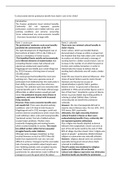
Introduction:
The Russian proletariat faced minimal benefits.
Conformity did not represent genuine
enthusiasm; workers were riddled with fear, poor
working conditions and extreme censorship.
Terror underpinned any socio-economic benefits
– that were inconsistent to begin with.
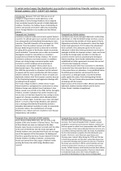
Point 1- socio-econ Point 2- culturally
The proletariats’ moderate socio-econ benefits There were very minimal cultural benefits in
paralleled the achievements of the FYP. Stalin’s Russia.
The rapid development of Magnitogorsk was at Soviet culture, which was Socialist Realism,
the forefront of Stalin’s FYPs in the 1930s as it demonstrated a change as artists no longer had
acted as a showpiece of Soviet success. the freedom that they had under Lenin- now had
-This benefited Russia socially and economically to produce art which portrayed a message of
as it reflected elements of modernisation that working hard for a better socialist future. Saw an
competing Western states had achieved and increase in the number of art which focussed on
opened up employment opportunities - tractors and combine harvesters, in order to
Magnitogorsk was initially just a small village but indoctrinate the masses to believe that by
by 1932 it became a thriving town of around working hard collectively one will create a better
250,000 people. future.
The social group that benefited the most were Soviet life was closed to external influences- 1932
working men. There was a genuine sense of Union of Soviet Writers used to control Soviet
enthusiasm from Stakhonovites who took pride in literature and focused on success of
their ability to produce more than what was industrialisation to glorify Stalin’s position.
required. This collective spirit was rewarded with Roberts service “no great work of literature
material benefits and in 1931 Stalin offered wage published in 1930s and all artistic figures went in
differentials so skilled workers would get paid fear of their lives”. Resulted in a genre of silence-
more- the proletariat became more diverse in writers (e.g Isaac Babel) stop writing publicly in
experience, and some thrived with increased refusing to adopt Stalinist ideas. Extreme
living standards. censorship did not benefit the proletariat
However, these socio-economic benefits were culturally.
not equally felt. There were abysmal working However, the rise of propaganda did lead to
conditions- only 15% lived in brick houses in massive rises in literacy rates. Pre rev: 60%, 1941:
Magnitogorsk and in 1932 managers could sack 94% towns, 86% countryside.
workers deemed unsatisfactory which meant they Ultimately, this rigid censorship hindered
could withdraw ration cards and housing benefits. cultural freedom in Russia so there were
‘Quicksand society’ the lack of skilled workers underwhelming benefits if any- conformity did
created major problems. Workers were not represent genuine enthusiasm.
constantly changing jobs and moving houses, Also, religion was heavily attacked so devout
which created instability in society. This meant followers felt marginalised. Church was seen as
less skilled workers (often former peasants) part of the old tsarist world by the end of 1930
struggled heavily under Stalinism. 80% of village churches closed. Marx “religion was
Although some managers benefited, as they opium of people”- proletariats blindly followed
received bonuses as much as 40% if they did religion so communism was naturally atheistic.
better than expected this was very rare and However, religious attacks were not consistent
difficult to achieve. Managers had the unenviable especially during great retreat where Stalin
task of ensuring unrealistic output targets were returned to traditionalism.
met- falsifying statistics and corruption became Church’s power was weakened so religious
normal. National work norms such as harsh leaders and followers did not benefit.
punishments for absenteeism made it difficult for Cultural and religious expression was eliminated,
managers to earn the good will of the labour therefore hardly any benefits for proletariat.
Introduction:
The Russian proletariat faced minimal benefits.
Conformity did not represent genuine
enthusiasm; workers were riddled with fear, poor
working conditions and extreme censorship.
Terror underpinned any socio-economic benefits
– that were inconsistent to begin with.
Point 1- socio-econ Point 2- culturally
The proletariats’ moderate socio-econ benefits There were very minimal cultural benefits in
paralleled the achievements of the FYP. Stalin’s Russia.
The rapid development of Magnitogorsk was at Soviet culture, which was Socialist Realism,
the forefront of Stalin’s FYPs in the 1930s as it demonstrated a change as artists no longer had
acted as a showpiece of Soviet success. the freedom that they had under Lenin- now had
-This benefited Russia socially and economically to produce art which portrayed a message of
as it reflected elements of modernisation that working hard for a better socialist future. Saw an
competing Western states had achieved and increase in the number of art which focussed on
opened up employment opportunities - tractors and combine harvesters, in order to
Magnitogorsk was initially just a small village but indoctrinate the masses to believe that by
by 1932 it became a thriving town of around working hard collectively one will create a better
250,000 people. future.
The social group that benefited the most were Soviet life was closed to external influences- 1932
working men. There was a genuine sense of Union of Soviet Writers used to control Soviet
enthusiasm from Stakhonovites who took pride in literature and focused on success of
their ability to produce more than what was industrialisation to glorify Stalin’s position.
required. This collective spirit was rewarded with Roberts service “no great work of literature
material benefits and in 1931 Stalin offered wage published in 1930s and all artistic figures went in
differentials so skilled workers would get paid fear of their lives”. Resulted in a genre of silence-
more- the proletariat became more diverse in writers (e.g Isaac Babel) stop writing publicly in
experience, and some thrived with increased refusing to adopt Stalinist ideas. Extreme
living standards. censorship did not benefit the proletariat
However, these socio-economic benefits were culturally.
not equally felt. There were abysmal working However, the rise of propaganda did lead to
conditions- only 15% lived in brick houses in massive rises in literacy rates. Pre rev: 60%, 1941:
Magnitogorsk and in 1932 managers could sack 94% towns, 86% countryside.
workers deemed unsatisfactory which meant they Ultimately, this rigid censorship hindered
could withdraw ration cards and housing benefits. cultural freedom in Russia so there were
‘Quicksand society’ the lack of skilled workers underwhelming benefits if any- conformity did
created major problems. Workers were not represent genuine enthusiasm.
constantly changing jobs and moving houses, Also, religion was heavily attacked so devout
which created instability in society. This meant followers felt marginalised. Church was seen as
less skilled workers (often former peasants) part of the old tsarist world by the end of 1930
struggled heavily under Stalinism. 80% of village churches closed. Marx “religion was
Although some managers benefited, as they opium of people”- proletariats blindly followed
received bonuses as much as 40% if they did religion so communism was naturally atheistic.
better than expected this was very rare and However, religious attacks were not consistent
difficult to achieve. Managers had the unenviable especially during great retreat where Stalin
task of ensuring unrealistic output targets were returned to traditionalism.
met- falsifying statistics and corruption became Church’s power was weakened so religious
normal. National work norms such as harsh leaders and followers did not benefit.
punishments for absenteeism made it difficult for Cultural and religious expression was eliminated,
managers to earn the good will of the labour therefore hardly any benefits for proletariat.