“Trade with the Empire became of increasing importance to Britain as a result of WWI and WWII.” Assess
the validity of this view with reference to the years 1914-1947.
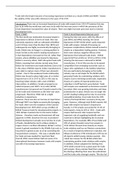
Introduction There was an increased importance of trade with empire from 1914-47 however this was
less to do with the world wars and more to do with the inter-war years in which the pressures of the
Great Depression increased the value of empire. There was slight increases post wars due to Colonial
Development Acts.
Point 1 WW1 Point 2 Great Depression/interwar years
The first world war moderately increased empire’s During the inter-war years, with the effects of
importance to Britain in terms of trade. War was post WW1 and WW2 looming, the Great
extremely expensive with an estimated £35million Depression (1929-33) hit which vastly impacted
cost (13 times more than the Boer War 1899) and trade with empire. Instead of focussing on
subsequently was highly economically damaging to European complications, Britain instead turned to
trade. Britain was no longer in a strong position to empire as a dependent trading partner. However,
retain its title as the world’s leading manufacturer – there were obvious negative effects of the
in fact dependency increased on the US, rather than Depression that reduced trade levels – British
empire, where $4billion was loaned to help keep exports fell from £525m in 1913 to £378 in 1934,
Britain’s economy afloat. WW1 disrupted trade with showing the decrease in demand for British
Britain, meaning that colonies turned away from manufacture. A lot of this was due to increased
Britain for investment and trade declined. Due to fall competition from emerging economies such as
in the value of British exports, Indian manufacturers Japan who capitalised on the textiles industries;
were able to capture more of their own domestic this was particularly damaging as the textile
market – due to this weakened trade relationship, industry was an old staple for the British which
Britain was forced to place high taxes of on Indian generated funds for maintaining relations with
imports from 11% in 1917 to 25% in 1931 due to empire. Due to shrinking world trade, imperialist
booming Indian industry with a lack of British dreams of a policy of imperial preference (a
intervention. In addition, Canada emerged as an reduction in tariff barriers) were dashed. Trade
industrial power post WW1. As in India, British with empire was weakened as dominions wanted
manufacturers lost ground and Canada turned to the to protect their own growing industries and keep
US for trade and investment as the inter-war years protectionism in place. Britain was no longer the
progressed. Therefore, WW1 led to a slight world’s leading trading partner due to economic
reduction in importance. and political decline. Free trade from the 19th
However, there was also an increase in importance. century that kept Britain’s economy strong was
Although WW1 was highly economically damaging gone. However, although total British exports fell,
for trade, there was the exception of the Colonial trade with empire increased in importance
Development Act 1929 which set up £1million of heavily. In 1913 empire accounted for 37.2% of
British Treasury funds for developmental projects. In total exports, rising to 44% in 1934 – trade with
1920, Britain invested £3m for the Gezira Cotton empire had become vital. Empire had the
Scheme – therefore trade and investment still was important role of supplying foodstuffs and raw
apparent in WW1 (however this was inconsistent - materials to Britain highlighting the increased
limited development actually occurred due to a lack dependency. For example, 88% of tea (India) and
of funds; dissatisfaction led to strikes notably in 50% of wheat (Canada) came from empire in
copper mines in northern Rhodesia). Britain’s victory 1934. Britain focused more heavily on empire
meant it gained mandated in the Middle East such as trade relations and less on Western connections.
Iraq where it gained access to oil by controlling the As a result of imperial preference’s rejection, the
Iraq petroleum company – this was a valuable item Ottawa Conference 1932 introduced a 10% tax on
for trade and was needed for merchant fleet. all imports whilst leaving colonies exempt – this
Overall, WW1 meant Britain had lost some of its raised tax revenue for the British whilst also
international dominance however trade with empire maintaining positive trade relations with empire.
was still of increasing importance. In addition, Britain adopted the Sterling Area
1931 which proved to be a great asset for trade
with empire. Many colonies fixed their values to
the Sterling reflecting their close ties with Britain
and the trade unity amongst empire. This also led
the validity of this view with reference to the years 1914-1947.
Introduction There was an increased importance of trade with empire from 1914-47 however this was
less to do with the world wars and more to do with the inter-war years in which the pressures of the
Great Depression increased the value of empire. There was slight increases post wars due to Colonial
Development Acts.
Point 1 WW1 Point 2 Great Depression/interwar years
The first world war moderately increased empire’s During the inter-war years, with the effects of
importance to Britain in terms of trade. War was post WW1 and WW2 looming, the Great
extremely expensive with an estimated £35million Depression (1929-33) hit which vastly impacted
cost (13 times more than the Boer War 1899) and trade with empire. Instead of focussing on
subsequently was highly economically damaging to European complications, Britain instead turned to
trade. Britain was no longer in a strong position to empire as a dependent trading partner. However,
retain its title as the world’s leading manufacturer – there were obvious negative effects of the
in fact dependency increased on the US, rather than Depression that reduced trade levels – British
empire, where $4billion was loaned to help keep exports fell from £525m in 1913 to £378 in 1934,
Britain’s economy afloat. WW1 disrupted trade with showing the decrease in demand for British
Britain, meaning that colonies turned away from manufacture. A lot of this was due to increased
Britain for investment and trade declined. Due to fall competition from emerging economies such as
in the value of British exports, Indian manufacturers Japan who capitalised on the textiles industries;
were able to capture more of their own domestic this was particularly damaging as the textile
market – due to this weakened trade relationship, industry was an old staple for the British which
Britain was forced to place high taxes of on Indian generated funds for maintaining relations with
imports from 11% in 1917 to 25% in 1931 due to empire. Due to shrinking world trade, imperialist
booming Indian industry with a lack of British dreams of a policy of imperial preference (a
intervention. In addition, Canada emerged as an reduction in tariff barriers) were dashed. Trade
industrial power post WW1. As in India, British with empire was weakened as dominions wanted
manufacturers lost ground and Canada turned to the to protect their own growing industries and keep
US for trade and investment as the inter-war years protectionism in place. Britain was no longer the
progressed. Therefore, WW1 led to a slight world’s leading trading partner due to economic
reduction in importance. and political decline. Free trade from the 19th
However, there was also an increase in importance. century that kept Britain’s economy strong was
Although WW1 was highly economically damaging gone. However, although total British exports fell,
for trade, there was the exception of the Colonial trade with empire increased in importance
Development Act 1929 which set up £1million of heavily. In 1913 empire accounted for 37.2% of
British Treasury funds for developmental projects. In total exports, rising to 44% in 1934 – trade with
1920, Britain invested £3m for the Gezira Cotton empire had become vital. Empire had the
Scheme – therefore trade and investment still was important role of supplying foodstuffs and raw
apparent in WW1 (however this was inconsistent - materials to Britain highlighting the increased
limited development actually occurred due to a lack dependency. For example, 88% of tea (India) and
of funds; dissatisfaction led to strikes notably in 50% of wheat (Canada) came from empire in
copper mines in northern Rhodesia). Britain’s victory 1934. Britain focused more heavily on empire
meant it gained mandated in the Middle East such as trade relations and less on Western connections.
Iraq where it gained access to oil by controlling the As a result of imperial preference’s rejection, the
Iraq petroleum company – this was a valuable item Ottawa Conference 1932 introduced a 10% tax on
for trade and was needed for merchant fleet. all imports whilst leaving colonies exempt – this
Overall, WW1 meant Britain had lost some of its raised tax revenue for the British whilst also
international dominance however trade with empire maintaining positive trade relations with empire.
was still of increasing importance. In addition, Britain adopted the Sterling Area
1931 which proved to be a great asset for trade
with empire. Many colonies fixed their values to
the Sterling reflecting their close ties with Britain
and the trade unity amongst empire. This also led