DSP 1
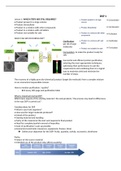
Lesson 1: WHICH STEPS ARE STILL REQUIRED?
• Product present in a large volume
• Product intracellular
• Product in a mixture with other compounds
• Product in a mixture with cell debris
• Product not suitable for sale
WHAT CAN WE DO DURING DSP?
Clarification:
get rid of large
molecules
Formulation: to make the product ready for
sale
Successful and efficient protein purification,
selecting the most appropriate techniques,
optimizing their performance to suit the
requirements and combining them in a logical
way to maximize yield and minimize the
number of steps.
The recovery of a highly pure bio-(chemical) product (target bio-molecule) from a complex mixture
on an economical responsible manner.
How to monitor purification / quality?
- BCA assay, SDS page and purification table
What is important during DSP?
Which basic aspects of the starting material / the end-products / the process may lead to differences
in the way DSP is carried out?
Considerations for DSP
• What is your host organism?
• How was the target molecule produced?
• Intend of the product
• Starting material and handling
• Purity of the material at the start and required in final product
• Need for complete/partial removal of impurities
• Scale of purification/ scale-up possible
• Economical constraints (resources, equipment, finance, time)
Define your objectives for the DSP! Purity, quantity, activity, economics, timeframe
Purity:
• Nature of the source material
• Intended use of the product (also affects quantity)
,• Special safety issues; which impurities should be removed or can be tolerated
• Need for speed may override purity (economical motifs)
• Homogeneity might be an issue, the same molecule might be present in different forms due to
proteolytic cleavage, pre-terminated translation or PTMs
• Minor amounts of impurities may have biological implications
Activity
• Often a necessity in protein purification
- Enzymes, antibodies
• Proteins should remain in their native conformation
- No exposure to harsh purification methods and specific conditions
Which ones? How do they affect protein conformation?
• Some chemical methods do not require active protein
• Other methods require long term stability (e.g. crystallography)
• Purification strategies should be matched to the required end condition or storage condition
• Knowledge of enzyme kinetics necessary
Quantity
• Depending on the purpose different amounts of product are desired
• Affects the scale of purification
• Scale of purification further affected by sample volume and contaminants
Homogeneity
• Next to high purity, product should be highly homogeneous (only enzymes no other molecules)
• Heterogeneity introduced in different ways: (multiple molecules, like enzyme + cofactor)
- preterminated translation (mix of different size proteins)
- protease activity (during expression or purification)
- oligomers, aggregates and complexes
- Post-translational modifications
• Important to have a clear view which compound to purify
• Techniques to be applied might be different
THE HOST ORGANISM
• Contaminating molecules present?
• Where is the product produced/released?
• PTMs present?
• Proteolytic activity
Extracellular products
(Yeast, Fungi, Mammalian cells, Insect cells)
Clarification Extraction Fractionation
Intracellular products
(Bacteria, Yeast)
Harvesting Cell Disruption Extraction Fractionation
, KNOWLEDGE OF THE TARGET AND IMPURITIES
• Basic information (MW, formula, structure, pI-value, solubility, PTM, conformation, stability,
activity, functional groups)
• Differences compared to impurities
• Determine stability window (for example enzyme is only stable for … hours in this buffer)
• Which impurities should be removed?
• Avoid inactivation
• Important for the selection of techniques and assays
STARTING MATERIAL
• Depending on the expression host and localization of the product different starting conditions
• May alter the sequence or conditions for purification
PURIFICATION TABLE
• Designed to follow the progress of purification
• Evaluate outcome of each purification step
• Recovery should be as high as possible and purification factor should increase
You calculate the amount total protein (mg) by (volume (mL) * protein conc. (mg/mL)
Supernatant USP: 100% starting material
Purification factor
Over time the volume will be less due to it being more concentrated (in our case filtration vivaflow).
Specific activity: total activity / total amount of proteins
Recovery (%): (new total activity / old total activity x 100%)
Purification factor: (specific activity new / specific activity old)
These 2 give an indication how the DSP is going
Old activity/ specific activity is the first (supernatant) ALWAYS -> in graph 107
ANALYTICAL ASSAYS
• Determine quantity, activity, recovery, critical impurities
• Follow progress, effectiveness
• Assays for both target molecule and impurities that need removal
• Should fit the properties of the target molecule
• If unavailable new techniques should be developed
Examples: SDS-PAGE, BCA, bradford, spectrophotometer, activity assays, Mass Spectrometry
PURIFICATION TECHNIQUES
• Should fit the properties of the target molecule
• Use different techniques using different target properties
beneficial for purity of the final product
- e.g. different forms of chromatography
• Implies knowledge of target molecule and possible contaminants!
Lesson 1: WHICH STEPS ARE STILL REQUIRED?
• Product present in a large volume
• Product intracellular
• Product in a mixture with other compounds
• Product in a mixture with cell debris
• Product not suitable for sale
WHAT CAN WE DO DURING DSP?
Clarification:
get rid of large
molecules
Formulation: to make the product ready for
sale
Successful and efficient protein purification,
selecting the most appropriate techniques,
optimizing their performance to suit the
requirements and combining them in a logical
way to maximize yield and minimize the
number of steps.
The recovery of a highly pure bio-(chemical) product (target bio-molecule) from a complex mixture
on an economical responsible manner.
How to monitor purification / quality?
- BCA assay, SDS page and purification table
What is important during DSP?
Which basic aspects of the starting material / the end-products / the process may lead to differences
in the way DSP is carried out?
Considerations for DSP
• What is your host organism?
• How was the target molecule produced?
• Intend of the product
• Starting material and handling
• Purity of the material at the start and required in final product
• Need for complete/partial removal of impurities
• Scale of purification/ scale-up possible
• Economical constraints (resources, equipment, finance, time)
Define your objectives for the DSP! Purity, quantity, activity, economics, timeframe
Purity:
• Nature of the source material
• Intended use of the product (also affects quantity)
,• Special safety issues; which impurities should be removed or can be tolerated
• Need for speed may override purity (economical motifs)
• Homogeneity might be an issue, the same molecule might be present in different forms due to
proteolytic cleavage, pre-terminated translation or PTMs
• Minor amounts of impurities may have biological implications
Activity
• Often a necessity in protein purification
- Enzymes, antibodies
• Proteins should remain in their native conformation
- No exposure to harsh purification methods and specific conditions
Which ones? How do they affect protein conformation?
• Some chemical methods do not require active protein
• Other methods require long term stability (e.g. crystallography)
• Purification strategies should be matched to the required end condition or storage condition
• Knowledge of enzyme kinetics necessary
Quantity
• Depending on the purpose different amounts of product are desired
• Affects the scale of purification
• Scale of purification further affected by sample volume and contaminants
Homogeneity
• Next to high purity, product should be highly homogeneous (only enzymes no other molecules)
• Heterogeneity introduced in different ways: (multiple molecules, like enzyme + cofactor)
- preterminated translation (mix of different size proteins)
- protease activity (during expression or purification)
- oligomers, aggregates and complexes
- Post-translational modifications
• Important to have a clear view which compound to purify
• Techniques to be applied might be different
THE HOST ORGANISM
• Contaminating molecules present?
• Where is the product produced/released?
• PTMs present?
• Proteolytic activity
Extracellular products
(Yeast, Fungi, Mammalian cells, Insect cells)
Clarification Extraction Fractionation
Intracellular products
(Bacteria, Yeast)
Harvesting Cell Disruption Extraction Fractionation
, KNOWLEDGE OF THE TARGET AND IMPURITIES
• Basic information (MW, formula, structure, pI-value, solubility, PTM, conformation, stability,
activity, functional groups)
• Differences compared to impurities
• Determine stability window (for example enzyme is only stable for … hours in this buffer)
• Which impurities should be removed?
• Avoid inactivation
• Important for the selection of techniques and assays
STARTING MATERIAL
• Depending on the expression host and localization of the product different starting conditions
• May alter the sequence or conditions for purification
PURIFICATION TABLE
• Designed to follow the progress of purification
• Evaluate outcome of each purification step
• Recovery should be as high as possible and purification factor should increase
You calculate the amount total protein (mg) by (volume (mL) * protein conc. (mg/mL)
Supernatant USP: 100% starting material
Purification factor
Over time the volume will be less due to it being more concentrated (in our case filtration vivaflow).
Specific activity: total activity / total amount of proteins
Recovery (%): (new total activity / old total activity x 100%)
Purification factor: (specific activity new / specific activity old)
These 2 give an indication how the DSP is going
Old activity/ specific activity is the first (supernatant) ALWAYS -> in graph 107
ANALYTICAL ASSAYS
• Determine quantity, activity, recovery, critical impurities
• Follow progress, effectiveness
• Assays for both target molecule and impurities that need removal
• Should fit the properties of the target molecule
• If unavailable new techniques should be developed
Examples: SDS-PAGE, BCA, bradford, spectrophotometer, activity assays, Mass Spectrometry
PURIFICATION TECHNIQUES
• Should fit the properties of the target molecule
• Use different techniques using different target properties
beneficial for purity of the final product
- e.g. different forms of chromatography
• Implies knowledge of target molecule and possible contaminants!