SESSION 4: MOBILE APPS
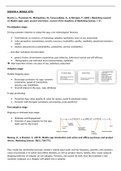
Stocchi, L., Pourazad, N., Michaelidou, N., Tanusondjaja, A., & Harrigan, P. (2021). Marketing research
on Mobile apps: past, present and future. Journal of the Academy of Marketing Science, 1-31.
Pre-Adoption stage:
Driving customers intention to adopt the app, over technological features:
• Tech-features as Incentives of technology adaption (usefulness, ease of use, enjoyment)
• value perceptions (convenience, novelty, accuracy, localability, quality, aesthetics, perceived monetary
value)
• medium characteristics (controllability, connectivity, service availability)
… and other individual characteristics:
• generic factors (involvement, experience, past behavior, behavioral control and self-efficacy
• demographics and individual traits (innovativeness, optimism)
➔ Most important drivers are ease of use, usefulness, enjoyment
Adoption stage:
Mobile shopping apps:
• Encourage purchases via app: customer
experience, speed of transactions,
security, user friendliness
• Overall interest in the app , App attributes
In-app purchasing:
• Perceived App value (quality & value for money, social & emotional value)
• Personal traits (bargain proneness, extraversion, price sensitivity)
Post-adoption stage
Ongoing or continued app usage
• Stickiness and Engagement
• Outcome of app adoption for the app
itself, and for the brand
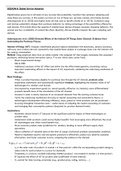
Narang, U., & Shankar, V. (2019). Mobile app introduction and online and offline purchases and product
returns. Marketing Science, 38(5), 756-772.
They model the relationship between retailer’s mobile app launch and the frequency, quantity, and monetary
value of purchases in its online and offline channels, as well as product returns. Ideally, they would compare
shopping behavior of adopter an non-adopter. However, one cannot be both. And, the treatment is non-
randomly assigned, as a shopper self-selects into a adopter.
Stocchi, L., Pourazad, N., Michaelidou, N., Tanusondjaja, A., & Harrigan, P. (2021). Marketing research
on Mobile apps: past, present and future. Journal of the Academy of Marketing Science, 1-31.
Pre-Adoption stage:
Driving customers intention to adopt the app, over technological features:
• Tech-features as Incentives of technology adaption (usefulness, ease of use, enjoyment)
• value perceptions (convenience, novelty, accuracy, localability, quality, aesthetics, perceived monetary
value)
• medium characteristics (controllability, connectivity, service availability)
… and other individual characteristics:
• generic factors (involvement, experience, past behavior, behavioral control and self-efficacy
• demographics and individual traits (innovativeness, optimism)
➔ Most important drivers are ease of use, usefulness, enjoyment
Adoption stage:
Mobile shopping apps:
• Encourage purchases via app: customer
experience, speed of transactions,
security, user friendliness
• Overall interest in the app , App attributes
In-app purchasing:
• Perceived App value (quality & value for money, social & emotional value)
• Personal traits (bargain proneness, extraversion, price sensitivity)
Post-adoption stage
Ongoing or continued app usage
• Stickiness and Engagement
• Outcome of app adoption for the app
itself, and for the brand
Narang, U., & Shankar, V. (2019). Mobile app introduction and online and offline purchases and product
returns. Marketing Science, 38(5), 756-772.
They model the relationship between retailer’s mobile app launch and the frequency, quantity, and monetary
value of purchases in its online and offline channels, as well as product returns. Ideally, they would compare
shopping behavior of adopter an non-adopter. However, one cannot be both. And, the treatment is non-
randomly assigned, as a shopper self-selects into a adopter.