MODULE 1:
Missile to the moon
R=PxC
Organizational change capability has become a critical competency. It
comprehends the what (systems, processes, structures, strategy) and the why
(cultures, values, emotions behaviors). Hard (management) and soft
(leadership) part combined together in a holistic approach.
The moment an organization must start the change is when it reaches the
growth stage. By the time it is in maturity, it will already know its direction. This creates a
lifecycle with new dynamics. Change can be urged by external (globalization,
digitalization, politics, social etc) or internal factors (low performance, new personnel, low
satisfaction) etc.
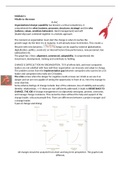
The graph has 3 lines: alignment, commercial, adaptability. It comprehends the
investment, development, training and contribute to holding.
CHANGE IS DIFFICULT FOR AN ORGANIZATION. 70 % of efforts fails, and most companies
leaders are not satisfied with how well their organization can innovate and adapt to change.
The problem comes from the Implementation gap between companies who want to be a CX
leader and companies who really are CX leaders.
The crisis comes when the danger for negative results crosses our minds as we see it as
danger and we are not capable of seeing the opportunity in front of us. Very few manage to
cross that line.
Some adverse feelings of change include: fear of the unknown, loss of stability and security,
identity, relationships. => if these are not sufficiently addressed, it leads to RESISTANCE TO
CHANGE. THE JOB of change management is to objectively anticipate, prevent, overcome,
and manage change resistance. This cannot be done without the help and support of the
change leader, who puts people first. There are differences between a project manager and
a change leader.
Types of change and timing:
All changes should be analyzed from short and long term perspective. The graphs look
different.
,MODULE 2
Leading Change Models
1)Lewin & Kotter
2) Senge et al
3) Senge
4) Wheatley
The Leading Change Models
differentiate themselves through the
way they analyze change (as a
complex phenomenon or predictable)
and the approach (uniform or
disseminated & differentiated).
1) Kotter popular highlight is that
communication comes in both words and deeds. What stimulates change is the
behavior of important leaders consistent with verbal communication. Moreover, this is
linked to the vision as what you think let other people decide if they want to follow you
or not. IT SHOULD BE ABLE TO BE DESCRIBED IN 5 minutes. YOU MUST BE ABLE TO TAKE
RISKS and confront obstacles.
Change must be anchored very good in the corporate culture. Change comes with
dedication, creativity, sacrifice and NOT WITH FORCE.
Purpose, vision, mission – general statement, strategies, goals – statements of what needs
to be accomplished to implement strategy.
BHAG – big, hairy, audacious goal – is a long term 10 year old goal guided by your
company’s core values and purpose. PUT A MAN ON A MOON GOAL HERE. -> This is your
North Star. Everyone on your team must be on board with it. When in doubt, ask if is this
decision or investment getting you closer to your BHAG. This will influence the current and
future recruitment. THIS CLARITY WILL ALSO ATTRACT THE RIGHT PEOPLE – who want to be
part of your realizing goal of the company.
A good BHAG will feel 70% achievable, it’s clear and compelling, expands the current
capabilities, measurable, connected to the company’s strategy, long term minimum 10
years. FORCES THAT DRIVE MAJOR CHANGE IN THE ORGANIZATION: technological change
(faster and better transportation, more information networks connecting people globally),
international economic integration (GATT – fewer tariffs, currencies changed via floating
exchange rates, more global capital flows), maturation of markets in developed countries
(aggressive exporters, more deregulation), fall of communist and socialist regimes (more
capitalist system).
The 8 stage process of creating major change:
1. Establishing a sense of urgency – discuss potential crisis, look at competitors in the
market
2. Creating guiding coalition – leading change group creation
3. Developing vision and strategy (Appreciative inquiry) – vision and strategy
, 4. Communicating the change vision – constant communication, role model for behavior
for employees
5. Empowering broad-based action – overcome obstacles, undermine systems and
structures for the new vision, risk taking
6. Generating short-term wins – planning for “wins”, recognition and rewarding of people
who made those wins possible
7. Consolidating gains and producing more change – credibility for the new “what”, hiring,
promoting, develop people who can implement the changes, new projects, themes
8. Anchoring new approached in the culture – creating better performance through
customer, productivity-oriented behavior, articulating the connections between new
behaviors and organizational success, develop means to ensure leadership development
and succession
Appreciative Inquiry
1. DEFINITION(clarifying) – defining the central question or topic of the inquiry, dialogue
or engagement process. AI begins with positive questions about what goes well in the
community, organization or team instead of basing it on collecting data and analyzing
weaknesses. THE AFFIRMATIVE TOPIC. (QUESTION);
2. DISCOVERY(appreciating) – participants engage in a dialogue designed to surface the
most positive features of a community. They come to appreciate what is already
working. Unique factors: leadership, relationships, planning methods, structures, values,
learning processes, external relationships, planning methods, etc). People deliberately let
go of analysis of deficits and systematically seek to isolate and learn from even the
smallest wins.
3. DREAM(envisioning) – participants collaboratively envision a desired future for their
community, organization or team. The future is created from positive experiences from
the past. Instead of imagining hypothetical strategies to address past problems, AI asks
participants to consciously envision a preferred future that is grounded in past successes
***but imaginatively and creatively unrestrained.
4. DESIGN(Co-constructing) – co-constructively design a new refashioned organization/.
After the dream stage, they start to assemble the practical elements of a plan in the
Design stage.
5. DELIVER/DESTINY (Innovating) – innovate and improvise ways to create preferred
future by continuously improvising and building AI competencies into the culture. Which
Missile to the moon
R=PxC
Organizational change capability has become a critical competency. It
comprehends the what (systems, processes, structures, strategy) and the why
(cultures, values, emotions behaviors). Hard (management) and soft
(leadership) part combined together in a holistic approach.
The moment an organization must start the change is when it reaches the
growth stage. By the time it is in maturity, it will already know its direction. This creates a
lifecycle with new dynamics. Change can be urged by external (globalization,
digitalization, politics, social etc) or internal factors (low performance, new personnel, low
satisfaction) etc.
The graph has 3 lines: alignment, commercial, adaptability. It comprehends the
investment, development, training and contribute to holding.
CHANGE IS DIFFICULT FOR AN ORGANIZATION. 70 % of efforts fails, and most companies
leaders are not satisfied with how well their organization can innovate and adapt to change.
The problem comes from the Implementation gap between companies who want to be a CX
leader and companies who really are CX leaders.
The crisis comes when the danger for negative results crosses our minds as we see it as
danger and we are not capable of seeing the opportunity in front of us. Very few manage to
cross that line.
Some adverse feelings of change include: fear of the unknown, loss of stability and security,
identity, relationships. => if these are not sufficiently addressed, it leads to RESISTANCE TO
CHANGE. THE JOB of change management is to objectively anticipate, prevent, overcome,
and manage change resistance. This cannot be done without the help and support of the
change leader, who puts people first. There are differences between a project manager and
a change leader.
Types of change and timing:
All changes should be analyzed from short and long term perspective. The graphs look
different.
,MODULE 2
Leading Change Models
1)Lewin & Kotter
2) Senge et al
3) Senge
4) Wheatley
The Leading Change Models
differentiate themselves through the
way they analyze change (as a
complex phenomenon or predictable)
and the approach (uniform or
disseminated & differentiated).
1) Kotter popular highlight is that
communication comes in both words and deeds. What stimulates change is the
behavior of important leaders consistent with verbal communication. Moreover, this is
linked to the vision as what you think let other people decide if they want to follow you
or not. IT SHOULD BE ABLE TO BE DESCRIBED IN 5 minutes. YOU MUST BE ABLE TO TAKE
RISKS and confront obstacles.
Change must be anchored very good in the corporate culture. Change comes with
dedication, creativity, sacrifice and NOT WITH FORCE.
Purpose, vision, mission – general statement, strategies, goals – statements of what needs
to be accomplished to implement strategy.
BHAG – big, hairy, audacious goal – is a long term 10 year old goal guided by your
company’s core values and purpose. PUT A MAN ON A MOON GOAL HERE. -> This is your
North Star. Everyone on your team must be on board with it. When in doubt, ask if is this
decision or investment getting you closer to your BHAG. This will influence the current and
future recruitment. THIS CLARITY WILL ALSO ATTRACT THE RIGHT PEOPLE – who want to be
part of your realizing goal of the company.
A good BHAG will feel 70% achievable, it’s clear and compelling, expands the current
capabilities, measurable, connected to the company’s strategy, long term minimum 10
years. FORCES THAT DRIVE MAJOR CHANGE IN THE ORGANIZATION: technological change
(faster and better transportation, more information networks connecting people globally),
international economic integration (GATT – fewer tariffs, currencies changed via floating
exchange rates, more global capital flows), maturation of markets in developed countries
(aggressive exporters, more deregulation), fall of communist and socialist regimes (more
capitalist system).
The 8 stage process of creating major change:
1. Establishing a sense of urgency – discuss potential crisis, look at competitors in the
market
2. Creating guiding coalition – leading change group creation
3. Developing vision and strategy (Appreciative inquiry) – vision and strategy
, 4. Communicating the change vision – constant communication, role model for behavior
for employees
5. Empowering broad-based action – overcome obstacles, undermine systems and
structures for the new vision, risk taking
6. Generating short-term wins – planning for “wins”, recognition and rewarding of people
who made those wins possible
7. Consolidating gains and producing more change – credibility for the new “what”, hiring,
promoting, develop people who can implement the changes, new projects, themes
8. Anchoring new approached in the culture – creating better performance through
customer, productivity-oriented behavior, articulating the connections between new
behaviors and organizational success, develop means to ensure leadership development
and succession
Appreciative Inquiry
1. DEFINITION(clarifying) – defining the central question or topic of the inquiry, dialogue
or engagement process. AI begins with positive questions about what goes well in the
community, organization or team instead of basing it on collecting data and analyzing
weaknesses. THE AFFIRMATIVE TOPIC. (QUESTION);
2. DISCOVERY(appreciating) – participants engage in a dialogue designed to surface the
most positive features of a community. They come to appreciate what is already
working. Unique factors: leadership, relationships, planning methods, structures, values,
learning processes, external relationships, planning methods, etc). People deliberately let
go of analysis of deficits and systematically seek to isolate and learn from even the
smallest wins.
3. DREAM(envisioning) – participants collaboratively envision a desired future for their
community, organization or team. The future is created from positive experiences from
the past. Instead of imagining hypothetical strategies to address past problems, AI asks
participants to consciously envision a preferred future that is grounded in past successes
***but imaginatively and creatively unrestrained.
4. DESIGN(Co-constructing) – co-constructively design a new refashioned organization/.
After the dream stage, they start to assemble the practical elements of a plan in the
Design stage.
5. DELIVER/DESTINY (Innovating) – innovate and improvise ways to create preferred
future by continuously improvising and building AI competencies into the culture. Which