Grondslagen van de psychologie:
filosofie
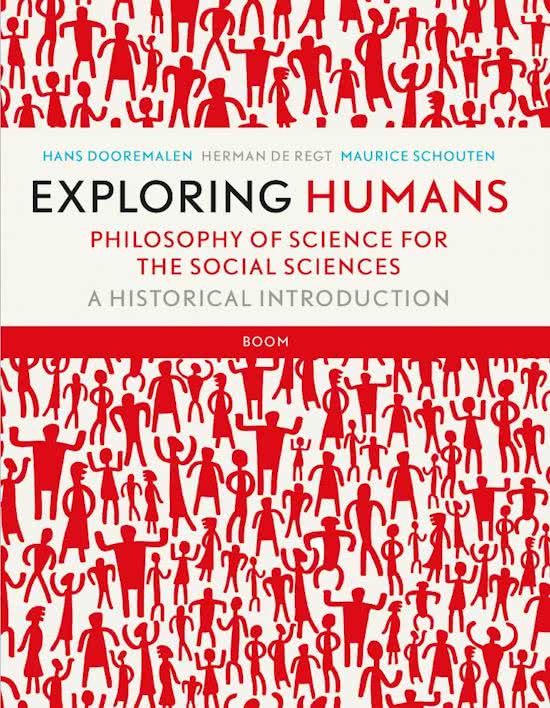
Boek: exploring humans
,Inhoudsopgave
1.1 Introductie........................................................................................................ 4
1.2 Plato’s rationalisme.......................................................................................... 4
1.3 Aristoteles empirie........................................................................................... 5
2.1 Introductie........................................................................................................ 6
2.2 Het Aristoteles- middeleeuws wereldbeeld.......................................................6
2.3 Bacon’s nieuwe methodologie..........................................................................7
2.4 De wetenschappelijke revolutie........................................................................8
2.5 Inventarisatie: De hoofdkarakters van de wetenschappelijke revolutie...........9
3.1 Introductie........................................................................................................ 9
3.2 René Descartes................................................................................................ 9
3.3 De Britse empiristen....................................................................................... 10
3.3.1 John Locke................................................................................................ 10
3.3.2 George Berkeley....................................................................................... 10
3.3 David Hume.................................................................................................... 11
4.1 Introductie...................................................................................................... 11
4.2 David Hume en de menselijke wetenschap....................................................12
4.2.1 Mijn eigen leven....................................................................................... 12
4.2.2 Hume’s filosofie........................................................................................ 12
4.3 Immanuel Kant en de limieten van kennis.....................................................14
4.3.1 Kants kritiek op pure reden......................................................................14
4.3.2 Bij voorbaat synthetisch...........................................................................14
4.3.3 De oorzakelijke en fenomenale wereld.....................................................15
4.3.4 De logische fases van kennis...................................................................15
4.3.5 De limieten van rede................................................................................ 16
5.1 Introductie...................................................................................................... 16
5.2 Positivisme..................................................................................................... 16
5.3 Positivisme en de sociale wetenschap............................................................17
5.4 Sociale wetenschap vs. natuurwetenschap. Onderwerpen vs. objecten........17
5.5 Hermeneutiek................................................................................................. 17
5.6 Verstehen: een methode voor de sociale wetenschap...................................18
5.7 Verstehen onder aanval................................................................................. 18
6.1 De Weiner Kreis.............................................................................................. 18
6.2 In de richting van kritiek op de metafysica....................................................19
6.3 Het formele en het feitelijke...........................................................................19
6.4 Verificatie als afbakening............................................................................... 19
6.5 Een nieuwe taakomschrijving voor de filosofen..............................................19
6.6 Wittgenstein her beoordeeld..........................................................................20
6.7 Fenomenale basis voor de wetenschap..........................................................20
1
,6.8 Fysicalisme..................................................................................................... 20
6.9 Fysicalistische basis voor de wetenschap.......................................................20
6.10 Uniforme wetenschap................................................................................... 21
7.1 Introductie...................................................................................................... 21
7.2 Popper en de Weiner Kreis.............................................................................. 21
7.3 Het cruciale jaar 1919.................................................................................... 22
7.3.1 Poppers botsing met het Marxisme..........................................................22
7.3.2 Popper ontmoet Alfred Adler....................................................................22
7.3.3 Popper en de buiging van het licht...........................................................22
7.4 Van verificatie, via bevestiging naar falsificatie(vervalsing)...........................22
7.5 Falsicationisme............................................................................................... 23
7.5.1 Falsifieerbaarheid is een passende criterium voor afbakening.................23
7.5.2 Alleen theorieën die falsifieerbaar zijn, zijn informatief...........................23
7.5.3 Onvolmaaktheid....................................................................................... 23
7.5.4 Kennis groeit door vermoedens en weerleggingen, vallen en opstaan... .24
7.6 Kritisch rationalisme....................................................................................... 24
7.7 Het rationaliteit principe in de sociale wetenschap........................................24
7.8 Bekritiseren van het kritisch rationalisme......................................................24
7.8.1 Tijdelijke immunisatie is geen misdaad....................................................24
7.8.2 Pseudowetenschap maakt vaak falsifieerbare beweringen......................24
7.8.3 Het vervangen van een foute theorie voor een andere foute theorie is
geen vooruitgang.............................................................................................. 24
7.8.4 Deductief testen verondersteld inductie..................................................25
8.1 Introductie...................................................................................................... 25
8.2 Ludwig Wittgenstein – filosofisch onderzoek..................................................25
8.2.1 Het belangrijkste verschil tussen de vroege en late Wittgenstein............25
8.2.2 Wittgenstein’s privé taal argument..........................................................26
8.3 Verdere ondersteuning van het relativisme....................................................26
8.3.1 Een resultaat van de psychologie: theorie geladenheid...........................26
8.3.2 De Sapir-Whorf hypothese van taalkunde................................................26
8.4 Thomas Kuhn’s kijk op wetenschap................................................................26
8.4.1 Patronen in de wetenschappelijke ontwikkeling.......................................26
8..4.2 Normale wetenschap............................................................................... 27
8.4.3 Crisis........................................................................................................ 27
8.4.4 Wetenschappelijke revolutie....................................................................27
8.4.5 Groei van kennis....................................................................................... 27
8.4.6 onmeetbaarheid/onvergelijkbaarheid.......................................................28
8.4.7 Waarom een paradigmatische verschuiving een revolutie is...................28
9.1 Introductie...................................................................................................... 28
2
, 9.2 Het demarcatiecriterium of het grenscriterium..............................................28
9.3 Lakatos antwoordt op Popper en Kuhn...........................................................28
9.4 Drie variaties van het falsificationisme..........................................................29
9.4.1 Dogmatische falsificationisme..................................................................29
9.4.2 Methodologische falsificationisme............................................................29
9.4.3 Verfijnde falsificationisme........................................................................30
9.5 Onderzoeksprogramma’s............................................................................... 30
9.6 Kuhn’s reactie op Lakatos............................................................................... 31
9.7 Paul Feyerabend’s methodologische anarchisme...........................................31
9.8 Een anarchistische kennistheorie...................................................................31
9.9 Methodologische anarchie versus de wetenschappelijke methode................31
9.10 De Sokal Hoax.............................................................................................. 32
11.1 Introductie.................................................................................................... 32
11.2 Verwarring over de eenheid van het pragmatisme......................................32
11.3 Oorsprong van de term pragmatisme..........................................................33
11.4 Pierce’s fixatie van overtuigingen(beliefs)....................................................33
11.4.1 Methode van overtuigingfixatie.................................................................33
11.4.2 De pragmatische stelregel........................................................................34
11.4.3 Pragmatisme, waarheid en werkelijkheid..................................................34
11.9 James over waarheid en werkelijkheid.........................................................35
11.10 De ethiek van overtuigingen......................................................................35
11.11 Pragmatisme en de wetenschap................................................................35
Intermezzo: Darwins evolutietheorie....................................................................35
Evolutietheorie voor Darwin................................................................................. 35
Charles Darwin: evolutie via natuurlijke selectie..................................................36
Bezwaren tegen Darwins theorie..........................................................................36
Neodarwinisme..................................................................................................... 36
12.5 Darwinistische epistemologie en genaturaliseerde wetenschapsfilosofie....37
3
filosofie
Boek: exploring humans
,Inhoudsopgave
1.1 Introductie........................................................................................................ 4
1.2 Plato’s rationalisme.......................................................................................... 4
1.3 Aristoteles empirie........................................................................................... 5
2.1 Introductie........................................................................................................ 6
2.2 Het Aristoteles- middeleeuws wereldbeeld.......................................................6
2.3 Bacon’s nieuwe methodologie..........................................................................7
2.4 De wetenschappelijke revolutie........................................................................8
2.5 Inventarisatie: De hoofdkarakters van de wetenschappelijke revolutie...........9
3.1 Introductie........................................................................................................ 9
3.2 René Descartes................................................................................................ 9
3.3 De Britse empiristen....................................................................................... 10
3.3.1 John Locke................................................................................................ 10
3.3.2 George Berkeley....................................................................................... 10
3.3 David Hume.................................................................................................... 11
4.1 Introductie...................................................................................................... 11
4.2 David Hume en de menselijke wetenschap....................................................12
4.2.1 Mijn eigen leven....................................................................................... 12
4.2.2 Hume’s filosofie........................................................................................ 12
4.3 Immanuel Kant en de limieten van kennis.....................................................14
4.3.1 Kants kritiek op pure reden......................................................................14
4.3.2 Bij voorbaat synthetisch...........................................................................14
4.3.3 De oorzakelijke en fenomenale wereld.....................................................15
4.3.4 De logische fases van kennis...................................................................15
4.3.5 De limieten van rede................................................................................ 16
5.1 Introductie...................................................................................................... 16
5.2 Positivisme..................................................................................................... 16
5.3 Positivisme en de sociale wetenschap............................................................17
5.4 Sociale wetenschap vs. natuurwetenschap. Onderwerpen vs. objecten........17
5.5 Hermeneutiek................................................................................................. 17
5.6 Verstehen: een methode voor de sociale wetenschap...................................18
5.7 Verstehen onder aanval................................................................................. 18
6.1 De Weiner Kreis.............................................................................................. 18
6.2 In de richting van kritiek op de metafysica....................................................19
6.3 Het formele en het feitelijke...........................................................................19
6.4 Verificatie als afbakening............................................................................... 19
6.5 Een nieuwe taakomschrijving voor de filosofen..............................................19
6.6 Wittgenstein her beoordeeld..........................................................................20
6.7 Fenomenale basis voor de wetenschap..........................................................20
1
,6.8 Fysicalisme..................................................................................................... 20
6.9 Fysicalistische basis voor de wetenschap.......................................................20
6.10 Uniforme wetenschap................................................................................... 21
7.1 Introductie...................................................................................................... 21
7.2 Popper en de Weiner Kreis.............................................................................. 21
7.3 Het cruciale jaar 1919.................................................................................... 22
7.3.1 Poppers botsing met het Marxisme..........................................................22
7.3.2 Popper ontmoet Alfred Adler....................................................................22
7.3.3 Popper en de buiging van het licht...........................................................22
7.4 Van verificatie, via bevestiging naar falsificatie(vervalsing)...........................22
7.5 Falsicationisme............................................................................................... 23
7.5.1 Falsifieerbaarheid is een passende criterium voor afbakening.................23
7.5.2 Alleen theorieën die falsifieerbaar zijn, zijn informatief...........................23
7.5.3 Onvolmaaktheid....................................................................................... 23
7.5.4 Kennis groeit door vermoedens en weerleggingen, vallen en opstaan... .24
7.6 Kritisch rationalisme....................................................................................... 24
7.7 Het rationaliteit principe in de sociale wetenschap........................................24
7.8 Bekritiseren van het kritisch rationalisme......................................................24
7.8.1 Tijdelijke immunisatie is geen misdaad....................................................24
7.8.2 Pseudowetenschap maakt vaak falsifieerbare beweringen......................24
7.8.3 Het vervangen van een foute theorie voor een andere foute theorie is
geen vooruitgang.............................................................................................. 24
7.8.4 Deductief testen verondersteld inductie..................................................25
8.1 Introductie...................................................................................................... 25
8.2 Ludwig Wittgenstein – filosofisch onderzoek..................................................25
8.2.1 Het belangrijkste verschil tussen de vroege en late Wittgenstein............25
8.2.2 Wittgenstein’s privé taal argument..........................................................26
8.3 Verdere ondersteuning van het relativisme....................................................26
8.3.1 Een resultaat van de psychologie: theorie geladenheid...........................26
8.3.2 De Sapir-Whorf hypothese van taalkunde................................................26
8.4 Thomas Kuhn’s kijk op wetenschap................................................................26
8.4.1 Patronen in de wetenschappelijke ontwikkeling.......................................26
8..4.2 Normale wetenschap............................................................................... 27
8.4.3 Crisis........................................................................................................ 27
8.4.4 Wetenschappelijke revolutie....................................................................27
8.4.5 Groei van kennis....................................................................................... 27
8.4.6 onmeetbaarheid/onvergelijkbaarheid.......................................................28
8.4.7 Waarom een paradigmatische verschuiving een revolutie is...................28
9.1 Introductie...................................................................................................... 28
2
, 9.2 Het demarcatiecriterium of het grenscriterium..............................................28
9.3 Lakatos antwoordt op Popper en Kuhn...........................................................28
9.4 Drie variaties van het falsificationisme..........................................................29
9.4.1 Dogmatische falsificationisme..................................................................29
9.4.2 Methodologische falsificationisme............................................................29
9.4.3 Verfijnde falsificationisme........................................................................30
9.5 Onderzoeksprogramma’s............................................................................... 30
9.6 Kuhn’s reactie op Lakatos............................................................................... 31
9.7 Paul Feyerabend’s methodologische anarchisme...........................................31
9.8 Een anarchistische kennistheorie...................................................................31
9.9 Methodologische anarchie versus de wetenschappelijke methode................31
9.10 De Sokal Hoax.............................................................................................. 32
11.1 Introductie.................................................................................................... 32
11.2 Verwarring over de eenheid van het pragmatisme......................................32
11.3 Oorsprong van de term pragmatisme..........................................................33
11.4 Pierce’s fixatie van overtuigingen(beliefs)....................................................33
11.4.1 Methode van overtuigingfixatie.................................................................33
11.4.2 De pragmatische stelregel........................................................................34
11.4.3 Pragmatisme, waarheid en werkelijkheid..................................................34
11.9 James over waarheid en werkelijkheid.........................................................35
11.10 De ethiek van overtuigingen......................................................................35
11.11 Pragmatisme en de wetenschap................................................................35
Intermezzo: Darwins evolutietheorie....................................................................35
Evolutietheorie voor Darwin................................................................................. 35
Charles Darwin: evolutie via natuurlijke selectie..................................................36
Bezwaren tegen Darwins theorie..........................................................................36
Neodarwinisme..................................................................................................... 36
12.5 Darwinistische epistemologie en genaturaliseerde wetenschapsfilosofie....37
3