LAQs - Ana Sofia Miranda
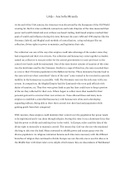
At the end of the 15th century, the Americas were discovered by the Europeans of the Old World
creating for the first time worldwide connections and trade. Empires of the time measured their
power and wealth inland and even without sea-based trading, land-based empires reached their
peak of wealth and influence during this time. Between the years 1450 and 1750 empires like the
Ottoman, Safavid, and Mughal used methods of centralization, using techniques like tax
collection, divine rights to power to maintain, and legitimize their rule.
Tax collection was one of the ways that empires could take advantage of the weaker states they
had conquered and their own citizens. Tax collection and bureaucracy come together as leaders
named tax collectors to execute orders for the central governments in outer provinces so the
control over lands could be maintained. One of the most known systems of taxation of this time
was the devshirme used by the Ottomans. Similar to a type of blood tax, the state recruited boys
as a tax to their Christian population in the Balkan territories. These Janissaries became loyal to
the state and even when considered “slaves of the state” some wanted to be recruited as upwards
mobility in the bureaucracy as possible. Still, The Ottomans were not the only ones with a tax
system. In comparison, the Mughal Empire had the Zaminards who were paid officials with
duties of taxation, etc. They first were given lands as pay but later could start to keep a portion
of the tax they collected for their own. Others began to collect more than needed for their
personal gain and to construct their own armies etc. Taxes allowed these and many more
empires to establish a controlled bureaucracy with bureaucratic elites and a developing
expanding military. Being able to show their control over their land and population while
gaining goods from their conquered.
With taxation, these empires could maintain their control over the population but power needs
to be legitimized and it was done through religion. During this time it was a dominant force that
had the power to divide and unifying force in the world. In Europe, rulers used the idea of the
divine right to monarchy to maintain control. This means that God was the one who mandated
the king to rule over the land. Many converted to solidify power and ensure peace over the
diverse population. As religious toleration became each time more necessary with the different
branches of religion that continued to divide. Europe was not the only one to use this idea as in
the Middle East with Islam rulers were caliphs which means they are descendants of Muhhamad
At the end of the 15th century, the Americas were discovered by the Europeans of the Old World
creating for the first time worldwide connections and trade. Empires of the time measured their
power and wealth inland and even without sea-based trading, land-based empires reached their
peak of wealth and influence during this time. Between the years 1450 and 1750 empires like the
Ottoman, Safavid, and Mughal used methods of centralization, using techniques like tax
collection, divine rights to power to maintain, and legitimize their rule.
Tax collection was one of the ways that empires could take advantage of the weaker states they
had conquered and their own citizens. Tax collection and bureaucracy come together as leaders
named tax collectors to execute orders for the central governments in outer provinces so the
control over lands could be maintained. One of the most known systems of taxation of this time
was the devshirme used by the Ottomans. Similar to a type of blood tax, the state recruited boys
as a tax to their Christian population in the Balkan territories. These Janissaries became loyal to
the state and even when considered “slaves of the state” some wanted to be recruited as upwards
mobility in the bureaucracy as possible. Still, The Ottomans were not the only ones with a tax
system. In comparison, the Mughal Empire had the Zaminards who were paid officials with
duties of taxation, etc. They first were given lands as pay but later could start to keep a portion
of the tax they collected for their own. Others began to collect more than needed for their
personal gain and to construct their own armies etc. Taxes allowed these and many more
empires to establish a controlled bureaucracy with bureaucratic elites and a developing
expanding military. Being able to show their control over their land and population while
gaining goods from their conquered.
With taxation, these empires could maintain their control over the population but power needs
to be legitimized and it was done through religion. During this time it was a dominant force that
had the power to divide and unifying force in the world. In Europe, rulers used the idea of the
divine right to monarchy to maintain control. This means that God was the one who mandated
the king to rule over the land. Many converted to solidify power and ensure peace over the
diverse population. As religious toleration became each time more necessary with the different
branches of religion that continued to divide. Europe was not the only one to use this idea as in
the Middle East with Islam rulers were caliphs which means they are descendants of Muhhamad