Baron-Cohen et al. 1997
Triad of
imparment
Social Communicatio Imagination
Interaction n (eg. delayed (eg.lack of
(eg. poor language) pretend play)
attachments)
Genes Refrigerator
Chromosone
abnormalities parents
Enviro
MMR vaccine Catalyst
Theories
of autism Cogntive deficit=
Extreme male way brain is wired
brain
•"Theory of mind"
Background
Carried out previous test on autistic
children
Sally-Anne test
Showed children did not have
theory of mind skills
However didn’t help with more
advanced adult brain
Aim
Study was to see if high functioning
adults with autism would be
impaired on the theory-of-mind task
called the “Eye task”
, Baron-Cohen et al. 1997
Method Quasi experiment
Participants (independent Variable)
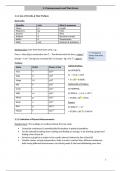
Group PTTS (Size of group) Mean age Men / women Selection
1 High functioning autistics 28.6 13/3 National autistic society
(16) mag + clinics
2 Normal (50) 30 25/25 Subject panel in uni
(random)
3 Tourettes syndrome (10) 27.77 8/2 London Referral centre
PPTS TESTED
o In their homes
o Researchers clinic
o Lab at uni
Eye task
Magazine photos 15X10cm
Included a foil word = exact opposite of what the emotion was
Only showed eyes + half of nose
25 questions asked
Verified by 8 judges blind to the hypothesis of the study
2 possible answers per question (opposites i.e. calm and hyper)
“Pure” Theory of mind test
Happe’s strange stories
Used to test imagination
Used to see if autistics are autistics
Two control tasks check if performance in eye task was due to other factors
Gender recognition task see if issues in eye task where down to face or
social perception instead of Theory of mind
Basic emotion recognition sees if issues in eye task where down to
recognising basic emotion expression.
Results
Eye task = Group 1 did worse than 2 + 3 (Woman did better than men).
Strange stories= Tourette made no errors unlike autistics
Gender and emotion task= no differences
Conclusion
Females did better than males on TOM test
, Baron-Cohen et al. 1997
High functioning autistics were impaired with TOM even though they
have a high or normal IQ
Evaluation
Usefulness
o Supports advance test of TOM
o Shows subtle differences in TOM between groups
Validity
o Lack ecological validity kept control over variables
Some PPTS tested in different locations
Holistic
o Not only looked at autistics and normal but also looked at another
mental condition to compare
Ethical
o No= put in stressful condition which they knew some autistics
couldn’t answer
Applications
o Help to understand more mental conditions
o Maybe led to solve it
o How to deal with people who have this condition and know what
they can and can’t do
Key words
Asperger’s syndrome= a mild version of autism
Theory of mind or TOM= an individuals theory about how minds in general
work, including their own and other people.
Sally-Anne test= a simple test involving dolls. Helped to know if a child is autistic.
Order effects = effects such as improvement, boredom or tiredness that occur as
a result of the order in which conditions for task are experimented.
Quasi experiment= an experiment when the independent variable occurs
naturally without the need to manipulate it by the experimenter.
Refrigerator parents= parents who don’t stimulate their children.
Triad of
imparment
Social Communicatio Imagination
Interaction n (eg. delayed (eg.lack of
(eg. poor language) pretend play)
attachments)
Genes Refrigerator
Chromosone
abnormalities parents
Enviro
MMR vaccine Catalyst
Theories
of autism Cogntive deficit=
Extreme male way brain is wired
brain
•"Theory of mind"
Background
Carried out previous test on autistic
children
Sally-Anne test
Showed children did not have
theory of mind skills
However didn’t help with more
advanced adult brain
Aim
Study was to see if high functioning
adults with autism would be
impaired on the theory-of-mind task
called the “Eye task”
, Baron-Cohen et al. 1997
Method Quasi experiment
Participants (independent Variable)
Group PTTS (Size of group) Mean age Men / women Selection
1 High functioning autistics 28.6 13/3 National autistic society
(16) mag + clinics
2 Normal (50) 30 25/25 Subject panel in uni
(random)
3 Tourettes syndrome (10) 27.77 8/2 London Referral centre
PPTS TESTED
o In their homes
o Researchers clinic
o Lab at uni
Eye task
Magazine photos 15X10cm
Included a foil word = exact opposite of what the emotion was
Only showed eyes + half of nose
25 questions asked
Verified by 8 judges blind to the hypothesis of the study
2 possible answers per question (opposites i.e. calm and hyper)
“Pure” Theory of mind test
Happe’s strange stories
Used to test imagination
Used to see if autistics are autistics
Two control tasks check if performance in eye task was due to other factors
Gender recognition task see if issues in eye task where down to face or
social perception instead of Theory of mind
Basic emotion recognition sees if issues in eye task where down to
recognising basic emotion expression.
Results
Eye task = Group 1 did worse than 2 + 3 (Woman did better than men).
Strange stories= Tourette made no errors unlike autistics
Gender and emotion task= no differences
Conclusion
Females did better than males on TOM test
, Baron-Cohen et al. 1997
High functioning autistics were impaired with TOM even though they
have a high or normal IQ
Evaluation
Usefulness
o Supports advance test of TOM
o Shows subtle differences in TOM between groups
Validity
o Lack ecological validity kept control over variables
Some PPTS tested in different locations
Holistic
o Not only looked at autistics and normal but also looked at another
mental condition to compare
Ethical
o No= put in stressful condition which they knew some autistics
couldn’t answer
Applications
o Help to understand more mental conditions
o Maybe led to solve it
o How to deal with people who have this condition and know what
they can and can’t do
Key words
Asperger’s syndrome= a mild version of autism
Theory of mind or TOM= an individuals theory about how minds in general
work, including their own and other people.
Sally-Anne test= a simple test involving dolls. Helped to know if a child is autistic.
Order effects = effects such as improvement, boredom or tiredness that occur as
a result of the order in which conditions for task are experimented.
Quasi experiment= an experiment when the independent variable occurs
naturally without the need to manipulate it by the experimenter.
Refrigerator parents= parents who don’t stimulate their children.