1
, Branding Summaries
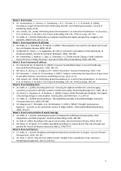
Week 1: Swaminathan, V., Sorescu, A., Steenkamp, J. B. E., O’Guinn, T. C. G., &
Schmitt, B. (2020). Branding in a hyperconnected world: Refocusing theories and
rethinking boundaries. Journal of Marketing, 84(2), 24-46.
—> The article describes how hyperconnectivity has led to several new roles for
brands and reexamines how some traditional roles of brands have changed in a
hyperconnected environment.
Main Research Questions:
1. What are the roles and functions of brands?
2. How is brand value (co)created?
3. How should brands be managed?
Hyperconnectivity
= proliferation of networks of people, devices, and other entities, as well as the
continuous access to other people, machines, and organizations, regardless of time
or location
- manner in which consumers interact with brands is constantly changing due to
the rise of digitally native brands
- brands are shifting away from single to shared ownership, as tightened access to
information and people is allowing more stakeholders to concrete brand
experiences and brand meanings alongside traditional brand owners
- existing brands expand their geographic reach and societal roles, while new
types of branded entities are further stretching the branding space (“broadening
of branding boundaries”)
Key Theoretical Perspectives in the Branding Literature
1. Firm Perspective
= views brands as assets and examines the various functions and roles that brands
serve for rms (strategically and nancially)
2
fi fi
, - strategic approach: key issues are development and implementation of brand
identity, positioning, growth and more; how to e ectively construct and manage
brand portfolios or how to extend brands into new categories or as new brands,
sub-brands, etc.
- nancial approach: focuses mainly on measuring the e ect of brand equity and
branding actions on the stock market value of rms
2. Consumer Perspective
= views brands as signals (economic approach) and mental knowledge cues
(psychological approach)
- economic approach: important issues include how a multi-product rm can brand
a new product, the relationship between the reputation of the new product and
that established by the rm in other markets, and the perceived quality of a new
product
- psychological approach: proposes that brand equity resides in the minds of
consumers; brand knowledge is made up of brand awareness and brand image
3. Society Perspective
= views brands in societal and cultural contexts a ecting individual consumers both
directly and indirectly through social forces, structures, and institutions
- sociological approach: mainly focuses on brands as portable containers of
meaning that are shaped by institutions and collectives from the time the brand is
conceived, produced, and marketed, through the post purchase stage (typically
models are dynamic and recursive)
- cultural approach: branded goods, as cultural meaning producers, enhance
consumers’ lives; addresses the dynamic relationships among consumer actions,
the marketplace, and cultural meanings
Boundaries of Branding
1. Information Availability and Speed of Information Dissemination: search costs,
which used to be high, have decreased tremendously; volume of information
can lead to information overload
2. Networks of People and Devices, and Growth of Platforms: rms now compete
with other stakeholders (consumer reviews, etc.)
3
fi fi fiff ff ff fi fi
, 3. Device-to-Device Connectivity: brand experiences have become more complex,
brands themselves are now an integral component of networks
Blurring vs. Broadening of Branding
- blurring: brand stakeholders are increasingly shaping various aspects of product
and marketing-mix activities; blurring of brand boundaries is a key consequence
of the rise of the sharing economy
- broadening: reach of both traditional brands and newer branded entities has
broadened to include stockholders who have not necessarily been consistently
targeted in the past (e.g. employees, donors, etc.)
Shifts in Branding
1. Rethinking the Roles and the Functions of Brands
- information asymmetry between brand owners and consumers has decreased
(lower search costs); brand’s quality signal could face interference from
alternative signals of quality derived from the collective reviews and opinions
available online
- understanding of brand information processing may need to be augmented and
extended (especially dual-processing models)
- consumers can now adopt multiple personae on their devices and change their
identities frequently
- brands are increasingly becoming activist tools aligned with various social and
political issues
- brands have started to become embedded in complex networks consisting of
users, partners, co-creators, and co-owners
- hyperconnectivity has increased the potential for individuals to establish and join
brand communities, be it newer types that are appearing on social networks or
communities established by traditional brands online
- hyperconnectivity has not only a orded brands the opportunity to have a stronger
voice but also reduced their ability to stay away from controversial topics
- brands are now able to collect various data on consumers, which some brands
have misused in the past and continue to do so
4
ff
, Branding Summaries
Week 1: Swaminathan, V., Sorescu, A., Steenkamp, J. B. E., O’Guinn, T. C. G., &
Schmitt, B. (2020). Branding in a hyperconnected world: Refocusing theories and
rethinking boundaries. Journal of Marketing, 84(2), 24-46.
—> The article describes how hyperconnectivity has led to several new roles for
brands and reexamines how some traditional roles of brands have changed in a
hyperconnected environment.
Main Research Questions:
1. What are the roles and functions of brands?
2. How is brand value (co)created?
3. How should brands be managed?
Hyperconnectivity
= proliferation of networks of people, devices, and other entities, as well as the
continuous access to other people, machines, and organizations, regardless of time
or location
- manner in which consumers interact with brands is constantly changing due to
the rise of digitally native brands
- brands are shifting away from single to shared ownership, as tightened access to
information and people is allowing more stakeholders to concrete brand
experiences and brand meanings alongside traditional brand owners
- existing brands expand their geographic reach and societal roles, while new
types of branded entities are further stretching the branding space (“broadening
of branding boundaries”)
Key Theoretical Perspectives in the Branding Literature
1. Firm Perspective
= views brands as assets and examines the various functions and roles that brands
serve for rms (strategically and nancially)
2
fi fi
, - strategic approach: key issues are development and implementation of brand
identity, positioning, growth and more; how to e ectively construct and manage
brand portfolios or how to extend brands into new categories or as new brands,
sub-brands, etc.
- nancial approach: focuses mainly on measuring the e ect of brand equity and
branding actions on the stock market value of rms
2. Consumer Perspective
= views brands as signals (economic approach) and mental knowledge cues
(psychological approach)
- economic approach: important issues include how a multi-product rm can brand
a new product, the relationship between the reputation of the new product and
that established by the rm in other markets, and the perceived quality of a new
product
- psychological approach: proposes that brand equity resides in the minds of
consumers; brand knowledge is made up of brand awareness and brand image
3. Society Perspective
= views brands in societal and cultural contexts a ecting individual consumers both
directly and indirectly through social forces, structures, and institutions
- sociological approach: mainly focuses on brands as portable containers of
meaning that are shaped by institutions and collectives from the time the brand is
conceived, produced, and marketed, through the post purchase stage (typically
models are dynamic and recursive)
- cultural approach: branded goods, as cultural meaning producers, enhance
consumers’ lives; addresses the dynamic relationships among consumer actions,
the marketplace, and cultural meanings
Boundaries of Branding
1. Information Availability and Speed of Information Dissemination: search costs,
which used to be high, have decreased tremendously; volume of information
can lead to information overload
2. Networks of People and Devices, and Growth of Platforms: rms now compete
with other stakeholders (consumer reviews, etc.)
3
fi fi fiff ff ff fi fi
, 3. Device-to-Device Connectivity: brand experiences have become more complex,
brands themselves are now an integral component of networks
Blurring vs. Broadening of Branding
- blurring: brand stakeholders are increasingly shaping various aspects of product
and marketing-mix activities; blurring of brand boundaries is a key consequence
of the rise of the sharing economy
- broadening: reach of both traditional brands and newer branded entities has
broadened to include stockholders who have not necessarily been consistently
targeted in the past (e.g. employees, donors, etc.)
Shifts in Branding
1. Rethinking the Roles and the Functions of Brands
- information asymmetry between brand owners and consumers has decreased
(lower search costs); brand’s quality signal could face interference from
alternative signals of quality derived from the collective reviews and opinions
available online
- understanding of brand information processing may need to be augmented and
extended (especially dual-processing models)
- consumers can now adopt multiple personae on their devices and change their
identities frequently
- brands are increasingly becoming activist tools aligned with various social and
political issues
- brands have started to become embedded in complex networks consisting of
users, partners, co-creators, and co-owners
- hyperconnectivity has increased the potential for individuals to establish and join
brand communities, be it newer types that are appearing on social networks or
communities established by traditional brands online
- hyperconnectivity has not only a orded brands the opportunity to have a stronger
voice but also reduced their ability to stay away from controversial topics
- brands are now able to collect various data on consumers, which some brands
have misused in the past and continue to do so
4
ff