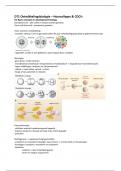
Lectures Pathology deeltentamen II
Index
Lecture 1 – Chapter 15: Pathology of the digestive tract........................................................................ 2
Lecture 2 – Chapter 15: The lung .......................................................................................................... 12
Lecture 3 – Chapter 12: The hematopoietic and lymphoid systems Part I .......................................... 24
Lecture 4 – Chapter 12: The hematopoietic and lymphoid systems Part II .......................................... 32
Lecture 5 – Chapter 10: Atherosclerosis and Chapter 11: The heart .................................................... 39
Lecture 6 – Chapter 19: The Female genital system ............................................................................. 53
Lecture 7 – Chapter 23: Neuropathology .............................................................................................. 64
Lecture 8 – Chapter 23: Prion disease and neurodegenerative diseases ............................................. 75
1
,Lecture 1 – Chapter 15: Pathology of the digestive tract
PART I – UPPER DIGESTIVE TRACT
Normal esophagus
- The junction between esophagus and stomach epithelium → Z-line.
- Different layers:
o Mucosa:
▪ Luminal part → Squamous epithelium.
• Squamous cells stacked on top of each other.
• At the bottom of the epithelium (just above the lamina propria)
proliferation of the squamous epithelium occurs.
• The cells differentiate and migrate towards the lumen side (surface)
of the epithelium.
▪ Lamina propria.
▪ Muscularis mucosa.
o Submucosa:
▪ Fatty tissue.
▪ Fibroblasts.
▪ Blood vessels.
▪ Nerves.
o Circular muscular layer.
o Longitudinal muscular layer.
o Adventitia → Outside layer.
▪ Mainly fatty tissue.
▪ Layer that neighbors the other organs.
Development of esophageal carcinoma:
- 2 types of carcinoma:
o Esophagitis → Intestinal metaplasia → Dysplasia → Adenocarcinoma.
▪ Esophagitis → Reflux of fluids from the stomach, can start inflammation.
▪ Intestinal metaplasia → Cells differentiate in another direction because of
the inflammation in order to protect the esophagus from the acid.
• We call it intestinal because the cells start to differentiate into cells
that look similar to the epithelial cells of the stomach → Cylindrical
cells.
o Dysplasia → Squamous cell carcinoma.
- Very different kinds and they have different behaviors.
o Treated in different ways because they have different molecular backgrounds.
- You would expect that the cancer cells deprive from the cells the epithelium is made of thus
→ Squamous epithelium.
o However, this type of cancer is very rare.
- Instead the squamous epithelium start to change to
intestinal epithelium and this epithelium can give rise to a
tumor leading to → Adenocarcinoma.
o Most prevalent one.
2
,Reflux esophagitis
- Phase 1 → Inflammation.
o Hyperemia → Increased blood flow.
o Granulocytes → Neutrophils.
▪ Leads to a very crowded lamina propria.
o In severe cases ulceration.
- Phase 2 → Metaplasia and (chronic) inflammation.
o When the reflux and thus the inflammation becomes chronic.
o Metaplasia → Replacement of a differentiated cell type by another
differentiated cell type.
o The new cells look like bowel cylindrical epithelium.
▪ These cells form glands that produce mucus.
▪ These cells are not neoplastic → Don’t have
any molecular changes in the genome.
o Metaplasia → Normal cells but in the wrong place.
Intestinal metaplasia
- Squamous epithelium is replaced by intestinal
type epithelium.
- Barret esophagus = Intestinal metaplasia.
o Close to the junction between esophagus
and stomach the esophagus wall is red →
Indication of intestinal metaplasia.
Dysplasia of intestinal metaplasia
- Dysplasia → Abnormal growth.
o Now it becomes dangerous → Risk to develop cancer.
- Cytonuclear atypia → Abnormal nucleus.
o Large nuclei.
o Irregular shape of nuclei.
o Coarse chromatin pattern.
- When the dysplasia progresses, you won’t recognize the goblets cells anymore
because of mutations.
- Dysplasia is still not an invasive cancer but the cells do have abnormal DNA because of
mutations.
o The cells are still located on the right space where they should be.
Adenocarcinoma of the esophagus → Barrett carcinoma.
- The cells are now invasive and they migrate into the deeper layers of the esophagus.
3
, Dysplasia of squamous epithelium
- Usually located a little bit higher in the esophagus than
adenocarcinoma.
- Same characteristics as dysplasia of intestinal metaplasia:
o Abnormal shape of the nucleus.
o Large nucleus.
o Coarse chromatin pattern.
- Dysplasia is only in the squamous epithelium and no other layers.
Squamous cell carcinoma
- The abnormal cells start to invade the other layers of the esophagus.
- Deeper invasion → Poor prognosis.
Normal stomach
- Your stomach has folds so it can expand when you eat.
- Gastric mucosa → Histology.
o Stomach is lined with cylindrical epithelium.
o On top → Foveolar layer.
▪ Gastric pits.
▪ Mucus cells.
o Glandular layer
▪ Many different cells.
▪ Most important cells → Parietal cells →
Make acid and intrinsic factor.
o Smooth muscle layer.
- Lamina propria is not really an layer but is very little between the glandular cells to give
support.
- Histology of the antrum → Lower part of the stomach.
o Have the same layers as the rest of the
stomach.
o Difference → In the glandular layer there
are no parietal cells, instead it contains
hormone producing cells that produce
gastrin → Stimulates the parietal cells in the
corpus of the stomach to produce acid.
Inflammation of the gastric mucosa → Gastritis.
- Acute gastritis:
o H. pylori.
o Alcohol.
o NSAID → Anti-inflammatories.
- Auto-immune gastritis.
- Others:
o Granulomatous gastritis, Crohn’s disease.
o Lymphocytic gastritis.
o Others.
4
Index
Lecture 1 – Chapter 15: Pathology of the digestive tract........................................................................ 2
Lecture 2 – Chapter 15: The lung .......................................................................................................... 12
Lecture 3 – Chapter 12: The hematopoietic and lymphoid systems Part I .......................................... 24
Lecture 4 – Chapter 12: The hematopoietic and lymphoid systems Part II .......................................... 32
Lecture 5 – Chapter 10: Atherosclerosis and Chapter 11: The heart .................................................... 39
Lecture 6 – Chapter 19: The Female genital system ............................................................................. 53
Lecture 7 – Chapter 23: Neuropathology .............................................................................................. 64
Lecture 8 – Chapter 23: Prion disease and neurodegenerative diseases ............................................. 75
1
,Lecture 1 – Chapter 15: Pathology of the digestive tract
PART I – UPPER DIGESTIVE TRACT
Normal esophagus
- The junction between esophagus and stomach epithelium → Z-line.
- Different layers:
o Mucosa:
▪ Luminal part → Squamous epithelium.
• Squamous cells stacked on top of each other.
• At the bottom of the epithelium (just above the lamina propria)
proliferation of the squamous epithelium occurs.
• The cells differentiate and migrate towards the lumen side (surface)
of the epithelium.
▪ Lamina propria.
▪ Muscularis mucosa.
o Submucosa:
▪ Fatty tissue.
▪ Fibroblasts.
▪ Blood vessels.
▪ Nerves.
o Circular muscular layer.
o Longitudinal muscular layer.
o Adventitia → Outside layer.
▪ Mainly fatty tissue.
▪ Layer that neighbors the other organs.
Development of esophageal carcinoma:
- 2 types of carcinoma:
o Esophagitis → Intestinal metaplasia → Dysplasia → Adenocarcinoma.
▪ Esophagitis → Reflux of fluids from the stomach, can start inflammation.
▪ Intestinal metaplasia → Cells differentiate in another direction because of
the inflammation in order to protect the esophagus from the acid.
• We call it intestinal because the cells start to differentiate into cells
that look similar to the epithelial cells of the stomach → Cylindrical
cells.
o Dysplasia → Squamous cell carcinoma.
- Very different kinds and they have different behaviors.
o Treated in different ways because they have different molecular backgrounds.
- You would expect that the cancer cells deprive from the cells the epithelium is made of thus
→ Squamous epithelium.
o However, this type of cancer is very rare.
- Instead the squamous epithelium start to change to
intestinal epithelium and this epithelium can give rise to a
tumor leading to → Adenocarcinoma.
o Most prevalent one.
2
,Reflux esophagitis
- Phase 1 → Inflammation.
o Hyperemia → Increased blood flow.
o Granulocytes → Neutrophils.
▪ Leads to a very crowded lamina propria.
o In severe cases ulceration.
- Phase 2 → Metaplasia and (chronic) inflammation.
o When the reflux and thus the inflammation becomes chronic.
o Metaplasia → Replacement of a differentiated cell type by another
differentiated cell type.
o The new cells look like bowel cylindrical epithelium.
▪ These cells form glands that produce mucus.
▪ These cells are not neoplastic → Don’t have
any molecular changes in the genome.
o Metaplasia → Normal cells but in the wrong place.
Intestinal metaplasia
- Squamous epithelium is replaced by intestinal
type epithelium.
- Barret esophagus = Intestinal metaplasia.
o Close to the junction between esophagus
and stomach the esophagus wall is red →
Indication of intestinal metaplasia.
Dysplasia of intestinal metaplasia
- Dysplasia → Abnormal growth.
o Now it becomes dangerous → Risk to develop cancer.
- Cytonuclear atypia → Abnormal nucleus.
o Large nuclei.
o Irregular shape of nuclei.
o Coarse chromatin pattern.
- When the dysplasia progresses, you won’t recognize the goblets cells anymore
because of mutations.
- Dysplasia is still not an invasive cancer but the cells do have abnormal DNA because of
mutations.
o The cells are still located on the right space where they should be.
Adenocarcinoma of the esophagus → Barrett carcinoma.
- The cells are now invasive and they migrate into the deeper layers of the esophagus.
3
, Dysplasia of squamous epithelium
- Usually located a little bit higher in the esophagus than
adenocarcinoma.
- Same characteristics as dysplasia of intestinal metaplasia:
o Abnormal shape of the nucleus.
o Large nucleus.
o Coarse chromatin pattern.
- Dysplasia is only in the squamous epithelium and no other layers.
Squamous cell carcinoma
- The abnormal cells start to invade the other layers of the esophagus.
- Deeper invasion → Poor prognosis.
Normal stomach
- Your stomach has folds so it can expand when you eat.
- Gastric mucosa → Histology.
o Stomach is lined with cylindrical epithelium.
o On top → Foveolar layer.
▪ Gastric pits.
▪ Mucus cells.
o Glandular layer
▪ Many different cells.
▪ Most important cells → Parietal cells →
Make acid and intrinsic factor.
o Smooth muscle layer.
- Lamina propria is not really an layer but is very little between the glandular cells to give
support.
- Histology of the antrum → Lower part of the stomach.
o Have the same layers as the rest of the
stomach.
o Difference → In the glandular layer there
are no parietal cells, instead it contains
hormone producing cells that produce
gastrin → Stimulates the parietal cells in the
corpus of the stomach to produce acid.
Inflammation of the gastric mucosa → Gastritis.
- Acute gastritis:
o H. pylori.
o Alcohol.
o NSAID → Anti-inflammatories.
- Auto-immune gastritis.
- Others:
o Granulomatous gastritis, Crohn’s disease.
o Lymphocytic gastritis.
o Others.
4