IND2601 ASSIGNMENT 01-2022
FIRST SEEMESTER
Name: XXXXXXXXXXXXXXXXXXXX
Student number: XXXXXXXXXXXXXX
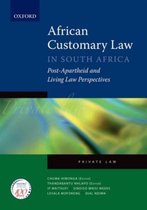
Subject: AFRICAN CUSTOMARY LAW
Code: IND2601
Due date: 15 March 2022
Assignment no: 01
ACADEMIC DECLARATION OF AUTHENTICITY
I, XXXXXXStudent number: XXXXXXX declare that I am the author of this
assignment in SCL1501.
By signing this declaration, I acknowledge that I am aware of what plagiarism is.
I declare that this assignment is my own, original work and that where I used other
information and resources, I did so in a responsible manner.
I did not plagiarize in any way and I have referenced and acknowledged any legal
resources that I have consulted and used to complete this assignment.
I did not use a current or previous student’s work submitting it as my own.
I did not allow anyone to copy my work and submit it as their own.
Furthermore, I acknowledge that I am aware of UNISA’s policy on plagiarism and
understand that if there is evidence of plagiarism within this document, UNISA will
take the necessary action.
, Date : 15 March 2022
Signature: XXXXXXXXX
1. Discuss the implications of section 211 of the constitution for the
recognition of customary law in South Africa.
The constitutional recognition of customary law in South Africa guarantees the
existence of courts that will be empowered to apply this law. Section 211(3) of the
Constitution of the Republic of South Africa, 1996, provides as follows:
“The courts must apply customary law when that law is applicable, subject to the
Constitution and any legislation that specifically deals with customary law.”
The Constitution basically recognises the following courts to apply customary law:
The Constitutional Court ;the Supreme Court of Appeal; the High Court and the
magistrates’ courts ; any other court established or recognised in terms of an Act of
parliament, including any court of a status similar to either the High Court or the
magistrates’ court. Courts of traditional authorities are established and recognised in
terms of the Black Administration Act. Moreover, the continuation of the courts of
traditional authorities are, by implication, guaranteed under section 211(1) and (2) of
the Constitution, which provides the following:
(1) The institution, status and role of traditional leadership, according to customary
law, are recognised, subject to the Constitution.
(2) A traditional authority that observes a system of customary law may function
subject to any applicable legislation and customs, which includes amendments to, or
repeal of that legislation or customs
FIRST SEEMESTER
Name: XXXXXXXXXXXXXXXXXXXX
Student number: XXXXXXXXXXXXXX
Subject: AFRICAN CUSTOMARY LAW
Code: IND2601
Due date: 15 March 2022
Assignment no: 01
ACADEMIC DECLARATION OF AUTHENTICITY
I, XXXXXXStudent number: XXXXXXX declare that I am the author of this
assignment in SCL1501.
By signing this declaration, I acknowledge that I am aware of what plagiarism is.
I declare that this assignment is my own, original work and that where I used other
information and resources, I did so in a responsible manner.
I did not plagiarize in any way and I have referenced and acknowledged any legal
resources that I have consulted and used to complete this assignment.
I did not use a current or previous student’s work submitting it as my own.
I did not allow anyone to copy my work and submit it as their own.
Furthermore, I acknowledge that I am aware of UNISA’s policy on plagiarism and
understand that if there is evidence of plagiarism within this document, UNISA will
take the necessary action.
, Date : 15 March 2022
Signature: XXXXXXXXX
1. Discuss the implications of section 211 of the constitution for the
recognition of customary law in South Africa.
The constitutional recognition of customary law in South Africa guarantees the
existence of courts that will be empowered to apply this law. Section 211(3) of the
Constitution of the Republic of South Africa, 1996, provides as follows:
“The courts must apply customary law when that law is applicable, subject to the
Constitution and any legislation that specifically deals with customary law.”
The Constitution basically recognises the following courts to apply customary law:
The Constitutional Court ;the Supreme Court of Appeal; the High Court and the
magistrates’ courts ; any other court established or recognised in terms of an Act of
parliament, including any court of a status similar to either the High Court or the
magistrates’ court. Courts of traditional authorities are established and recognised in
terms of the Black Administration Act. Moreover, the continuation of the courts of
traditional authorities are, by implication, guaranteed under section 211(1) and (2) of
the Constitution, which provides the following:
(1) The institution, status and role of traditional leadership, according to customary
law, are recognised, subject to the Constitution.
(2) A traditional authority that observes a system of customary law may function
subject to any applicable legislation and customs, which includes amendments to, or
repeal of that legislation or customs