NSG 6001 Study Guide for Final Exam Abdominal aortic aneurysm
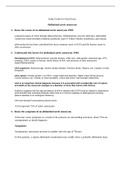
. Know the causes of an abdominal aortic aneurysm. P493 proposed causes of AAA include atherosclerosis, inflammation, mycotic infection, inheritable connective tissue disorders (Marfan syndrome, type IV Ehlers-Danlos syndrome), and trauma. atherosclerosis has been considered the most common cause of AAA and the known cause in 25% of all AAA. 2. Understand risk factors for abdominal aortic aneurysm. P494 Development of AAA: Atherosclerotic vascular disease, white race, male gender, advanced age, HTN, smoking, COPD, history of hernias, family history of AAA, and presence of other aneurysms. Hypercholesterolemia AAA expansion: Advanced age, Severe cardiac disease, Previous stroke, Tobacco use, Cardiac or renal transplant. AAA rupture: Female gender, Low FEV1, Larger initial AAA diameter, Higher mean blood pressure, Current tobacco use, Cardiac or renal transplant, Critical wall stress–wall strength relationship AAA is an important clinical diagnosis because it is associated with considerable risk of rupture and death as the aneurysm enlarges to a diameter of more than 5.0cm (1.96 inches).
Written for
- Institution
-
South University
- Course
-
NSG 6001
Document information
- Uploaded on
- March 8, 2022
- Number of pages
- 10
- Written in
- 2021/2022
- Type
- Exam (elaborations)
- Contains
- Questions & answers
Subjects
- nsg 6001
-
study guide for final exam abdominal aortic aneurysm
-
nsg 6001 study guide for final exam abdominal aortic aneurysm

Also available in package deal