McKinney: Evolve Resources for Maternal-Child Nursing, 5th Edition
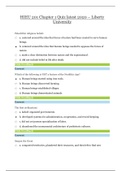
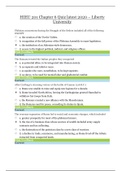
McKinney: Evolve Resources for Maternal-Child Nursing, 5th EditionMULTIPLE CHOICE 1. Which factor significantly contributed to the shift from home births to hospital births in the early 20th century? a. Puerperal sepsis was identified as a risk factor in labor and delivery. b. Forceps were developed to facilitate difficult births. c. The importance of early parental-infant contact was identified. d. Technologic developments became available to physicians. ANS: D Technologic developments were available to physicians, not lay midwives. So in-hospital births increased in order to take advantage of these advancements. Puerperal sepsis has been a known problem for generations. In the late 19th century, Semmelweis discovered how it could be prevented with improved hygienic practices. The development of forceps is an example of a technology advance made in the early 20th century but is not the only reason birthplaces moved. Unlike home births, early hospital births hindered bonding between parents and their infants. PTS: 1 DIF: Cognitive Level: Knowledge/Remembering REF: p. 1 OBJ: Integrated Process: Teaching-Learning MSC: Client Needs: Safe and Effective Care Environment 2. Family-centered maternity care developed in response to a. demands by physicians for family involvement in childbirth. b. the Sheppard-Towner Act of 1921. c. parental requests that infants be allowed to remain with them rather than in a nursery. d. changes in pharmacologic management of labor. ANS: C As research began to identify the benefits of early extended parent-infant contact, parents began to insist that the infant remain with them. This gradually developed into the practice of rooming-in and finally to family-centered maternity care. Family-centered care was a request by parents, not physicians. The Sheppard-Towner Act of 1921 provided funds for state-managed programs for mothers and children. The changes in pharmacologic management of labor were not a factor in family-centered maternity care. PTS: 1 DIF: Cognitive Level: Knowledge/Remembering REF: p. 2 OBJ: Integrated Process: Teaching-Learning MSC: Client Needs: Psychosocial Integrity 3. Which setting for childbirth allows the least amount of parent-infant contact? a. Labor/delivery/recovery/postpartum room b. Birth center c. Traditional hospital birth d. Home birth
Written for
Document information
- Uploaded on
- March 7, 2022
- Number of pages
- 609
- Written in
- 2021/2022
- Type
- Exam (elaborations)
- Contains
- Questions & answers
Subjects
- women’s health
-
chapter 01 foundations of maternity
-
and child health nursing mckinney evolve resources for maternal child nursing
-
5th edition multiple choice 1 which factor significantly contribu