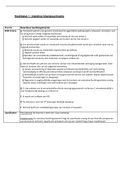
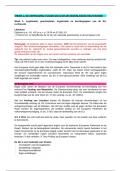
Chapter 1: FIVE PRINCIPLES OF POLITICS
CHAPTER OUTLINE
I. Making Sense of Government and Politics
A. What Is Government?
B. Forms of Government
C. Politics
II. Five Principles of Politics
A. The Rationality Principle: All Political Behavior Has a Purpose
B. The Institution Principle: Institutions Structure Politics
C. The Collective Action Principle: All Politics Is Collective Action
D. The Policy Principle: Political Outcomes Are the Products of
Individual Preferences and Institutional Procedures
E. The History Principle: How We Got Here Matters
III. Conclusion
IV. For Further Reading
V. Analyzing the Evidence: How Do Political Scientists Know What They
Know?
THE FIVE PRINCIPLES OF POLITICS
● The five principles of politics allow students to view government and politics from an
analytical perspective and help them make sense of a chaotic and complex political world.
,● Political science is about observing data (an empirical enterprise) and explaining why we
observe these patterns (analytical reasoning), which then leads us to ask what governments
and citizens should be doing (normative assessments); finally, the five principles of politics
provide a framework for engaging these three questions.
● 1. The Rationality Principle: All political behavior has a purpose.
● Rational actors engage in instrumental behavior, weighing the probabilities of various
outcomes and determining their costs and benefits, particularly in regard to their personal
value.
● 2. The Institution Principle: Institutions are the rules and procedures that provide
incentives for political behavior, thereby shaping politics.
● Four crucial features of institutions are jurisdiction, agenda and veto power, decisiveness,
and delegation.
● Rational actors benefit from the delegation feature of institutions because the principal-
agent relationship provides for division of labor and specialization.
● 3. The Collective Action Principle: Political action is collective as it involves building,
combining, and mixing peoples’ individual goals. However, peoples’ goals can be different,
making collective action difficult.
● Bargaining is the most typical way to solving the collective dilemma of how to proceed,
but when the number of parties increases to a size that makes individual bargaining
unfeasible, incentives must be provided to get everyone to act collectively.
● Free riding is a collective action problem whereby individuals enjoy the benefits of the
work of the group while letting others bear the costs. If free riders are not stopped (either
by coercion, selective benefits, or some other method), they will threaten collective action.
● 4. The Policy Principle: Political outcomes are the products of individual preferences
and institutional procedures. Purposive, goal-oriented behavior works its way through the
rules and processes of government. Individuals have different goals that are shaped,
channeled, and filtered through relevant processes. Both goals and processes shape
outcomes.
● The institutional features of American government are complex, with lots of veto points,
and thus the status quo typically prevails, as policy change can be nearly impossible.
● 5. The History Principle: How we got here matters. Historical processes are the
backgrounds that help explain the ways in which individual goals and institutional
processes develop.
,● Three factors explain why history matters. First, the rules and procedures that are chosen
in one historical time period have consequences for years or decades later. Second, history
matters due to the persistence of loyalties and alliances; for example, historical experiences
explain why Cuban Americans largely identify with the Republican Party and African
Americans identify mostly with the Democratic Party. Third, past events shape the views
and perspectives of current decision makers.
SAMPLE LECTURE OUTLINE
I. Introduction: American government is complex.
A. The Framers designed a complex government with an elaborate separation of powers.
1. This complex system of government dispersed power to different departments
and to the state governments.
2. The Framers thought that a complex government that dispersed power would
better protect liberty.
3. This complexity also places high burdens on citizens to understand and
participate in their government and the political process.
B. Politics can be bewildering to average citizens, with national, state, and local elections
that have scores of candidates to listen to and difficult issues to wade through.
C. The science of politics allows us to make better sense out of the chaos unfolding in the
realm of politics.
1. Political scientists observe politics, looking for regularized patterns and
phenomena—an empirical enterprise.
2. Political scientists then seek to understand why these patterns occur—an
analytical exercise.
3. Understanding what we observe and why we observe it allows us to come to
better normative answers as to what should be done in light of the patterns and
explanations we discover.
II. What is government?
A. Working definition: The institution in society that has a monopoly on the legitimate
use of force
B. Key concepts for discussion
, 1. Legitimacy: Extent of popular involvement
2. Coercion: Taxation and conscription
C. Types of government
1. Ascending order of inclusiveness
a. Autocracy
b. Oligarchy
c. Democracy
2. Descending order of recognized limits on coercion
a. Constitutional
b. Authoritarian
c. Totalitarian
III. “The state” in America
A. All governments, the U.S. government included, rely on coercion as a means of state
power.
1. Alexander Hamilton argued in Federalist 23 that the central government of the
United States needs the means of coercion.
2. Hamilton argued in Federalist 30 that the central government of the United
States needs a means of collecting revenue.
B. Governments, especially constitutional democracies, rely on legitimacy for state
building.
1. Importance of popular consent
2. When people perceive the government works in their interest, they are more
willing to expand its power.
IV. The five principles of politics: Five principles guide the analysis of the textbook.
A. The rationality principle: All political behavior has a purpose.
1. Political behavior is goal oriented.
2. Political actors make instrumental choices about how to act.
B. The institution principle: Institutions structure politics.
1. Institutions provide a division of labor and rules regarding decision-making
processes.
2. These institutions have unintended consequences and shape behavior and
outcomes.
CHAPTER OUTLINE
I. Making Sense of Government and Politics
A. What Is Government?
B. Forms of Government
C. Politics
II. Five Principles of Politics
A. The Rationality Principle: All Political Behavior Has a Purpose
B. The Institution Principle: Institutions Structure Politics
C. The Collective Action Principle: All Politics Is Collective Action
D. The Policy Principle: Political Outcomes Are the Products of
Individual Preferences and Institutional Procedures
E. The History Principle: How We Got Here Matters
III. Conclusion
IV. For Further Reading
V. Analyzing the Evidence: How Do Political Scientists Know What They
Know?
THE FIVE PRINCIPLES OF POLITICS
● The five principles of politics allow students to view government and politics from an
analytical perspective and help them make sense of a chaotic and complex political world.
,● Political science is about observing data (an empirical enterprise) and explaining why we
observe these patterns (analytical reasoning), which then leads us to ask what governments
and citizens should be doing (normative assessments); finally, the five principles of politics
provide a framework for engaging these three questions.
● 1. The Rationality Principle: All political behavior has a purpose.
● Rational actors engage in instrumental behavior, weighing the probabilities of various
outcomes and determining their costs and benefits, particularly in regard to their personal
value.
● 2. The Institution Principle: Institutions are the rules and procedures that provide
incentives for political behavior, thereby shaping politics.
● Four crucial features of institutions are jurisdiction, agenda and veto power, decisiveness,
and delegation.
● Rational actors benefit from the delegation feature of institutions because the principal-
agent relationship provides for division of labor and specialization.
● 3. The Collective Action Principle: Political action is collective as it involves building,
combining, and mixing peoples’ individual goals. However, peoples’ goals can be different,
making collective action difficult.
● Bargaining is the most typical way to solving the collective dilemma of how to proceed,
but when the number of parties increases to a size that makes individual bargaining
unfeasible, incentives must be provided to get everyone to act collectively.
● Free riding is a collective action problem whereby individuals enjoy the benefits of the
work of the group while letting others bear the costs. If free riders are not stopped (either
by coercion, selective benefits, or some other method), they will threaten collective action.
● 4. The Policy Principle: Political outcomes are the products of individual preferences
and institutional procedures. Purposive, goal-oriented behavior works its way through the
rules and processes of government. Individuals have different goals that are shaped,
channeled, and filtered through relevant processes. Both goals and processes shape
outcomes.
● The institutional features of American government are complex, with lots of veto points,
and thus the status quo typically prevails, as policy change can be nearly impossible.
● 5. The History Principle: How we got here matters. Historical processes are the
backgrounds that help explain the ways in which individual goals and institutional
processes develop.
,● Three factors explain why history matters. First, the rules and procedures that are chosen
in one historical time period have consequences for years or decades later. Second, history
matters due to the persistence of loyalties and alliances; for example, historical experiences
explain why Cuban Americans largely identify with the Republican Party and African
Americans identify mostly with the Democratic Party. Third, past events shape the views
and perspectives of current decision makers.
SAMPLE LECTURE OUTLINE
I. Introduction: American government is complex.
A. The Framers designed a complex government with an elaborate separation of powers.
1. This complex system of government dispersed power to different departments
and to the state governments.
2. The Framers thought that a complex government that dispersed power would
better protect liberty.
3. This complexity also places high burdens on citizens to understand and
participate in their government and the political process.
B. Politics can be bewildering to average citizens, with national, state, and local elections
that have scores of candidates to listen to and difficult issues to wade through.
C. The science of politics allows us to make better sense out of the chaos unfolding in the
realm of politics.
1. Political scientists observe politics, looking for regularized patterns and
phenomena—an empirical enterprise.
2. Political scientists then seek to understand why these patterns occur—an
analytical exercise.
3. Understanding what we observe and why we observe it allows us to come to
better normative answers as to what should be done in light of the patterns and
explanations we discover.
II. What is government?
A. Working definition: The institution in society that has a monopoly on the legitimate
use of force
B. Key concepts for discussion
, 1. Legitimacy: Extent of popular involvement
2. Coercion: Taxation and conscription
C. Types of government
1. Ascending order of inclusiveness
a. Autocracy
b. Oligarchy
c. Democracy
2. Descending order of recognized limits on coercion
a. Constitutional
b. Authoritarian
c. Totalitarian
III. “The state” in America
A. All governments, the U.S. government included, rely on coercion as a means of state
power.
1. Alexander Hamilton argued in Federalist 23 that the central government of the
United States needs the means of coercion.
2. Hamilton argued in Federalist 30 that the central government of the United
States needs a means of collecting revenue.
B. Governments, especially constitutional democracies, rely on legitimacy for state
building.
1. Importance of popular consent
2. When people perceive the government works in their interest, they are more
willing to expand its power.
IV. The five principles of politics: Five principles guide the analysis of the textbook.
A. The rationality principle: All political behavior has a purpose.
1. Political behavior is goal oriented.
2. Political actors make instrumental choices about how to act.
B. The institution principle: Institutions structure politics.
1. Institutions provide a division of labor and rules regarding decision-making
processes.
2. These institutions have unintended consequences and shape behavior and
outcomes.