Magna Carta
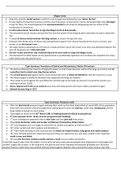
King John used the feudal system in which to rule through and believed he was ‘above the law’.
He was highly criticised by his barons and the church because: he lost land in France, demanded high taxes (Scutage)
to pay for them, he caused England to be excommunicated by the Pope for disagreeing with his choice of the
Archbishop of Canterbury.
In 1215 Johns barons forced him to sign the Magna Carta at Runnymede.
This document had 43 clauses and was the first time the power of the King has been restricted- he wasn’t above the
law.
It stated 25 barons would monitor the Kings actions to ensure he kept the rules.
However John broke many of these rules and gathered support from several loyal barons to start a civil war- also
known as the first baron’s war.
The angry barons requested Luis of France to invade and then return the crown once John was defeated however this
was not necessary as in 1216 John died.
His heir- 9 year old Henry- was crowned king and he was made to resign the Magna Carta.
This document has little impact on the peasants but is symbolically important as it has been the inspiration for many
other democratic documents since.
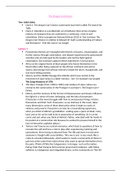
Topic Summary: Provisions of Oxford and Westminster/ Battle Of Evesham
The barons obtained the majority of England’s power as could make decisions without the kings permission and 15
councillors had to watch over king Henrys actions
The second barons war against Henry occurred and they won so Simon de Montfort ruled the country for a year
The barons began to dislike de Montfort and supported the kings son Edward
They raised an army against him and killed him and the king cut his body up and sent it around the country as a
warning to others (1265)
Henry reigned until 1272 as an autocrat (one man with total power) and never called a parliament again
Edward became king in 1272
Topic Summary: Peasants revolt
After the black death peasants began realising their worth as the black death killed of nearly 50% of the population
there were less workers and were angered by raising taxes for wars and poll tax, unfair laws (sumptuary) and the
kings advisors having too much power
They began to revolt on the 30th March 1381 in Fobbing peasants refused to pay poll tax.
2nd June peasants burnt all tax records and government buildings
7th June in Maidstone peasants listen to Wat Tyler and free john ball from prison.
They storm Rochester castle and murder archbishop of Canterbury Robert Hales
12th June king goes out on a barge to meet them at London and agrees to meet on the 17th
13th enter London and storm palaces and kill advisors
14th Tyler meets the king at miles end and asks all villeins be made freemen, king agrees and rebels disband
15th June, Richard meets the rebels and says you’ll have no captain but me, wat Tyler is killed in the crowd but
revolt is over and failed.
This was the first time ordinary people started a revolt not just nobles and barons.
It had little impact other than the leaders such as john ball were executed and people were frightened to revolt again but
workers’ wages did increase. In the long term, the poll tax was never repeated and peasants gradually over 100 years
became freemen, when there was another poll tax protest against thatcher they marched the same route as wat Tyler
King John used the feudal system in which to rule through and believed he was ‘above the law’.
He was highly criticised by his barons and the church because: he lost land in France, demanded high taxes (Scutage)
to pay for them, he caused England to be excommunicated by the Pope for disagreeing with his choice of the
Archbishop of Canterbury.
In 1215 Johns barons forced him to sign the Magna Carta at Runnymede.
This document had 43 clauses and was the first time the power of the King has been restricted- he wasn’t above the
law.
It stated 25 barons would monitor the Kings actions to ensure he kept the rules.
However John broke many of these rules and gathered support from several loyal barons to start a civil war- also
known as the first baron’s war.
The angry barons requested Luis of France to invade and then return the crown once John was defeated however this
was not necessary as in 1216 John died.
His heir- 9 year old Henry- was crowned king and he was made to resign the Magna Carta.
This document has little impact on the peasants but is symbolically important as it has been the inspiration for many
other democratic documents since.
Topic Summary: Provisions of Oxford and Westminster/ Battle Of Evesham
The barons obtained the majority of England’s power as could make decisions without the kings permission and 15
councillors had to watch over king Henrys actions
The second barons war against Henry occurred and they won so Simon de Montfort ruled the country for a year
The barons began to dislike de Montfort and supported the kings son Edward
They raised an army against him and killed him and the king cut his body up and sent it around the country as a
warning to others (1265)
Henry reigned until 1272 as an autocrat (one man with total power) and never called a parliament again
Edward became king in 1272
Topic Summary: Peasants revolt
After the black death peasants began realising their worth as the black death killed of nearly 50% of the population
there were less workers and were angered by raising taxes for wars and poll tax, unfair laws (sumptuary) and the
kings advisors having too much power
They began to revolt on the 30th March 1381 in Fobbing peasants refused to pay poll tax.
2nd June peasants burnt all tax records and government buildings
7th June in Maidstone peasants listen to Wat Tyler and free john ball from prison.
They storm Rochester castle and murder archbishop of Canterbury Robert Hales
12th June king goes out on a barge to meet them at London and agrees to meet on the 17th
13th enter London and storm palaces and kill advisors
14th Tyler meets the king at miles end and asks all villeins be made freemen, king agrees and rebels disband
15th June, Richard meets the rebels and says you’ll have no captain but me, wat Tyler is killed in the crowd but
revolt is over and failed.
This was the first time ordinary people started a revolt not just nobles and barons.
It had little impact other than the leaders such as john ball were executed and people were frightened to revolt again but
workers’ wages did increase. In the long term, the poll tax was never repeated and peasants gradually over 100 years
became freemen, when there was another poll tax protest against thatcher they marched the same route as wat Tyler