L.W. van der Poel
Faculteit der Sociale Wetenschappen, Vrije Universiteit Amsterdam
S_ISCP: Inequality and Conflict in Societal Participation – R. Bekkers, J. Swinkels
J. van Matre & J. Schroeder
23 december 2021
, Introduction
Changes in worldviews are reshaping political and social life. Institutional changes emerge in
what makes economic growth becomes less central, and there is a rising emphasis on the
quality of life, climate change and democratic political institutions. Industrialization, for
example causes higher levels of formal education and rising levels of mass political
participation in any society that undertakes it. The rise of politcial participation causes
changing in the political agenda of societies, giving rise to new issues, new political
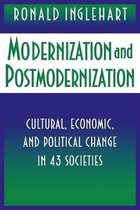
movements, and new political parties (Inglehart, 1997).
In the article Education and Political Participation, Persson (2015) explores what
factors influence political participation. Within the literature, education level is often seen as
the most important predictor of political participation. However, a number of studies have
been designed to investigate whether education is a direct cause for political participation. It
could also be the case that the cause is not to be found behind the education, but behind the
cognitive abilities and social conditions that precede the education. It could then be concluded
that education works more as a proxy for other factors (Persson, 2015).
This study examines the underlying arguments and theories regarding to the factors of
education and political participation. Using this theory, a pair of hypothesis formulated.
Subsequently, these hypotheses are tested by means of a regression analysis and conclusions
are drawn based on the results. The hypothesis will only be tested on the Egypt population.
With more than 100 million inhabitants, Egypt is the most populous country in Africa.
Since 1953, Egypt has been a republic where legislative power is shared by government and
parliament. The president is head of state and executive. Corruption is a major problem in
Egypt. According to Transparency International (2020), Egypt had a score of 33 in 2020,
good for 117th position in the global ranking. The Democracy Index gives an idea of the state
of democracy in independent states. The Democracy Index of Eegypt is 2.93 that falls in the
“Authoritarian” status, which placed egypt at position 139 out of 167 (The Economist, 2020).
The World Factbook van de CIA (2021) meldt dat het GDP 12.000 dollar in 2017 was.
The Human Development Index (HDI) measures poverty, education and quality of life in
countries. The higher the value of the HDI index, the higher the country scores on public
health, knowledge and living standards. Egypts HDI value is set at 0.70, which places it at
position 116 out of 190 countries (HDR, 2020). Currently, literacy, educational attainment,
, and labor force participation rates are much lower for women than men. The school life
expectancy is 14 years in Egypt (The World Factbook, 2021).
Theory
Persson (2015) states in his article that several new studies investigate the causality between
education and political participation. Persson (2015) uses three models that can explain the
relationship between education and political participation. Two of these models are used to
formulate two hypotheses.
The absolute education model
According to the absolute education model, education has a direct and causal effect on
political participation. According to Persson, education has a positive effect on cognitive
skills and knowledge, which in turn has a positive effect on political participation. The
education effect can be explained with reference to skills and knowledge gained while
educations is being acquired. For example, Verba, Schlozman and Brady (1995) argue that
those with higher education develop more skills develop that are relevant to participating in
politics.
Persson (2015) states that this theory is called the 'absolute education model', because
the effects of education are not dependent on educational levels of the environment. It is
argued that this is an individual process and that it is a direct connection. According to the
model, individuals participate more in politics when they have received more education. So a
higher level of education, with a longer term of going to school, leads to more skills and
knowledge making it more likely that someone will participate more in politics.
Gender and age can also influence education. For example: females are more often
highlier educated than men. In addition, being a woman can also affect one's political
participation: when there are more issues that interest women, they will also be more likely to
vote. This also applies to age. This expectation will be tested with the following hypothesis:
Hypothesis 1: A higher level of education has a positive effect on political particiaption,
controlling for gender and age.
The relative education model
Another model that Persson (2015) describes is the relative education model. According to
this model education has an indirect effect on political participation through social status.
Faculteit der Sociale Wetenschappen, Vrije Universiteit Amsterdam
S_ISCP: Inequality and Conflict in Societal Participation – R. Bekkers, J. Swinkels
J. van Matre & J. Schroeder
23 december 2021
, Introduction
Changes in worldviews are reshaping political and social life. Institutional changes emerge in
what makes economic growth becomes less central, and there is a rising emphasis on the
quality of life, climate change and democratic political institutions. Industrialization, for
example causes higher levels of formal education and rising levels of mass political
participation in any society that undertakes it. The rise of politcial participation causes
changing in the political agenda of societies, giving rise to new issues, new political
movements, and new political parties (Inglehart, 1997).
In the article Education and Political Participation, Persson (2015) explores what
factors influence political participation. Within the literature, education level is often seen as
the most important predictor of political participation. However, a number of studies have
been designed to investigate whether education is a direct cause for political participation. It
could also be the case that the cause is not to be found behind the education, but behind the
cognitive abilities and social conditions that precede the education. It could then be concluded
that education works more as a proxy for other factors (Persson, 2015).
This study examines the underlying arguments and theories regarding to the factors of
education and political participation. Using this theory, a pair of hypothesis formulated.
Subsequently, these hypotheses are tested by means of a regression analysis and conclusions
are drawn based on the results. The hypothesis will only be tested on the Egypt population.
With more than 100 million inhabitants, Egypt is the most populous country in Africa.
Since 1953, Egypt has been a republic where legislative power is shared by government and
parliament. The president is head of state and executive. Corruption is a major problem in
Egypt. According to Transparency International (2020), Egypt had a score of 33 in 2020,
good for 117th position in the global ranking. The Democracy Index gives an idea of the state
of democracy in independent states. The Democracy Index of Eegypt is 2.93 that falls in the
“Authoritarian” status, which placed egypt at position 139 out of 167 (The Economist, 2020).
The World Factbook van de CIA (2021) meldt dat het GDP 12.000 dollar in 2017 was.
The Human Development Index (HDI) measures poverty, education and quality of life in
countries. The higher the value of the HDI index, the higher the country scores on public
health, knowledge and living standards. Egypts HDI value is set at 0.70, which places it at
position 116 out of 190 countries (HDR, 2020). Currently, literacy, educational attainment,
, and labor force participation rates are much lower for women than men. The school life
expectancy is 14 years in Egypt (The World Factbook, 2021).
Theory
Persson (2015) states in his article that several new studies investigate the causality between
education and political participation. Persson (2015) uses three models that can explain the
relationship between education and political participation. Two of these models are used to
formulate two hypotheses.
The absolute education model
According to the absolute education model, education has a direct and causal effect on
political participation. According to Persson, education has a positive effect on cognitive
skills and knowledge, which in turn has a positive effect on political participation. The
education effect can be explained with reference to skills and knowledge gained while
educations is being acquired. For example, Verba, Schlozman and Brady (1995) argue that
those with higher education develop more skills develop that are relevant to participating in
politics.
Persson (2015) states that this theory is called the 'absolute education model', because
the effects of education are not dependent on educational levels of the environment. It is
argued that this is an individual process and that it is a direct connection. According to the
model, individuals participate more in politics when they have received more education. So a
higher level of education, with a longer term of going to school, leads to more skills and
knowledge making it more likely that someone will participate more in politics.
Gender and age can also influence education. For example: females are more often
highlier educated than men. In addition, being a woman can also affect one's political
participation: when there are more issues that interest women, they will also be more likely to
vote. This also applies to age. This expectation will be tested with the following hypothesis:
Hypothesis 1: A higher level of education has a positive effect on political particiaption,
controlling for gender and age.
The relative education model
Another model that Persson (2015) describes is the relative education model. According to
this model education has an indirect effect on political participation through social status.