

Unit 2 assignment 2
Task 1
LIMS stands for Laboratory Information Management System. It’s function is to track
specimens from receipt, processing, testing, reporting to storage. Also electronically
capture results from lab diagnostic equipment and store with specimen detail.
Additionally, protocols and algorithms for testing and final result.
Figure 1
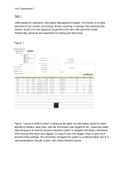
Figure 1 shows a LIMS in action. Looking at the table, the information shown is name,
laboratory location, spec type, who the information was logged by etc. These are useful
data because it is clear for anyone using the system to interpret and easily understand.
If the wrong information was logged, it is easy to see who logged which is good as it
prevents time wastage. The laboratory management system is understandable due to a
neat presentation through a table, with clearly labelled column.
, Unit 2 assignment 2
Task 2
GDPR stands for the general data protection regulation. GDPR displays the rules of out
how you should set out data. Each EU country has their own legislation because the
GDPR doesn’t fit into certain countries and what they do, hence why they plug the gaps.
For example, how to define ‘public authorities’. The data protection act 2018 expands
and refinex how data protection laws apply to selected broad areas that are eliminated
from the GDPR. It sets out the requirements for funding and functioning also.
The general data protection regulation states that all personal information/data strictly
is to be processed fairly, casually and in a clear way in correlation to the
information/data’s subject for data minimisation. This conforms that all patient
information can only be taken with permission and given by the patient themselves. In a
hospital, anybody who doesn’t work within that patients healthcare is not permitted to
see the data nor handle it and this data is not to be shared as is confidential. All
information/data must be stored safely and securely in order to prevent anyone looking
for it who shouldn’t be from seeing it. GDPR states that all data must be kept up to data
at all times to provide accuracy and that information/data should be collected for specific
reasons, in which from that is not to be passed on due to purpose limitation.
Task 1
LIMS stands for Laboratory Information Management System. It’s function is to track
specimens from receipt, processing, testing, reporting to storage. Also electronically
capture results from lab diagnostic equipment and store with specimen detail.
Additionally, protocols and algorithms for testing and final result.
Figure 1
Figure 1 shows a LIMS in action. Looking at the table, the information shown is name,
laboratory location, spec type, who the information was logged by etc. These are useful
data because it is clear for anyone using the system to interpret and easily understand.
If the wrong information was logged, it is easy to see who logged which is good as it
prevents time wastage. The laboratory management system is understandable due to a
neat presentation through a table, with clearly labelled column.
, Unit 2 assignment 2
Task 2
GDPR stands for the general data protection regulation. GDPR displays the rules of out
how you should set out data. Each EU country has their own legislation because the
GDPR doesn’t fit into certain countries and what they do, hence why they plug the gaps.
For example, how to define ‘public authorities’. The data protection act 2018 expands
and refinex how data protection laws apply to selected broad areas that are eliminated
from the GDPR. It sets out the requirements for funding and functioning also.
The general data protection regulation states that all personal information/data strictly
is to be processed fairly, casually and in a clear way in correlation to the
information/data’s subject for data minimisation. This conforms that all patient
information can only be taken with permission and given by the patient themselves. In a
hospital, anybody who doesn’t work within that patients healthcare is not permitted to
see the data nor handle it and this data is not to be shared as is confidential. All
information/data must be stored safely and securely in order to prevent anyone looking
for it who shouldn’t be from seeing it. GDPR states that all data must be kept up to data
at all times to provide accuracy and that information/data should be collected for specific
reasons, in which from that is not to be passed on due to purpose limitation.


