NR 601 Midterm Study Notes 1-4 A GRADED
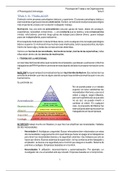
NR 601 Midterm Exam Study Guide Weeks 1-4 content Week Topics 1 Developmental changes Review Kennedy and Dunphy readings for age related changes Replicative senescence is theory states that cells can replicate or divide a specific number of times. This ability tends to decrease with age. Oxidative damage is the cumulative result of the aerobic metabolism, which generates chemicals called free radicals. Free radicals may interact with other chemicals in the body and cause damage to cells. Telomere shortening is a theory that links aging to a reduction in cell division. Weakening of the immune response leaves older adults more vulnerable to infection and debilitating diseases. Travel Increased risk for thromboembolic events, altitude sickness with effect on cardiac and cerebral functioning, effect on pulmonary function from air pollution, dehydration and inability to tolerate temperature changes, anxiety r/t change of place (central nervous changes), decreased hearing (sensory changes), increased risk for accidents due to decreased vision, longer reaction times, some vaccines are less effective for older adults. Routine immunizations for older adult’s r/t travel, Influenza, pneumococcal, Td/Tdap, zoster, Hep B for some, and certain vaccines based on destination
Written for
- Institution
-
Chamberlain College Nursing
- Course
-
NURSING 601
Document information
- Uploaded on
- January 20, 2022
- Number of pages
- 31
- Written in
- 2021/2022
- Type
- Exam (elaborations)
- Contains
- Questions & answers
Subjects
- longer reaction times
-
nr 601 midterm study notes 1 4
-
increased risk for accidents due to decreased vision
-
some vaccines are less effective for older adults
-
routine immunizations for older adult’s