LUCIA ROMERO
6. CHEMICAL ENERGETICS
6.1 ENERGETICS OF A REACTION
Exothermic and endothermic reactions
EXOTHERMIC REACTIONS
A reaction in which there is an overall transfer of energy to the surroundings. (Energy given out).
Examples:
1. Combustion of fuels such as alkanes and hydrogen gas; fuels release heat energy when they burn in air or oxygen.
2. Respiration
3. The reaction between hydrochloric acid and magnesium
ENDOTHERMIC REACTIONS
a reaction in which there is an overall gain of energy from the surroundings. (Energy taken in).
Examples:
1. Photosynthesis
2. Thermal decomposition
3. The reaction between sodium hydrogen (baking soda) and citric acid
Energy level diagrams
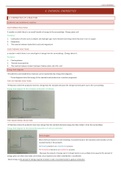
→ Exothermic and endothermic reactions can be represented by energy level diagrams
- These diagrams show the energy of the reactants and products as a reaction progresses.
FOR EXOTHERMIC REACTIONS
→ Reactions where the products have less energy than the reactants because the energy has been given out to the surroundings.
Energy level diagram for the complete combustion of methane:
FOR ENDOTHERMIC REACTIONS
→ Reactions where the products have more energy than the reactants because energy has been taken in from the surroundings.
Energy level diagram for the thermal decomposition of calcium carbonate:
Bond energies
Most chemical reactions involve breaking of covalent bonds in the reactants and formation of new
covalent bonds in the products:
→ Breaking bonds is an endothermic process
→ Formation of bonds in an exothermic process
: Because the amount of energy put in to break bonds is very unlikely to be equal to the amount of
energy given out when new bonds are formed, most reactions are either endothermic or exothermic
: Bond energy is the amount of energy required to break 1 mole of covalent bonds in gaseous molecules.
6. CHEMICAL ENERGETICS
6.1 ENERGETICS OF A REACTION
Exothermic and endothermic reactions
EXOTHERMIC REACTIONS
A reaction in which there is an overall transfer of energy to the surroundings. (Energy given out).
Examples:
1. Combustion of fuels such as alkanes and hydrogen gas; fuels release heat energy when they burn in air or oxygen.
2. Respiration
3. The reaction between hydrochloric acid and magnesium
ENDOTHERMIC REACTIONS
a reaction in which there is an overall gain of energy from the surroundings. (Energy taken in).
Examples:
1. Photosynthesis
2. Thermal decomposition
3. The reaction between sodium hydrogen (baking soda) and citric acid
Energy level diagrams
→ Exothermic and endothermic reactions can be represented by energy level diagrams
- These diagrams show the energy of the reactants and products as a reaction progresses.
FOR EXOTHERMIC REACTIONS
→ Reactions where the products have less energy than the reactants because the energy has been given out to the surroundings.
Energy level diagram for the complete combustion of methane:
FOR ENDOTHERMIC REACTIONS
→ Reactions where the products have more energy than the reactants because energy has been taken in from the surroundings.
Energy level diagram for the thermal decomposition of calcium carbonate:
Bond energies
Most chemical reactions involve breaking of covalent bonds in the reactants and formation of new
covalent bonds in the products:
→ Breaking bonds is an endothermic process
→ Formation of bonds in an exothermic process
: Because the amount of energy put in to break bonds is very unlikely to be equal to the amount of
energy given out when new bonds are formed, most reactions are either endothermic or exothermic
: Bond energy is the amount of energy required to break 1 mole of covalent bonds in gaseous molecules.