LUCIA ROMERO
13. CARBONATES
13.1 CARBONATES
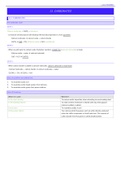
The carbonate cycle
STEP 1
Calcium carbonate = CaCO3 = limestone
- Limestone will decompose with heating (thermal decomposition) to form quicklime
: Calcium carbonate → calcium oxide + carbon dioxide
CaCO3 → CaO + CO2 (Calcium oxide = CaO = quicklime)
STEP 2
- When we add water to calcium oxide (hydration reaction), slaked lime (calcium hydroxide), is made
: Calcium oxide + water → calcium hydroxide
CaO + H2O → Ca(OH)2
STEP 3
- When carbon dioxide is added to calcium hydroxide, calcium carbonate is made back:
: Calcium hydroxide + carbon dioxide → calcium carbonate + water
Ca(OH)2 + CO2 → CaCO3 + H2O
Uses of quicklime and slaked lime
1. To neutralise acidic soil
2. To neutralise acidic liquid wastes from factories
3. To neutralise acidic gases from power stations
Uses of limestone
Where it is used What for?
In the steel industry To remove acidic impurities when extracting iron and making steel
In the building industry To make cement; limestone is heated with clay, then gypsum
(calcium sulfate) is added
On the farm To neutralize acidity in soil
At the power station Two remove acidic flue gases, such as sulfur dioxide, produced
when the sulfur compounds in fossil fuels burn. The removal of
sulfur dioxide from flue gases is called desulfurization
13. CARBONATES
13.1 CARBONATES
The carbonate cycle
STEP 1
Calcium carbonate = CaCO3 = limestone
- Limestone will decompose with heating (thermal decomposition) to form quicklime
: Calcium carbonate → calcium oxide + carbon dioxide
CaCO3 → CaO + CO2 (Calcium oxide = CaO = quicklime)
STEP 2
- When we add water to calcium oxide (hydration reaction), slaked lime (calcium hydroxide), is made
: Calcium oxide + water → calcium hydroxide
CaO + H2O → Ca(OH)2
STEP 3
- When carbon dioxide is added to calcium hydroxide, calcium carbonate is made back:
: Calcium hydroxide + carbon dioxide → calcium carbonate + water
Ca(OH)2 + CO2 → CaCO3 + H2O
Uses of quicklime and slaked lime
1. To neutralise acidic soil
2. To neutralise acidic liquid wastes from factories
3. To neutralise acidic gases from power stations
Uses of limestone
Where it is used What for?
In the steel industry To remove acidic impurities when extracting iron and making steel
In the building industry To make cement; limestone is heated with clay, then gypsum
(calcium sulfate) is added
On the farm To neutralize acidity in soil
At the power station Two remove acidic flue gases, such as sulfur dioxide, produced
when the sulfur compounds in fossil fuels burn. The removal of
sulfur dioxide from flue gases is called desulfurization