Economics – Demand
The Law of Demand
The law of demand is the higher the price, the less quantity will be sold of this product or service.
And the lower the price, the greater quantity will be demanded.
For example:
If you have an coffee for €5,00 less people will buy the coffee compared to an €2,50 coffee.
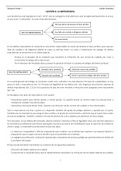
For this law of demand there is the demand curve
The demand curve has an couple assumptions: Demand curve
- Ceteris paribus
5
- A time period
4
3
Ceteris Paribus
2
This means that all other things stay equal or stay the same.
1
For example the amount of money people earn will be the same.
0
1 2 3 4
Relationship between demand and price
Demand curve
The relationship between demand and price is depending on
- The law of demand
- The income effect
- The substitution effect
Then there are also other determinants of demand
- The number and price of substitute goods
- The number and price of complementary goods
- Tastes of people
- Incomes
- Expectations of the product or service
These factors all determine how much or how little demand there is for the product or service.
There can also be movement along the demand curve or
an shift in the demand curve.
Upwards is more less demand for the product
Downwards is more demand for the product
The Law of Demand
The law of demand is the higher the price, the less quantity will be sold of this product or service.
And the lower the price, the greater quantity will be demanded.
For example:
If you have an coffee for €5,00 less people will buy the coffee compared to an €2,50 coffee.
For this law of demand there is the demand curve
The demand curve has an couple assumptions: Demand curve
- Ceteris paribus
5
- A time period
4
3
Ceteris Paribus
2
This means that all other things stay equal or stay the same.
1
For example the amount of money people earn will be the same.
0
1 2 3 4
Relationship between demand and price
Demand curve
The relationship between demand and price is depending on
- The law of demand
- The income effect
- The substitution effect
Then there are also other determinants of demand
- The number and price of substitute goods
- The number and price of complementary goods
- Tastes of people
- Incomes
- Expectations of the product or service
These factors all determine how much or how little demand there is for the product or service.
There can also be movement along the demand curve or
an shift in the demand curve.
Upwards is more less demand for the product
Downwards is more demand for the product