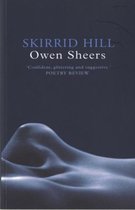
Border Country -
- Explores father-son relationship
- Themes of death, time, separation, nostalgia
- ‘Border’ of life and death, childhood and adulthood
- Extended metaphor of cars as graves throughout
- Loss of imagination, replaced with reality
Stanza 1 -
- “Nothing marks” - opening phrase emphasises the sense of emotional hollowness, though
also potentially the industrialisation of the Welsh country
^ emblematic of childhood loss, the temporal marker signifying a shift in time
- Semantic field of death - “grave” / “headstone” / “epitaphs” / “graveyard”
- “Running in their leaves” - irony, contrast of life and death - time of year
- “Elephant’s graveyard” - isolation & death
- “Motorway pile-up” - crash/accident - metaphor of death
- Sense of dread / tone of melancholia
Stanza 2 -
- “We” - emphasises togetherness of past in comparison to isolation at present
- “Catching the commas and apostrophes” - school, childhood
- Reflection on childhood games - “shooting at pumpkins” / “kick of your father’s shotgun” /
“playing at war” - all surround violence and war, potentially reflecting the pressure of
masculinity
- Plosive ‘p’ and ‘b’ sounds audibly reflect chaos of war
- “Dying again and again” - repetition reflects constant struggle, lasting pain, theme of time
^ combination of “dying” and “playing” emphasises morbidity of his childhood
- “Gap-toothed roof” - childhood reference, fragmentation & loss
Stanza 3 -
- “Tested our voices” - exploration of identity
- Bird imagery - “buzzards” - implies freedom and carefree nature of childhood
- ^ “above us” - ever present sense of death throughout childhood
- Pathetic fallacy - “flint sky” - emphasises tragic depiction
- Explores father-son relationship
- Themes of death, time, separation, nostalgia
- ‘Border’ of life and death, childhood and adulthood
- Extended metaphor of cars as graves throughout
- Loss of imagination, replaced with reality
Stanza 1 -
- “Nothing marks” - opening phrase emphasises the sense of emotional hollowness, though
also potentially the industrialisation of the Welsh country
^ emblematic of childhood loss, the temporal marker signifying a shift in time
- Semantic field of death - “grave” / “headstone” / “epitaphs” / “graveyard”
- “Running in their leaves” - irony, contrast of life and death - time of year
- “Elephant’s graveyard” - isolation & death
- “Motorway pile-up” - crash/accident - metaphor of death
- Sense of dread / tone of melancholia
Stanza 2 -
- “We” - emphasises togetherness of past in comparison to isolation at present
- “Catching the commas and apostrophes” - school, childhood
- Reflection on childhood games - “shooting at pumpkins” / “kick of your father’s shotgun” /
“playing at war” - all surround violence and war, potentially reflecting the pressure of
masculinity
- Plosive ‘p’ and ‘b’ sounds audibly reflect chaos of war
- “Dying again and again” - repetition reflects constant struggle, lasting pain, theme of time
^ combination of “dying” and “playing” emphasises morbidity of his childhood
- “Gap-toothed roof” - childhood reference, fragmentation & loss
Stanza 3 -
- “Tested our voices” - exploration of identity
- Bird imagery - “buzzards” - implies freedom and carefree nature of childhood
- ^ “above us” - ever present sense of death throughout childhood
- Pathetic fallacy - “flint sky” - emphasises tragic depiction