SYLLABUS 2 LIMITATION
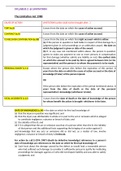
The Limitation Act 1980
CAUSE OF ACTION LIMITATION (action shall not be brought after…)
TORT (s.2) 6 years from the date on which the cause of action accrued.
CONTRACT (s.5) 6 years from the date on which the cause of action accrued.
TO RECOVER CONTRIBUTION (s.10) 2 years from the date on which that right accrued- which is either:
(a) if the person in question is held liable in respect of that damage by a
judgment given in civil proceedings or an arbitration award, the date on
which the judgment is given or date of the award.
(b) If, in any case not mentioned within above, the person in question
agrees to make any payment to one or more persons in compensation
for that damage (whether admits any liability or not), the earliest date
on which the amount to be paid by him is agreed between him (or his
representative) and the person/s to whom the payment is to be made.
PERSONAL INJURY (s.11) Except where the person dies before the expiration of this period, 3
years from the date on which the cause of action accrued or the date of
knowledge (if later) of the person injured.
OR
If the person dies before the expiration of the period mentioned above, 3
years from the date of death or the date of the personal
representative’s knowledge (whichever is later).
FATAL ACCIDENTS (s.12) 3 years from the date of death or the date of knowledge of the person
for whose benefit the action is brought- whichever is the later.
DATE OF KNOWLEDGE (s.14) = the date on which he first had knowledge of-
(a) that the injury in question was significant; and
(b) that the injury was attributable in whole or in part to the act or omission which is alleged
to constitute negligence, nuisance or breach of duty; and
(c) the identity of the D; and
(d) if it is alleged that the act or omission was that of a person other than the D, the identity
of that person and the additional facts supporting the bringing of an action against D
and knowledge that any acts or omissions did or did not, as a matter of law, involve
negligence, nuisance or breach of duty is irrelevant.
For action by s.6(1) (CPA 1987) (death by defective knowledge) references to a person’s
date of knowledge are references to the date on which he first had knowledge of-
(a) Such facts about the damage caused by the defect as would lead a reasonable person
who had suffered such damage to consider it sufficiently serious to justify his instituting
proceedings for damages against a D who did not dispute liability and was able to satisfy
a judgment; and
, SYLLABUS 2 LIMITATION
(b) That the damage was wholly or partly attributable to the facts and circumstances alleged
to constitute the defect; and
(c) The identity of the D.
Injury is significant when- if the person whose date of knowledge is in question would
reasonably have considered it sufficiently serious to justify his instituting proceedings for
damages against a D who did not dispute liability and was able to satisfy a judgment.
A person’s knowledge includes - knowledge which he might reasonably have been
expected to acquire from facts observable or ascertainable by him; or by him with the help
of medical or other appropriate expert advice which it is reasonable for him to seek;
but a person shall not be fixed under this subsection with knowledge of a fact ascertainable
only with the help of expert advice so long as he has taken all reasonable steps to obtain
(and, where appropriate, to act on) that advice.
NEGLIGENCE ACTIONS WHERE FACTS RELEVANT TO CAUSE OF ACTION ARE NOT KNOWN
AT DATE OF ACCRUAL (s.14A).
Action shall not be brought after the expiration of the period which is either- (a) 6 years
from the date on which the cause of action accrued (b) 3 years from the starting date (the
earliest date on which the plaintiff or any person whom the cause of action was vested first
had both the knowledge required for bringing an action for damages in respect of the
damage and a right to bring such action) if that period expires later.
Knowledge required for bringing an action for damages means both—the material facts
about the damage in respect of which damages are claimed; and the other facts relevant to
the current action.
MATERIAL FACTS = about the damage as would lead a reasonable person who had suffered
such damage to consider it sufficiently serious to justify his instituting proceedings for
damages against a D who did not dispute liability and was able to satisfy a judgment.
THE OTHER FACTS=
(a) That the damage was attributable in whole or in part to the act or omission which is
alleged to constitute negligence; and
(b) The identity of the Dt; and
(c) If it is alleged that the act or omission was that of a person other than D the identity of
that person and the additional facts supporting the bringing of an action against the D.
** Knowledge that any acts or omissions did/did not, involve negligence is irrelevant**
A PERSON’S KNOWLEDGE= knowledge which he might reasonably have been expected to
acquire—from facts observable or ascertainable by him; or by him with the help of
appropriate expert advice which it is reasonable for him to seek;
but a person shall not be taken by virtue of this subsection to have knowledge of a fact
ascertainable only with the help of expert advice so long as he has taken all reasonable
steps to obtain (and, where appropriate, to act on) that advice.
The Limitation Act 1980
CAUSE OF ACTION LIMITATION (action shall not be brought after…)
TORT (s.2) 6 years from the date on which the cause of action accrued.
CONTRACT (s.5) 6 years from the date on which the cause of action accrued.
TO RECOVER CONTRIBUTION (s.10) 2 years from the date on which that right accrued- which is either:
(a) if the person in question is held liable in respect of that damage by a
judgment given in civil proceedings or an arbitration award, the date on
which the judgment is given or date of the award.
(b) If, in any case not mentioned within above, the person in question
agrees to make any payment to one or more persons in compensation
for that damage (whether admits any liability or not), the earliest date
on which the amount to be paid by him is agreed between him (or his
representative) and the person/s to whom the payment is to be made.
PERSONAL INJURY (s.11) Except where the person dies before the expiration of this period, 3
years from the date on which the cause of action accrued or the date of
knowledge (if later) of the person injured.
OR
If the person dies before the expiration of the period mentioned above, 3
years from the date of death or the date of the personal
representative’s knowledge (whichever is later).
FATAL ACCIDENTS (s.12) 3 years from the date of death or the date of knowledge of the person
for whose benefit the action is brought- whichever is the later.
DATE OF KNOWLEDGE (s.14) = the date on which he first had knowledge of-
(a) that the injury in question was significant; and
(b) that the injury was attributable in whole or in part to the act or omission which is alleged
to constitute negligence, nuisance or breach of duty; and
(c) the identity of the D; and
(d) if it is alleged that the act or omission was that of a person other than the D, the identity
of that person and the additional facts supporting the bringing of an action against D
and knowledge that any acts or omissions did or did not, as a matter of law, involve
negligence, nuisance or breach of duty is irrelevant.
For action by s.6(1) (CPA 1987) (death by defective knowledge) references to a person’s
date of knowledge are references to the date on which he first had knowledge of-
(a) Such facts about the damage caused by the defect as would lead a reasonable person
who had suffered such damage to consider it sufficiently serious to justify his instituting
proceedings for damages against a D who did not dispute liability and was able to satisfy
a judgment; and
, SYLLABUS 2 LIMITATION
(b) That the damage was wholly or partly attributable to the facts and circumstances alleged
to constitute the defect; and
(c) The identity of the D.
Injury is significant when- if the person whose date of knowledge is in question would
reasonably have considered it sufficiently serious to justify his instituting proceedings for
damages against a D who did not dispute liability and was able to satisfy a judgment.
A person’s knowledge includes - knowledge which he might reasonably have been
expected to acquire from facts observable or ascertainable by him; or by him with the help
of medical or other appropriate expert advice which it is reasonable for him to seek;
but a person shall not be fixed under this subsection with knowledge of a fact ascertainable
only with the help of expert advice so long as he has taken all reasonable steps to obtain
(and, where appropriate, to act on) that advice.
NEGLIGENCE ACTIONS WHERE FACTS RELEVANT TO CAUSE OF ACTION ARE NOT KNOWN
AT DATE OF ACCRUAL (s.14A).
Action shall not be brought after the expiration of the period which is either- (a) 6 years
from the date on which the cause of action accrued (b) 3 years from the starting date (the
earliest date on which the plaintiff or any person whom the cause of action was vested first
had both the knowledge required for bringing an action for damages in respect of the
damage and a right to bring such action) if that period expires later.
Knowledge required for bringing an action for damages means both—the material facts
about the damage in respect of which damages are claimed; and the other facts relevant to
the current action.
MATERIAL FACTS = about the damage as would lead a reasonable person who had suffered
such damage to consider it sufficiently serious to justify his instituting proceedings for
damages against a D who did not dispute liability and was able to satisfy a judgment.
THE OTHER FACTS=
(a) That the damage was attributable in whole or in part to the act or omission which is
alleged to constitute negligence; and
(b) The identity of the Dt; and
(c) If it is alleged that the act or omission was that of a person other than D the identity of
that person and the additional facts supporting the bringing of an action against the D.
** Knowledge that any acts or omissions did/did not, involve negligence is irrelevant**
A PERSON’S KNOWLEDGE= knowledge which he might reasonably have been expected to
acquire—from facts observable or ascertainable by him; or by him with the help of
appropriate expert advice which it is reasonable for him to seek;
but a person shall not be taken by virtue of this subsection to have knowledge of a fact
ascertainable only with the help of expert advice so long as he has taken all reasonable
steps to obtain (and, where appropriate, to act on) that advice.