Cell Signalling Notes
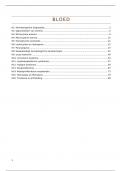
Table of Contents
Wnt signalling........................................................................................................................................1
Canonical (Wnt/Catenin) and Non-canonical (Wnt/Planar Cell Polarity and Wnt/Ca 2+ Signalling)
pathways...............................................................................................................................................1
GRB2 and the activation of the MAP Kinase cascade.............................................................................3
Insulin receptor......................................................................................................................................3
The regulation of cell polarity................................................................................................................4
The molecular basis of vision in the rod cells and Rhodopsin-mediated signalling................................5
JAK-STAT Signalling................................................................................................................................5
Insulin Receptor.....................................................................................................................................6
Transforming growth factor-β (TGFβ)....................................................................................................7
The Estrogen Receptor..........................................................................................................................8
GPCR’s...................................................................................................................................................9
Ionotropic Receptors (aka Ligand-gated ion channels)..........................................................................9
Intracellular Calcium concentration.......................................................................................................9
Epidermal Growth Factor.....................................................................................................................10
Mechanisms of chemokine signalling and the role of chemokines on mediating the inflammatory
response..............................................................................................................................................11
Wnt signalling
Canonical (Wnt/Catenin) and Non-canonical (Wnt/Planar
Cell Polarity and Wnt/Ca2+ Signalling) pathways
Wnt proteins are secreted signal molecules that function as local autocrine mediators and
morphogens to control many aspects of development. The term is derived from the orthologous
genes wingless and proto oncogene Int-1. They are unusual, secreted proteins as they contain a fatty
acid covalently attached to their N-terminus, which increases binding to their cell surfaces. There are
19 wnt proteins in humans, that have different yet overlapping functions. For example, in adults, wnt
signalling is very important as it determines cell fate by sustaining constant cellular regeneration by
inducing stem cells to grow, whereas in embryo development, wnt signalling regulates
developmental nephrogenesis and differentiation of tissues and cell fate specification which is
critical for the development of important organs and tissues. The three wnt pathways are the
canonical wnt/catenin pathway, the wnt/planar cell polarity pathway (regulates cytoskeleton which
gives shape to cells and directs cell movement) and the wnt/Ca2+ pathway (regulates intracellular
1
, calcium, regulates dorsal axis formation). The latter two converge in the regulation of myosin
contractility. These pathways are activated by wnt binding to frizzled receptors (resemble GPCR’s
but do not work with G-proteins) that depend on activation by dishevelled scaffold protein, which
helps to relay the signal to other signalling molecules. β-catenin is a cytoplasmic protein which has
roles in cadhernin-mediated cell-cell adhesion by linking cadhernins to the actin cytoskeleton but
can also act as a transcription regulator which is important in the wnt pathways. These pathways can
communicate cell to cell (paracrine) or can same-cell- communicate (autocrine).
The primary function of the canonical wnt pathway is to regulate β-catenin which controls wnt gene
transcription, as seen in figure 1. When at rest, β-catenin is kept at low levels by continuous
degradation controlled by a protein degradation complex that binds to β-catenin and keeps it out of
the nucleus while promoting its degradation. When degradation is inhibited by wnt binding to LDL-
receptor related proteins (a co-receptor that regulates β-catenin proteolysis), β-catenin levels rise
due to the prevention of phosphorylation, so β-catenin translocates to the nucleus to induce wnt
transcription. It induces transcription by binding to LEF1/TCF and acts as a coactivator. In the
absence of wnt signalling, wnt responsive genes are silenced by inhibitory transcription regulatory
proteins.
Overactivity in the wnt/β-catenin pathway has an important influence on cell fate as it can lead to
carcinogenesis. This can occur from mutations in the Apc gene, which prevents the protein from
binding to β-catenin, meaning that β-catenin accumulates in the nucleus and stimulates
transcription even in the absence of wnt.
Figure 1: the WNT canonical pathway. In the presence of wnt, the degradation complex is inhibited
and β-catenin induced wnt transcription. Without wnt, the degradation complex degrades β-catenin
to prevent it from having activity in the nucleus.
2
Table of Contents
Wnt signalling........................................................................................................................................1
Canonical (Wnt/Catenin) and Non-canonical (Wnt/Planar Cell Polarity and Wnt/Ca 2+ Signalling)
pathways...............................................................................................................................................1
GRB2 and the activation of the MAP Kinase cascade.............................................................................3
Insulin receptor......................................................................................................................................3
The regulation of cell polarity................................................................................................................4
The molecular basis of vision in the rod cells and Rhodopsin-mediated signalling................................5
JAK-STAT Signalling................................................................................................................................5
Insulin Receptor.....................................................................................................................................6
Transforming growth factor-β (TGFβ)....................................................................................................7
The Estrogen Receptor..........................................................................................................................8
GPCR’s...................................................................................................................................................9
Ionotropic Receptors (aka Ligand-gated ion channels)..........................................................................9
Intracellular Calcium concentration.......................................................................................................9
Epidermal Growth Factor.....................................................................................................................10
Mechanisms of chemokine signalling and the role of chemokines on mediating the inflammatory
response..............................................................................................................................................11
Wnt signalling
Canonical (Wnt/Catenin) and Non-canonical (Wnt/Planar
Cell Polarity and Wnt/Ca2+ Signalling) pathways
Wnt proteins are secreted signal molecules that function as local autocrine mediators and
morphogens to control many aspects of development. The term is derived from the orthologous
genes wingless and proto oncogene Int-1. They are unusual, secreted proteins as they contain a fatty
acid covalently attached to their N-terminus, which increases binding to their cell surfaces. There are
19 wnt proteins in humans, that have different yet overlapping functions. For example, in adults, wnt
signalling is very important as it determines cell fate by sustaining constant cellular regeneration by
inducing stem cells to grow, whereas in embryo development, wnt signalling regulates
developmental nephrogenesis and differentiation of tissues and cell fate specification which is
critical for the development of important organs and tissues. The three wnt pathways are the
canonical wnt/catenin pathway, the wnt/planar cell polarity pathway (regulates cytoskeleton which
gives shape to cells and directs cell movement) and the wnt/Ca2+ pathway (regulates intracellular
1
, calcium, regulates dorsal axis formation). The latter two converge in the regulation of myosin
contractility. These pathways are activated by wnt binding to frizzled receptors (resemble GPCR’s
but do not work with G-proteins) that depend on activation by dishevelled scaffold protein, which
helps to relay the signal to other signalling molecules. β-catenin is a cytoplasmic protein which has
roles in cadhernin-mediated cell-cell adhesion by linking cadhernins to the actin cytoskeleton but
can also act as a transcription regulator which is important in the wnt pathways. These pathways can
communicate cell to cell (paracrine) or can same-cell- communicate (autocrine).
The primary function of the canonical wnt pathway is to regulate β-catenin which controls wnt gene
transcription, as seen in figure 1. When at rest, β-catenin is kept at low levels by continuous
degradation controlled by a protein degradation complex that binds to β-catenin and keeps it out of
the nucleus while promoting its degradation. When degradation is inhibited by wnt binding to LDL-
receptor related proteins (a co-receptor that regulates β-catenin proteolysis), β-catenin levels rise
due to the prevention of phosphorylation, so β-catenin translocates to the nucleus to induce wnt
transcription. It induces transcription by binding to LEF1/TCF and acts as a coactivator. In the
absence of wnt signalling, wnt responsive genes are silenced by inhibitory transcription regulatory
proteins.
Overactivity in the wnt/β-catenin pathway has an important influence on cell fate as it can lead to
carcinogenesis. This can occur from mutations in the Apc gene, which prevents the protein from
binding to β-catenin, meaning that β-catenin accumulates in the nucleus and stimulates
transcription even in the absence of wnt.
Figure 1: the WNT canonical pathway. In the presence of wnt, the degradation complex is inhibited
and β-catenin induced wnt transcription. Without wnt, the degradation complex degrades β-catenin
to prevent it from having activity in the nucleus.
2