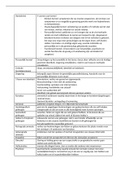
Rhythm Rate Regularit P Wave P:QRS PR interval QRS Width Grouping Dropped Example/Comments
y Ratio Beats
Supraventricular Rhythms
Normal Sinus 60-100 BPM Regular Present 1:1 Normal Normal None None
Sinus 60-100 BPM Varies Present 1:1 Normal Normal None None Slower during expiration and faster
Arrythmia with on inhalation due to altering venous
respiratio return and intrathoracic pressure.
n
Sinus <60 BPM Regular Present 1:1 Normal/Slight Normal/Slightly None None Maybe normal in athletes or caused
Bradycardia ly prolonged prolonged by vagal stimulation or medicines.
Sinus >100 BPM Regular Present 1:1 Normal/Slight Normal/Slightly None None Caused by medications or
Tachycardia ly shortened shortened conditions requiring increased
cardiac output.
Sinus Varies Irregular Present except 1:1 Normal Normal None Yes
Pause/Arrest in areas of
pause/arrest
Sinoatrial Varies Irregular Present except 1:1 Normal Normal None Yes Same presentation of SP however
Block in areas of caused by failure to conduct rather
dropped beat than failure to form beat.
Premature Dependant on Irregular Present with 1:1 Varies in ACP Normal Sometimes No Another pacemaker cell in atria fires
Atrial sinus rate differing otherwise at faster rate than SA node, thus
Contraction morphology normal complex comes sooner than
(PAC) (peaked and expected.
sloped)
Ectopic Atrial 100-180 BPM Regular Morphology of 1:1 Different in Normal or None None Ectopic atrial focus fires more
Tachycardia ectopic focus ectopic focus aberrant quickly than underlying sinus rate.
is different
Wandering 100 BPM Irregularl At least 3 1:1 Variable Normal None None Rhythm is created by multiple atrial
Atrial y different depending on pacemakers firing at own pace –
Pacemaker Irregular morphologies focus each has a different PR interval.
, Multifocal >100 BPM Irregularl At least 3 1:1 Variable Normal None None A tachycardic WAP – both are
Atrial y different depending on commonly found in severe lung
Tachycardia Irregular morphologies focus disease.
Atrial Flutter Atrial rate Usually Saw toothed ‘F 2:1 or Variable Normal None None Ventricular response can appear at
250-350 BPM regular waves’ varies slower rates such as 4:1. Named by
Ventricular P:QRS i.e atrial flutter with 2:1 block
Rate 125-175
BPM
Atrial Variable Irregularl None – chaotic None None Normal None None Chaotic firing of numerous atrial
Fibrillation y atrial activity pacemaker cells – no real P waves.
Irregular QRS appear haphazardly.
Junctional Depends on Irregular Variable None None, short Normal Usually None Beat originates prematurely in AVN.
Premature underlying or 1:1 or retrograde none Usually occur sporadically but can
Contraction rhythm occur in grouped patterns. P maybe
absent, antegrade (before QRS) or
retrograde (after QRS)
Junctional Depends on Irregular Variable None None, short Normal None Yes Normal pacemaker cells fail to fire
Escape Beat underlying or 1:1 or retrograde thus next available pacemaker fires
rhythm in place – distance from preceding
complex exceeds normal P-P.
Junctional 40-60 BPM Regular Variable None None, short Normal None None Arises as an escape rhythm when
Rhythm or 1:1 or retrograde normal pacemaking function of atria
and SAN absent. Can also occur in
AV dissociation or third-degree AV
block.
Accelerated 60-100 PM Regular Variable None None, short Normal None None Fires faster than normal pacemaker.
Junctional or 1:1 or retrograde If exceeds 100 BPM it is junctional
Rhythm tachycardia. P waves can be absent,
antegrade or retrograde.
Ventricular Rhythms
Ventricular Depends on Irregular Not present None None Wide (0.12sec) Usually None Premature ventricular cell firing
Premature underlying none before SAN/SV pacer refractory
Contraction rhythm state causing compensatory pause,
underlying rate then continues.
y Ratio Beats
Supraventricular Rhythms
Normal Sinus 60-100 BPM Regular Present 1:1 Normal Normal None None
Sinus 60-100 BPM Varies Present 1:1 Normal Normal None None Slower during expiration and faster
Arrythmia with on inhalation due to altering venous
respiratio return and intrathoracic pressure.
n
Sinus <60 BPM Regular Present 1:1 Normal/Slight Normal/Slightly None None Maybe normal in athletes or caused
Bradycardia ly prolonged prolonged by vagal stimulation or medicines.
Sinus >100 BPM Regular Present 1:1 Normal/Slight Normal/Slightly None None Caused by medications or
Tachycardia ly shortened shortened conditions requiring increased
cardiac output.
Sinus Varies Irregular Present except 1:1 Normal Normal None Yes
Pause/Arrest in areas of
pause/arrest
Sinoatrial Varies Irregular Present except 1:1 Normal Normal None Yes Same presentation of SP however
Block in areas of caused by failure to conduct rather
dropped beat than failure to form beat.
Premature Dependant on Irregular Present with 1:1 Varies in ACP Normal Sometimes No Another pacemaker cell in atria fires
Atrial sinus rate differing otherwise at faster rate than SA node, thus
Contraction morphology normal complex comes sooner than
(PAC) (peaked and expected.
sloped)
Ectopic Atrial 100-180 BPM Regular Morphology of 1:1 Different in Normal or None None Ectopic atrial focus fires more
Tachycardia ectopic focus ectopic focus aberrant quickly than underlying sinus rate.
is different
Wandering 100 BPM Irregularl At least 3 1:1 Variable Normal None None Rhythm is created by multiple atrial
Atrial y different depending on pacemakers firing at own pace –
Pacemaker Irregular morphologies focus each has a different PR interval.
, Multifocal >100 BPM Irregularl At least 3 1:1 Variable Normal None None A tachycardic WAP – both are
Atrial y different depending on commonly found in severe lung
Tachycardia Irregular morphologies focus disease.
Atrial Flutter Atrial rate Usually Saw toothed ‘F 2:1 or Variable Normal None None Ventricular response can appear at
250-350 BPM regular waves’ varies slower rates such as 4:1. Named by
Ventricular P:QRS i.e atrial flutter with 2:1 block
Rate 125-175
BPM
Atrial Variable Irregularl None – chaotic None None Normal None None Chaotic firing of numerous atrial
Fibrillation y atrial activity pacemaker cells – no real P waves.
Irregular QRS appear haphazardly.
Junctional Depends on Irregular Variable None None, short Normal Usually None Beat originates prematurely in AVN.
Premature underlying or 1:1 or retrograde none Usually occur sporadically but can
Contraction rhythm occur in grouped patterns. P maybe
absent, antegrade (before QRS) or
retrograde (after QRS)
Junctional Depends on Irregular Variable None None, short Normal None Yes Normal pacemaker cells fail to fire
Escape Beat underlying or 1:1 or retrograde thus next available pacemaker fires
rhythm in place – distance from preceding
complex exceeds normal P-P.
Junctional 40-60 BPM Regular Variable None None, short Normal None None Arises as an escape rhythm when
Rhythm or 1:1 or retrograde normal pacemaking function of atria
and SAN absent. Can also occur in
AV dissociation or third-degree AV
block.
Accelerated 60-100 PM Regular Variable None None, short Normal None None Fires faster than normal pacemaker.
Junctional or 1:1 or retrograde If exceeds 100 BPM it is junctional
Rhythm tachycardia. P waves can be absent,
antegrade or retrograde.
Ventricular Rhythms
Ventricular Depends on Irregular Not present None None Wide (0.12sec) Usually None Premature ventricular cell firing
Premature underlying none before SAN/SV pacer refractory
Contraction rhythm state causing compensatory pause,
underlying rate then continues.