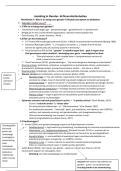
Chapter 19 - Interactions Within Ecosystems
I. Ecosystem
An ecosystem is a biological community of interacting organisms and their physical
environment.
An ecosystem is made up of biotic (living) and abiotic (physical) factors.
o Living things in an ecosystem are called biotic factors
eg. Plants, animals, bacteria, fungi, viruses, etc.
o Non-living things in an ecosystem are called abiotic factors
Light Plants need light for photosynthesis
Amount of light determines type of plants which grows in an area
Plants have larger leaves in order to increase their surface area for light
absorption
Animals need light to see and navigate
Some animals live in places with little to no light
Sunlight provides animals with Vitamin D → important for health
Temperature Temperature affect the activities of all organisms
Rates of photosynthesis and cellular respiration in organisms are
slower in cooler temperatures (cause small stunted plants)
Animal have slower blood circulation, their cells receive energy slower
and thus they often become sluggish
Some animals and plants can live in extremely cold weather, but
generally most organisms survive at temperatures between 0 and 45
degrees Celsius.
Organisms have special adaptations to live in their particular
environment
o Adaptations → the process of change by which an organism or
species becomes better suited to its environment
Water All organisms need water to survive, but the amount that they need
depends on the organisms and their adaptations
Different areas have different amounts of groundwater and rainfall and
organisms need to be able to survive with the amount of water in their
area
Deserts are an example of a habitat with limited water. Organisms are
, specially adapted to live here
o e.g. Cacti, desert foxes
Air The air is made up of gases needed by organisms to survive
Plants and animals need oxygen for cellular respiration to make energy
Plants need carbon dioxide for photosynthesis to make food
Aquatic organisms do not have lungs to get these gases from the air,
so they take in the oxygen dissolved in the water
Polluted water often has less oxygen than clear water and this can kill
fish and aquatic organisms
Some bacteria are specially adapted to survive in low-oxygen
environment
Some plants and animals are specially adapted to get more oxygen
o e.g. mudskippers and mangroves
Mineral salts & Mineral salts are important in the production of essential things in
salinity organisms such as proteins, vitamins and chlorophyll
Plants get these mineral salts from the soil, animals get them from the
food that they eat
the amount of mineral salts dissolved in water affects the salinity
(saltiness) of the environment
Some aquatic organisms are adapted to live in very salty environments
such as the ocean
o e.g. fish, turtles and cordgrass
Others are only adapted to live in freshwater
pH pH affects both land and aquatic organisms
(Acidity and Plants are affected by the pH of the soil
Alkalinity) o They mostly prefer a neutral or slightly alkaline pH
o Some plants prefer more acidic soils → watermelon
Aquatic organisms are affected by the pH of the water around them
o Freshwater organisms tolerate a pH of about 7
o Marine organisms tolerate a higher pH of about 8
Aquatic plants can change the pH of water by absorbing dissolved CO2
making it more alkaline.
Different types of ecosystem
Forest Forest canopy: Upper layer, mostly composed of large trees
Forest floor: Composed of organic and inorganic substances.
High biodiversity
Deciduous or evergreen
Soil varies in terms of fertility
70% of world’s animals depends on forests for their homes
Tundra Extremely cold
Low biotic diversity
Simple vegetation structure
Limitation of drainage
Short season of growth and reproduction
Energy and nutrients in the form of dead organic material
Plants are short & grouped together. Most reproduce by budding &
division
Mammals have additional insulation from fat
Animals hibernate in winter, some migrates to south
Population continually oscillates
Desert Experience a wide range of temperature from day to night
I. Ecosystem
An ecosystem is a biological community of interacting organisms and their physical
environment.
An ecosystem is made up of biotic (living) and abiotic (physical) factors.
o Living things in an ecosystem are called biotic factors
eg. Plants, animals, bacteria, fungi, viruses, etc.
o Non-living things in an ecosystem are called abiotic factors
Light Plants need light for photosynthesis
Amount of light determines type of plants which grows in an area
Plants have larger leaves in order to increase their surface area for light
absorption
Animals need light to see and navigate
Some animals live in places with little to no light
Sunlight provides animals with Vitamin D → important for health
Temperature Temperature affect the activities of all organisms
Rates of photosynthesis and cellular respiration in organisms are
slower in cooler temperatures (cause small stunted plants)
Animal have slower blood circulation, their cells receive energy slower
and thus they often become sluggish
Some animals and plants can live in extremely cold weather, but
generally most organisms survive at temperatures between 0 and 45
degrees Celsius.
Organisms have special adaptations to live in their particular
environment
o Adaptations → the process of change by which an organism or
species becomes better suited to its environment
Water All organisms need water to survive, but the amount that they need
depends on the organisms and their adaptations
Different areas have different amounts of groundwater and rainfall and
organisms need to be able to survive with the amount of water in their
area
Deserts are an example of a habitat with limited water. Organisms are
, specially adapted to live here
o e.g. Cacti, desert foxes
Air The air is made up of gases needed by organisms to survive
Plants and animals need oxygen for cellular respiration to make energy
Plants need carbon dioxide for photosynthesis to make food
Aquatic organisms do not have lungs to get these gases from the air,
so they take in the oxygen dissolved in the water
Polluted water often has less oxygen than clear water and this can kill
fish and aquatic organisms
Some bacteria are specially adapted to survive in low-oxygen
environment
Some plants and animals are specially adapted to get more oxygen
o e.g. mudskippers and mangroves
Mineral salts & Mineral salts are important in the production of essential things in
salinity organisms such as proteins, vitamins and chlorophyll
Plants get these mineral salts from the soil, animals get them from the
food that they eat
the amount of mineral salts dissolved in water affects the salinity
(saltiness) of the environment
Some aquatic organisms are adapted to live in very salty environments
such as the ocean
o e.g. fish, turtles and cordgrass
Others are only adapted to live in freshwater
pH pH affects both land and aquatic organisms
(Acidity and Plants are affected by the pH of the soil
Alkalinity) o They mostly prefer a neutral or slightly alkaline pH
o Some plants prefer more acidic soils → watermelon
Aquatic organisms are affected by the pH of the water around them
o Freshwater organisms tolerate a pH of about 7
o Marine organisms tolerate a higher pH of about 8
Aquatic plants can change the pH of water by absorbing dissolved CO2
making it more alkaline.
Different types of ecosystem
Forest Forest canopy: Upper layer, mostly composed of large trees
Forest floor: Composed of organic and inorganic substances.
High biodiversity
Deciduous or evergreen
Soil varies in terms of fertility
70% of world’s animals depends on forests for their homes
Tundra Extremely cold
Low biotic diversity
Simple vegetation structure
Limitation of drainage
Short season of growth and reproduction
Energy and nutrients in the form of dead organic material
Plants are short & grouped together. Most reproduce by budding &
division
Mammals have additional insulation from fat
Animals hibernate in winter, some migrates to south
Population continually oscillates
Desert Experience a wide range of temperature from day to night