Lecture 6: Alpha, Power, E ect, Size (APES)
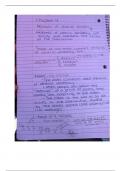
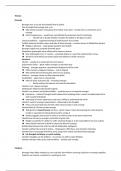
P Value: the probability of obtaining the observed value if the null hypothesis is true —> sensitive to sample
size
Used to make a binary decision
Accept or reject the null hypothesis
Effect size: estimates how large the effect may be —> not influenced by sample size
Cohen’s d (comparison of means)
Between two numeric variables
Determined by r^2
Pearson’s R (strength of correlation between two variables); odds ration (in logistic regression)
Confidence intervals: measure of uncertainty about effect size estimates
Statistical Power: denotes ability to detect a true effect if it is there, given the sample size —> can only be
calculated when we know what size of effect we expect to find
When sample size increases, power increases
Priori Power Analysis: what is the smallest sample size we need to have an 80% power to detect
an effect of interest
When expected effect size increases, power increases
Sensitivity Power Analysis: what is the smallest effect size we can detect, with 80% power, given
sample size and alpha assumption
When Type I error rate increases, power increases
When reliability of measures increases, power increases
Power Curves: depicts relationship between effect size, sample, and power
P Value: the probability of obtaining the observed value if the null hypothesis is true —> sensitive to sample
size
Used to make a binary decision
Accept or reject the null hypothesis
Effect size: estimates how large the effect may be —> not influenced by sample size
Cohen’s d (comparison of means)
Between two numeric variables
Determined by r^2
Pearson’s R (strength of correlation between two variables); odds ration (in logistic regression)
Confidence intervals: measure of uncertainty about effect size estimates
Statistical Power: denotes ability to detect a true effect if it is there, given the sample size —> can only be
calculated when we know what size of effect we expect to find
When sample size increases, power increases
Priori Power Analysis: what is the smallest sample size we need to have an 80% power to detect
an effect of interest
When expected effect size increases, power increases
Sensitivity Power Analysis: what is the smallest effect size we can detect, with 80% power, given
sample size and alpha assumption
When Type I error rate increases, power increases
When reliability of measures increases, power increases
Power Curves: depicts relationship between effect size, sample, and power