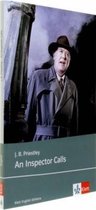
ENGLISH GCSE PERSONAL
REVISION PACK -
AN INSPECTOR CALLS BY
J.B. PRIESTLY
Varminee Ravindra 10G
, CONTENTS
Context:
Social context
Historical context
Literary context
Linguistic Devices
Dramatic Devices
Structure
Conceptual Terminology
Technical Terminology
Contrasts
Parallels
Characters:
Arthur (Mr) Birling
Gerald Croft (future son - in - law)
Sheila Birling (daughter)
Sybil (Mrs) Birling
Eric Birling (son)
Inspector Goole
Eva Smith (dead maid) & Edna (current maid)
Edna (current parlour maid)
Theme / Concepts:
Capitalism
, Corruption
Age
Gender
Social Responsibility
Class
Status & Privilege
Power
Questions
, Context - Social Context
John Priestley was born in a working class family in Bradford in 1894. He has wrote plays, novels, biographies, travelogues
and assorted essays which have been notable for their political engagement. His father was a teacher, therefore he
received a full education, which similar working class children were deprived of. At the age of 17, he left school to work in
the wool trade. When the First World War broke out in 1914, Priestley immediately joined the British army and the
experience was impressionable on him. He hated the idea of war and indeed the war itself, but was very loyal to his
country. After being wounded and affected by gas attack, Priestley was withdrawn from active service and became part of
the Entertainers Section of the British Army. Priestley hated the class system in the army where membership of the higher
ranks was dictated by class and not experience; this led to disaster as inexperienced officers gave appalling orders, which
resulted in many unnecessary deaths. However, he was impressed by the sacrifices of ordinary men. After the war, Priestly
went to Cambridge and completed a degree in Modern History and Political Science. On graduating, he began his career as
an essayist, before branching out into other genres.
Priestley was a Fabian socialist (believed in equality) who believed in a lot of socialism and community based views on
morality, which is shown heavily throughout the play. Priestley’s intention for the play could have possibly have been to
educate the immoral, in order to prevent a reoccurrence of such situations. This form of satirizing relates both to the
Dunne’s and Ouspensky’s theory - throughout Priestley's life, he was fascinated by the idea of time and used this as a
ground to base his stories upon. Ouspensky's theory of time (1931) states: when we die we re-enter our life once more
from the beginning. We are born again into the same house to the same parents and continue to repeat all the events of
our life. This cycle would go on if we changed nothing of significance. If, however, we improved in some spiritual way we
could eventually open the way for us to escape into a new life. Dunn's theory of time (1927) states: that you could be
given the gift of seeing forward in time as well as looking back. This would mean that, just as you could look back and see
what actions led to your present situation, you could look forward and see the consequences of your actions. So, if you
wished, you could change those actions and so avoid the consequences. The play almost has a cyclical structure, as at the
end we are left with a sense that the events will start all over again. The audience are left wondering whether things will
be different and how the characters will now behave given the Inspector’s involvement, which relates to the two theories.
The words “fire and blood and anguish" that are used in the play, clearly relate to the day of judgement, at the time when
one is sent to either Heaven or Hell. It is known that those who follow the “right” way of life and help others will go to
Heaven, however those sent to Hell will be forced to learn their lessons before continuing to an enjoyable after-life in
Heaven, this too supports the Ouspensky’s theory. Priestley lived through the period that he explores in the play, including
the time alluded to by the Inspector. He was also interested in historical events and politics which shows why the play
presents the conflicting views between capitalism and socialism.
"An Inspector Calls" was written towards the end of the Second World War (1945), however he chose to set the play in
spring, 1912, 2 years before the outbreak of the First World War. The play was then produced in London, the following
year 1946. Even when the play was being performed, most people considered the years before 1914 as a time of peace
and stability. Priestley wanted the audience to have more knowledge than the characters and therefore see their failings,
and the failings of 1912 society. He wanted a society in which people would consider/care about one another. Having
experienced two world wars he had seen the dire consequences of the selfishness of mankind and seen the destruction
and horror, therefore he wanted to teach the audience a message, by warning society about conflict, its causes and
consequences. He thought all types of inhumanity could lead to war and rebellion. By setting the play in the past, Priestley
made use of dramatic irony - so the audience knows what happens after the events of the play, but the characters don't.
The audience of the 1945 and 1946 production are very fresh and familiar with the causes of the occurred events in World
War One and World War Two (eg: what made it possible for Hitler to be defeated etc.). A character of prosperity in 1912
would never have imagined the country to go through this upheaval - this represents an idea and one of the Seven Deadly
Sins - selfish and Pride. Eva Smiths represents the non - working class throughout the play.
Social position was far more important in 1912 than it is today. Industrial production expanded massively in the
nineteenth century and many industrialists made huge fortunes. Men such as Arthur Birling may have come from humble
backgrounds but this new wealth allowed them to climb up the social ladder. Marriages between these nouveaux riches
families and aristocratic (but often impoverished) land-owning families helped to secure new social positions. The Labour
REVISION PACK -
AN INSPECTOR CALLS BY
J.B. PRIESTLY
Varminee Ravindra 10G
, CONTENTS
Context:
Social context
Historical context
Literary context
Linguistic Devices
Dramatic Devices
Structure
Conceptual Terminology
Technical Terminology
Contrasts
Parallels
Characters:
Arthur (Mr) Birling
Gerald Croft (future son - in - law)
Sheila Birling (daughter)
Sybil (Mrs) Birling
Eric Birling (son)
Inspector Goole
Eva Smith (dead maid) & Edna (current maid)
Edna (current parlour maid)
Theme / Concepts:
Capitalism
, Corruption
Age
Gender
Social Responsibility
Class
Status & Privilege
Power
Questions
, Context - Social Context
John Priestley was born in a working class family in Bradford in 1894. He has wrote plays, novels, biographies, travelogues
and assorted essays which have been notable for their political engagement. His father was a teacher, therefore he
received a full education, which similar working class children were deprived of. At the age of 17, he left school to work in
the wool trade. When the First World War broke out in 1914, Priestley immediately joined the British army and the
experience was impressionable on him. He hated the idea of war and indeed the war itself, but was very loyal to his
country. After being wounded and affected by gas attack, Priestley was withdrawn from active service and became part of
the Entertainers Section of the British Army. Priestley hated the class system in the army where membership of the higher
ranks was dictated by class and not experience; this led to disaster as inexperienced officers gave appalling orders, which
resulted in many unnecessary deaths. However, he was impressed by the sacrifices of ordinary men. After the war, Priestly
went to Cambridge and completed a degree in Modern History and Political Science. On graduating, he began his career as
an essayist, before branching out into other genres.
Priestley was a Fabian socialist (believed in equality) who believed in a lot of socialism and community based views on
morality, which is shown heavily throughout the play. Priestley’s intention for the play could have possibly have been to
educate the immoral, in order to prevent a reoccurrence of such situations. This form of satirizing relates both to the
Dunne’s and Ouspensky’s theory - throughout Priestley's life, he was fascinated by the idea of time and used this as a
ground to base his stories upon. Ouspensky's theory of time (1931) states: when we die we re-enter our life once more
from the beginning. We are born again into the same house to the same parents and continue to repeat all the events of
our life. This cycle would go on if we changed nothing of significance. If, however, we improved in some spiritual way we
could eventually open the way for us to escape into a new life. Dunn's theory of time (1927) states: that you could be
given the gift of seeing forward in time as well as looking back. This would mean that, just as you could look back and see
what actions led to your present situation, you could look forward and see the consequences of your actions. So, if you
wished, you could change those actions and so avoid the consequences. The play almost has a cyclical structure, as at the
end we are left with a sense that the events will start all over again. The audience are left wondering whether things will
be different and how the characters will now behave given the Inspector’s involvement, which relates to the two theories.
The words “fire and blood and anguish" that are used in the play, clearly relate to the day of judgement, at the time when
one is sent to either Heaven or Hell. It is known that those who follow the “right” way of life and help others will go to
Heaven, however those sent to Hell will be forced to learn their lessons before continuing to an enjoyable after-life in
Heaven, this too supports the Ouspensky’s theory. Priestley lived through the period that he explores in the play, including
the time alluded to by the Inspector. He was also interested in historical events and politics which shows why the play
presents the conflicting views between capitalism and socialism.
"An Inspector Calls" was written towards the end of the Second World War (1945), however he chose to set the play in
spring, 1912, 2 years before the outbreak of the First World War. The play was then produced in London, the following
year 1946. Even when the play was being performed, most people considered the years before 1914 as a time of peace
and stability. Priestley wanted the audience to have more knowledge than the characters and therefore see their failings,
and the failings of 1912 society. He wanted a society in which people would consider/care about one another. Having
experienced two world wars he had seen the dire consequences of the selfishness of mankind and seen the destruction
and horror, therefore he wanted to teach the audience a message, by warning society about conflict, its causes and
consequences. He thought all types of inhumanity could lead to war and rebellion. By setting the play in the past, Priestley
made use of dramatic irony - so the audience knows what happens after the events of the play, but the characters don't.
The audience of the 1945 and 1946 production are very fresh and familiar with the causes of the occurred events in World
War One and World War Two (eg: what made it possible for Hitler to be defeated etc.). A character of prosperity in 1912
would never have imagined the country to go through this upheaval - this represents an idea and one of the Seven Deadly
Sins - selfish and Pride. Eva Smiths represents the non - working class throughout the play.
Social position was far more important in 1912 than it is today. Industrial production expanded massively in the
nineteenth century and many industrialists made huge fortunes. Men such as Arthur Birling may have come from humble
backgrounds but this new wealth allowed them to climb up the social ladder. Marriages between these nouveaux riches
families and aristocratic (but often impoverished) land-owning families helped to secure new social positions. The Labour