Introduction
Concrete has been used for a very long time and still is common today. It is an important artificial and
most used material for construction due to its high-level compressive strength and its inexpensive
cost. This essential material produces a well-built and lifelong option for various commercial and
domestic locations. It is significantly utilised in constructing bridges, highways and roadways, dams,
residences, and buildings.
The objectives of the tests performed are to evaluate the characteristics of concrete such as the
strength of hardened concretes and the workability of fresh concrete. In the experiment, the concrete
was tested during its fresh condition for its consistency and to attain the correct workability. It is a
vital property in concrete to have the preferred workability for high strength and well-compacted
concrete.
The first test conducted was on fresh concrete through a slump test. Also, a series of tests were
executed on hardened concretes through indirect tension test, compression test, and lastly, the
concrete’s flexural strength.
Experimental Method
Concrete is a combination of cement, water, fine aggregates, and coarse aggregates. Once these
materials are mixed all together, they create a feasible paste that hardens and settles gradually over
time. The following will explain the process of producing concrete carried out throughout our lab
sessions.
1. Weighing out the materials – water, aggregates, and cement. Positioning the empty bucket on
the weighing scale and taring it down to 0.
2. Measuring the weight of each material.
3. Putting each measured material into the mixer. Mixing them up for 2 minutes.
4. Preparing an empty bucket to put the fresh concrete made into.
5. The fresh concrete is ready for testing and measuring its workability parameters.
In a slump test, the fresh concrete is assessed through its consistency. The test will indicate if the right
measure of water has been included in the mix with cement and aggregates. Slump is classified as the
process of moving downward of the concrete. The concrete sample is in accordance with BS-EN
12350-1.
1. With the use of a steel cone for slump testing – positioned on a clean, impervious, and solid
surface.
2. Filling the cone with three layers of fresh concrete equally.
3. Tamp each layer 25 times using a rod to ensure compaction.
4. The last layer is finished off which must level with the top of the cone and flattened using a
trowel.
5. Delicately lifting the cone upwards, causing a heap of concrete that slightly slumps.
6. Placing the turned over slump cone against the subsided concrete. Measuring the height
difference level between them.
7. Preparing five moulds with three distinct shapes – 3 cube samples, 1 cylinder sample, and 1
beam sample. The cube samples will be used for compressive examination. The splitting test
will be inspected with the cylinder sample. Lastly, the beam specimen is for the flexural test.
8. Placing the moulds on a clean and flat-surfaced vibration table. Filing each mould with 2 layers
of concrete. The vibration table will be turned on for each layer.
9. Using a trowel to finish the top surface and recording the date of production.
10. Storing the moulds untouched and undisturbed. Ensuring perfect conditions by covering them
with wet hessian.
11. Stripping the moulds after 24 hours and curing the produced concretes more by submerging
them in a water container or curing tank for 2 weeks.
, 12. After achieving the desired date, the hardened concretes are ready to be tested.
Compressive Testing
Firstly, removing the rough and undesirable edges from the cube. Placing it in a compression testing
machine with the smooth face of the cube resting on the steel plates of the machine. This is done so
that it will not cause the cube an irregular loading because of an uneven level base. During the
compressive testing, the cube was placed correctly, and starting to apply load would be necessary.
Applying the load at a rate of 3 kN/s on the cubic specimen without stopping and constantly
increasing the load until no further load could be sustained and the cube would break or crack up. The
maximum load would be then documented.
Splitting Test
The cylindrical specimen would be examined in a similar machine where the compressive strength of
the cubic concretes was attained. The specimen must be kept in the centre placement without moving
as the first load would be applied; with the aid of two plywood strips as temporary supports. Applying
the load constantly with no shock until additional load could not be supported.
Flexural Test
Another method of measuring tensile strength is called a flexural test. In this method, the beam
concrete was evaluated with the use of a flexural test machine. Setting the beam concrete
appropriately in the centre position in the test machine having its axis of longitudinal located at the
correct angles towards the rollers. Before initiating to exert load, confirming that the rollers and each
loading is situated evenly on the concrete beam. Exerting load unceasingly whilst waiting for the test
machine to stop due to unsustainable load on the specimen.
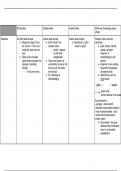
The table below demonstrates 10 groups of mix designs with different quantities of materials used
during the mixing process. Moreover, the table illustrates the values observed and calculated
throughout the testing procedures.
Concrete has been used for a very long time and still is common today. It is an important artificial and
most used material for construction due to its high-level compressive strength and its inexpensive
cost. This essential material produces a well-built and lifelong option for various commercial and
domestic locations. It is significantly utilised in constructing bridges, highways and roadways, dams,
residences, and buildings.
The objectives of the tests performed are to evaluate the characteristics of concrete such as the
strength of hardened concretes and the workability of fresh concrete. In the experiment, the concrete
was tested during its fresh condition for its consistency and to attain the correct workability. It is a
vital property in concrete to have the preferred workability for high strength and well-compacted
concrete.
The first test conducted was on fresh concrete through a slump test. Also, a series of tests were
executed on hardened concretes through indirect tension test, compression test, and lastly, the
concrete’s flexural strength.
Experimental Method
Concrete is a combination of cement, water, fine aggregates, and coarse aggregates. Once these
materials are mixed all together, they create a feasible paste that hardens and settles gradually over
time. The following will explain the process of producing concrete carried out throughout our lab
sessions.
1. Weighing out the materials – water, aggregates, and cement. Positioning the empty bucket on
the weighing scale and taring it down to 0.
2. Measuring the weight of each material.
3. Putting each measured material into the mixer. Mixing them up for 2 minutes.
4. Preparing an empty bucket to put the fresh concrete made into.
5. The fresh concrete is ready for testing and measuring its workability parameters.
In a slump test, the fresh concrete is assessed through its consistency. The test will indicate if the right
measure of water has been included in the mix with cement and aggregates. Slump is classified as the
process of moving downward of the concrete. The concrete sample is in accordance with BS-EN
12350-1.
1. With the use of a steel cone for slump testing – positioned on a clean, impervious, and solid
surface.
2. Filling the cone with three layers of fresh concrete equally.
3. Tamp each layer 25 times using a rod to ensure compaction.
4. The last layer is finished off which must level with the top of the cone and flattened using a
trowel.
5. Delicately lifting the cone upwards, causing a heap of concrete that slightly slumps.
6. Placing the turned over slump cone against the subsided concrete. Measuring the height
difference level between them.
7. Preparing five moulds with three distinct shapes – 3 cube samples, 1 cylinder sample, and 1
beam sample. The cube samples will be used for compressive examination. The splitting test
will be inspected with the cylinder sample. Lastly, the beam specimen is for the flexural test.
8. Placing the moulds on a clean and flat-surfaced vibration table. Filing each mould with 2 layers
of concrete. The vibration table will be turned on for each layer.
9. Using a trowel to finish the top surface and recording the date of production.
10. Storing the moulds untouched and undisturbed. Ensuring perfect conditions by covering them
with wet hessian.
11. Stripping the moulds after 24 hours and curing the produced concretes more by submerging
them in a water container or curing tank for 2 weeks.
, 12. After achieving the desired date, the hardened concretes are ready to be tested.
Compressive Testing
Firstly, removing the rough and undesirable edges from the cube. Placing it in a compression testing
machine with the smooth face of the cube resting on the steel plates of the machine. This is done so
that it will not cause the cube an irregular loading because of an uneven level base. During the
compressive testing, the cube was placed correctly, and starting to apply load would be necessary.
Applying the load at a rate of 3 kN/s on the cubic specimen without stopping and constantly
increasing the load until no further load could be sustained and the cube would break or crack up. The
maximum load would be then documented.
Splitting Test
The cylindrical specimen would be examined in a similar machine where the compressive strength of
the cubic concretes was attained. The specimen must be kept in the centre placement without moving
as the first load would be applied; with the aid of two plywood strips as temporary supports. Applying
the load constantly with no shock until additional load could not be supported.
Flexural Test
Another method of measuring tensile strength is called a flexural test. In this method, the beam
concrete was evaluated with the use of a flexural test machine. Setting the beam concrete
appropriately in the centre position in the test machine having its axis of longitudinal located at the
correct angles towards the rollers. Before initiating to exert load, confirming that the rollers and each
loading is situated evenly on the concrete beam. Exerting load unceasingly whilst waiting for the test
machine to stop due to unsustainable load on the specimen.
The table below demonstrates 10 groups of mix designs with different quantities of materials used
during the mixing process. Moreover, the table illustrates the values observed and calculated
throughout the testing procedures.