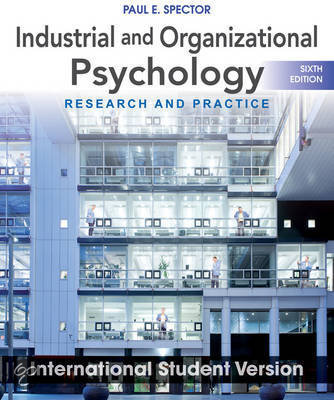
Samenvatting “industrial and organizational psychology
Contents
Chapter 1 Introduction ............................................................................................................................ 3
Chapter 2 Research methods in I/O psychology ..................................................................................... 4
Design concepts................................................................................................................................... 4
Research designs ................................................................................................................................. 5
Measurement ...................................................................................................................................... 6
Statistics .............................................................................................................................................. 6
Ethics of research ................................................................................................................................ 7
Chapter 3: Job Analysis............................................................................................................................ 8
What is job analysis? ........................................................................................................................... 8
Purpose of job analysis ........................................................................................................................ 8
How job analysis information is collected ........................................................................................... 9
Methods of job analysis ...................................................................................................................... 9
Reliability and validity of job analysis information ........................................................................... 10
Job evaluation ................................................................................................................................... 10
Chapter 4 Performance Appraisal ......................................................................................................... 11
Why do we appraise employees? ..................................................................................................... 11
Performance criteria ......................................................................................................................... 11
Methods for assessing job performance ........................................................................................... 12
The impact of technology on performance appraisal ....................................................................... 13
Legal issues in performance appraisal............................................................................................... 13
Chapter 5 Assessment Methods for Selection and Placement ............................................................. 14
Job characteristics ............................................................................................................................. 14
Psychological tests............................................................................................................................. 14
Biographical information ................................................................................................................... 15
Interviews .......................................................................................................................................... 15
Work samples .................................................................................................................................... 16
Assessment centers ........................................................................................................................... 16
Electronic assessment ....................................................................................................................... 17
Chapter 6 Selecting employees ............................................................................................................. 17
The planning of human resource needs ............................................................................................ 17
Recruiting applicants ......................................................................................................................... 17
Selecting Employees .......................................................................................................................... 17
Getting applicants to accept and keep jobs offered ......................................................................... 18
1
, The utility of scientific selection ........................................................................................................ 18
International differences in selection practices ................................................................................ 19
Legal issues ........................................................................................................................................ 19
Chapter 7: Training ................................................................................................................................ 20
Needs assessment ............................................................................................................................. 20
Objectives .......................................................................................................................................... 20
Training design .................................................................................................................................. 20
Evaluation of a training program....................................................................................................... 21
Chapter 8 Theories of employee motivation ........................................................................................ 22
What is motivation? .......................................................................................................................... 22
Work motivation theories ................................................................................................................. 22
Need theories .................................................................................................................................... 22
Reinforcement theory ....................................................................................................................... 23
Expectancy theory ............................................................................................................................. 23
Self-efficacy theory ............................................................................................................................ 23
Justice theories .................................................................................................................................. 23
Goal setting theory ............................................................................................................................ 23
Control theory ................................................................................................................................... 24
Action theory ..................................................................................................................................... 24
Chapter 9 Feelings about work: Job attitudes and emotions ............................................................... 24
The nature of job satisfaction ........................................................................................................... 24
How people feel about their jobs ...................................................................................................... 24
The assessment of job satisfaction.................................................................................................... 25
Antecedents of job satisfaction ......................................................................................................... 25
Potential effects of job satisfaction................................................................................................... 26
Organizational commitment ............................................................................................................. 26
Emotions at work .............................................................................................................................. 27
Chapter 10 productive and counterproductive employee behavior .................................................... 27
Productive behavior: task performance ............................................................................................ 27
Organizational citizenship behavior (OCB) ........................................................................................ 28
Counterproductive work behavior: withdrawal ................................................................................ 28
Counterproductive work behavior: aggression, sabotage and Theft ................................................ 29
Chapter 11: Occupational Health psychology ....................................................................................... 30
Occupational health and safety......................................................................................................... 30
Work schedules ................................................................................................................................. 31
Occupational stress ........................................................................................................................... 31
2
, Work-family conflict .......................................................................................................................... 32
Burnout.............................................................................................................................................. 33
Chapter 12 Work Groups and Work Teams .......................................................................................... 33
Work Groups VS Work teams ............................................................................................................ 33
Important group and team concepts ................................................................................................ 33
Group and team performance .......................................................................................................... 34
Group diversity .............................................................................................................................. 35
Interventions with work groups in organizations ............................................................................. 35
Chapter 13 Leadership and power in organizations.............................................................................. 35
What is leadership? ........................................................................................................................... 35
Source of influence and power ......................................................................................................... 36
Abuse of supervisory power: sexual and ethnic harassment............................................................ 36
Approaches to the understanding of leadership............................................................................... 37
Women in leadership positions......................................................................................................... 39
Cross-Cultural issues in leadership .................................................................................................... 39
Chapter 14: Organizational Development and Theory ......................................................................... 40
Organizational development ............................................................................................................. 40
Organizational theories ..................................................................................................................... 41
Chapter 1 Introduction
Everybody has contact with organizations. One of the specialists that help the organizations is the I/O
(industrial/organizational) psychologist. They help with task such as:
- The application form
- Benefit packages
- The salary
- Training
- Selection
- Motivation
The main aspects of I/O psychology are:
- Scientific study of the human aspect of the organization
- Application of the research
I/O psychology is an evidence based field and has a historical basis in experimental psychology but is
influenced by many other fields.
The industrial and organizational aspects of I/O psychology overlap and are not easily separated.
Industrial aspects are focused on efficiency and performance and organizational aspects focus on the
happiness and well-being of the employees.
3
Contents
Chapter 1 Introduction ............................................................................................................................ 3
Chapter 2 Research methods in I/O psychology ..................................................................................... 4
Design concepts................................................................................................................................... 4
Research designs ................................................................................................................................. 5
Measurement ...................................................................................................................................... 6
Statistics .............................................................................................................................................. 6
Ethics of research ................................................................................................................................ 7
Chapter 3: Job Analysis............................................................................................................................ 8
What is job analysis? ........................................................................................................................... 8
Purpose of job analysis ........................................................................................................................ 8
How job analysis information is collected ........................................................................................... 9
Methods of job analysis ...................................................................................................................... 9
Reliability and validity of job analysis information ........................................................................... 10
Job evaluation ................................................................................................................................... 10
Chapter 4 Performance Appraisal ......................................................................................................... 11
Why do we appraise employees? ..................................................................................................... 11
Performance criteria ......................................................................................................................... 11
Methods for assessing job performance ........................................................................................... 12
The impact of technology on performance appraisal ....................................................................... 13
Legal issues in performance appraisal............................................................................................... 13
Chapter 5 Assessment Methods for Selection and Placement ............................................................. 14
Job characteristics ............................................................................................................................. 14
Psychological tests............................................................................................................................. 14
Biographical information ................................................................................................................... 15
Interviews .......................................................................................................................................... 15
Work samples .................................................................................................................................... 16
Assessment centers ........................................................................................................................... 16
Electronic assessment ....................................................................................................................... 17
Chapter 6 Selecting employees ............................................................................................................. 17
The planning of human resource needs ............................................................................................ 17
Recruiting applicants ......................................................................................................................... 17
Selecting Employees .......................................................................................................................... 17
Getting applicants to accept and keep jobs offered ......................................................................... 18
1
, The utility of scientific selection ........................................................................................................ 18
International differences in selection practices ................................................................................ 19
Legal issues ........................................................................................................................................ 19
Chapter 7: Training ................................................................................................................................ 20
Needs assessment ............................................................................................................................. 20
Objectives .......................................................................................................................................... 20
Training design .................................................................................................................................. 20
Evaluation of a training program....................................................................................................... 21
Chapter 8 Theories of employee motivation ........................................................................................ 22
What is motivation? .......................................................................................................................... 22
Work motivation theories ................................................................................................................. 22
Need theories .................................................................................................................................... 22
Reinforcement theory ....................................................................................................................... 23
Expectancy theory ............................................................................................................................. 23
Self-efficacy theory ............................................................................................................................ 23
Justice theories .................................................................................................................................. 23
Goal setting theory ............................................................................................................................ 23
Control theory ................................................................................................................................... 24
Action theory ..................................................................................................................................... 24
Chapter 9 Feelings about work: Job attitudes and emotions ............................................................... 24
The nature of job satisfaction ........................................................................................................... 24
How people feel about their jobs ...................................................................................................... 24
The assessment of job satisfaction.................................................................................................... 25
Antecedents of job satisfaction ......................................................................................................... 25
Potential effects of job satisfaction................................................................................................... 26
Organizational commitment ............................................................................................................. 26
Emotions at work .............................................................................................................................. 27
Chapter 10 productive and counterproductive employee behavior .................................................... 27
Productive behavior: task performance ............................................................................................ 27
Organizational citizenship behavior (OCB) ........................................................................................ 28
Counterproductive work behavior: withdrawal ................................................................................ 28
Counterproductive work behavior: aggression, sabotage and Theft ................................................ 29
Chapter 11: Occupational Health psychology ....................................................................................... 30
Occupational health and safety......................................................................................................... 30
Work schedules ................................................................................................................................. 31
Occupational stress ........................................................................................................................... 31
2
, Work-family conflict .......................................................................................................................... 32
Burnout.............................................................................................................................................. 33
Chapter 12 Work Groups and Work Teams .......................................................................................... 33
Work Groups VS Work teams ............................................................................................................ 33
Important group and team concepts ................................................................................................ 33
Group and team performance .......................................................................................................... 34
Group diversity .............................................................................................................................. 35
Interventions with work groups in organizations ............................................................................. 35
Chapter 13 Leadership and power in organizations.............................................................................. 35
What is leadership? ........................................................................................................................... 35
Source of influence and power ......................................................................................................... 36
Abuse of supervisory power: sexual and ethnic harassment............................................................ 36
Approaches to the understanding of leadership............................................................................... 37
Women in leadership positions......................................................................................................... 39
Cross-Cultural issues in leadership .................................................................................................... 39
Chapter 14: Organizational Development and Theory ......................................................................... 40
Organizational development ............................................................................................................. 40
Organizational theories ..................................................................................................................... 41
Chapter 1 Introduction
Everybody has contact with organizations. One of the specialists that help the organizations is the I/O
(industrial/organizational) psychologist. They help with task such as:
- The application form
- Benefit packages
- The salary
- Training
- Selection
- Motivation
The main aspects of I/O psychology are:
- Scientific study of the human aspect of the organization
- Application of the research
I/O psychology is an evidence based field and has a historical basis in experimental psychology but is
influenced by many other fields.
The industrial and organizational aspects of I/O psychology overlap and are not easily separated.
Industrial aspects are focused on efficiency and performance and organizational aspects focus on the
happiness and well-being of the employees.
3