EntCom readings week 1
Reading 1 Enjoyment: At the hear of media entertainment
Most communication researchers have used the term enjoyment to describe and explain
such positive reactions toward the media and its contents. Researchers should view enjoy-
ment as a phenomenon that consists of more than affective components alone. We there-
fore propose to conceptualize media-related enjoyment as a complex construct that in-
cludes references to physiological, affective, and cognitive dimensions. Because media
entertainment—and media enjoyment at the very heart of this experience—have become
so crucial in multiple domains of communication and daily life, we must formalize our un-
derstanding of it by using a theoretical framework and basic foundations. This article pro-
poses a rather broad con-
ceptualization of media en-
tertainment.
The complexity of the
entertainment experience
At the core of entertainment
experience, there are
characteristics that are usu-
ally linked to positive terms
such as pleasure, enjoy-
ment, and even delight.
However, a wide array of
different experiential re-
sponses and expressions is
also revealed. Most enter-
tainment experiences in which we engage so often and deliberately seem to offer complex,
dynamic, and even multifaceted experiences.
The mood management theory attempts to explain the process of selecting entertainment
products. The users desire for mood regulation. The theory asserts that media users will
attempt to maintain only positive moods, but sometimes they seek and attempt to maintain
negative moods.
The affective disposition theory illustrates the overall experiential response of view-
ers throughout the duration of being exposed to a media product. The theory differentiates
various steps media users go through while engaging with the media. ADT focuses on the
audience’s observation of characters in action, which leads to an assessment of the moral-
ity of the characters’ actions and to the development of affective dispositions toward these
characters. It predicts that entertainment users are driven by a desire for cheerfulness or
fun.
Escapism attempts to explicate how media, particularly narratives presented
through media, may provide some sort of transient mental retreat for users who feel un-
comfortable in their actual lives and social worlds.
Presence is a sense of being there, it describes in great detail what happens in the
mind of media users, when they are “absorbed” by some interesting content, “transported”
to a fictional place and time, and feel as if they interact with individuals who don’t really ex-
ist outside the mind of the user.
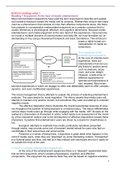
A model of complex entertainment experiences
At the core of the entertainment experience there is a “pleasant” experiential state
that we term enjoyment, which includes physiological, cognitive, and affective
components. The enjoyment the audience feels may also be based on negative emotions.
1
, The most frequent manifestations have already been studied in communication and
in psychology. We find serenity, exhilaration, and, as a behavioral component, laughter as
a manifestation of enjoyment through comedy. Thrill, fear, and relief as the most frequent
response to drama. There also is sadness, melancholy, thoughtfulness, tenderness when
it comes to melodrama or love songs. Sensory delight or pleasure of the senses can be
found in cases of aesthetically appealing media offerings. Sense of achievement, control,
and self-efficacy is associated with playing computer games.
When examining the cause behind the occurrence of the entertainment experience
and its manifestations on the part of the media user, there are several prerequisites. We
know that the ability to appreciate a fictional world requires the reader’s willingness and
ability to suspend disbelief. The media users have to care about the characters who are
featured in the story. The audience has to be capable and has to desire to relate to the
characters and personae featured in media products. These are parasocial relationships.
Another key prerequisite is the user’s sense of being there, that is, of being transported to
the site of the action, actually being there along with those who participate in the action.
The final prerequisite is the media user’s interest in a specific topic, problem, or knowledge
domain. Also on the media’s side there are prerequisites to make an entertainment
experience viable.
The variety of motives to be entertained is far too great for us to cover. We will point
out three. The media users’ wants to escape from the social world in which they actually
live. This tendency of escapism has been identified particularly to attract those individuals
who live substantially under-privileged lives. Another motive can be to regulate one’s own
moods by modifying one’s own stimulus environment. The wish to be challenged, to com-
pete with others, with a program, or even with one’s own previous achievements (i.e.,
score) is probably the single most important motive for interactively entertaining oneself.
The three most important domains of the outcomes and consequences of
entertainment are excitation transfer, catharsis, and learning. It is assumed that all of the
effects and consequences feed back on the prerequisites of and the motives for entertain-
ment that have been identified in our model, making it a repercussive system.
Reading 2 Appreciation as audience response: Exploring entertainment gratifica-
tions beyond hedonism
This article elaborates upon the notion of media enjoyment in the context of film viewing by
proposing a complementary type of gratification that we conceptualize as appreciation.
Three studies show three gratification leading to perceptions of entertainment having a
more long-lasting or enduring effect.
Typical entertainment offerings associated with the notion of enjoyment include comedy,
video games, sporting contests, mystery novels, and the like. Yet this focus on amusement
and pleasure fails to cover the full spectrum of viewers’ responses to entertainment. This
article presents three studies designed to develop measures tapping into the multidimen-
sionality of viewers’ entertainment experiences.
Entertainment in hedonistic terms
Disposition theory, mood management, and sensation seeking are examples of theoretical
perspectives that more broadly address viewers’ selection of and responses to entertain-
ment, as these theories pertain to a wide array of entertainment offerings. The disposition
theory is about moral judgements. The greatest level of gratification is predicted to occur
when good outcomes occur for liked characters and when bad outcomes befall disliked
characters.
Broadening the scope of entertainment gratifications
2
Reading 1 Enjoyment: At the hear of media entertainment
Most communication researchers have used the term enjoyment to describe and explain
such positive reactions toward the media and its contents. Researchers should view enjoy-
ment as a phenomenon that consists of more than affective components alone. We there-
fore propose to conceptualize media-related enjoyment as a complex construct that in-
cludes references to physiological, affective, and cognitive dimensions. Because media
entertainment—and media enjoyment at the very heart of this experience—have become
so crucial in multiple domains of communication and daily life, we must formalize our un-
derstanding of it by using a theoretical framework and basic foundations. This article pro-
poses a rather broad con-
ceptualization of media en-
tertainment.
The complexity of the
entertainment experience
At the core of entertainment
experience, there are
characteristics that are usu-
ally linked to positive terms
such as pleasure, enjoy-
ment, and even delight.
However, a wide array of
different experiential re-
sponses and expressions is
also revealed. Most enter-
tainment experiences in which we engage so often and deliberately seem to offer complex,
dynamic, and even multifaceted experiences.
The mood management theory attempts to explain the process of selecting entertainment
products. The users desire for mood regulation. The theory asserts that media users will
attempt to maintain only positive moods, but sometimes they seek and attempt to maintain
negative moods.
The affective disposition theory illustrates the overall experiential response of view-
ers throughout the duration of being exposed to a media product. The theory differentiates
various steps media users go through while engaging with the media. ADT focuses on the
audience’s observation of characters in action, which leads to an assessment of the moral-
ity of the characters’ actions and to the development of affective dispositions toward these
characters. It predicts that entertainment users are driven by a desire for cheerfulness or
fun.
Escapism attempts to explicate how media, particularly narratives presented
through media, may provide some sort of transient mental retreat for users who feel un-
comfortable in their actual lives and social worlds.
Presence is a sense of being there, it describes in great detail what happens in the
mind of media users, when they are “absorbed” by some interesting content, “transported”
to a fictional place and time, and feel as if they interact with individuals who don’t really ex-
ist outside the mind of the user.
A model of complex entertainment experiences
At the core of the entertainment experience there is a “pleasant” experiential state
that we term enjoyment, which includes physiological, cognitive, and affective
components. The enjoyment the audience feels may also be based on negative emotions.
1
, The most frequent manifestations have already been studied in communication and
in psychology. We find serenity, exhilaration, and, as a behavioral component, laughter as
a manifestation of enjoyment through comedy. Thrill, fear, and relief as the most frequent
response to drama. There also is sadness, melancholy, thoughtfulness, tenderness when
it comes to melodrama or love songs. Sensory delight or pleasure of the senses can be
found in cases of aesthetically appealing media offerings. Sense of achievement, control,
and self-efficacy is associated with playing computer games.
When examining the cause behind the occurrence of the entertainment experience
and its manifestations on the part of the media user, there are several prerequisites. We
know that the ability to appreciate a fictional world requires the reader’s willingness and
ability to suspend disbelief. The media users have to care about the characters who are
featured in the story. The audience has to be capable and has to desire to relate to the
characters and personae featured in media products. These are parasocial relationships.
Another key prerequisite is the user’s sense of being there, that is, of being transported to
the site of the action, actually being there along with those who participate in the action.
The final prerequisite is the media user’s interest in a specific topic, problem, or knowledge
domain. Also on the media’s side there are prerequisites to make an entertainment
experience viable.
The variety of motives to be entertained is far too great for us to cover. We will point
out three. The media users’ wants to escape from the social world in which they actually
live. This tendency of escapism has been identified particularly to attract those individuals
who live substantially under-privileged lives. Another motive can be to regulate one’s own
moods by modifying one’s own stimulus environment. The wish to be challenged, to com-
pete with others, with a program, or even with one’s own previous achievements (i.e.,
score) is probably the single most important motive for interactively entertaining oneself.
The three most important domains of the outcomes and consequences of
entertainment are excitation transfer, catharsis, and learning. It is assumed that all of the
effects and consequences feed back on the prerequisites of and the motives for entertain-
ment that have been identified in our model, making it a repercussive system.
Reading 2 Appreciation as audience response: Exploring entertainment gratifica-
tions beyond hedonism
This article elaborates upon the notion of media enjoyment in the context of film viewing by
proposing a complementary type of gratification that we conceptualize as appreciation.
Three studies show three gratification leading to perceptions of entertainment having a
more long-lasting or enduring effect.
Typical entertainment offerings associated with the notion of enjoyment include comedy,
video games, sporting contests, mystery novels, and the like. Yet this focus on amusement
and pleasure fails to cover the full spectrum of viewers’ responses to entertainment. This
article presents three studies designed to develop measures tapping into the multidimen-
sionality of viewers’ entertainment experiences.
Entertainment in hedonistic terms
Disposition theory, mood management, and sensation seeking are examples of theoretical
perspectives that more broadly address viewers’ selection of and responses to entertain-
ment, as these theories pertain to a wide array of entertainment offerings. The disposition
theory is about moral judgements. The greatest level of gratification is predicted to occur
when good outcomes occur for liked characters and when bad outcomes befall disliked
characters.
Broadening the scope of entertainment gratifications
2