,ATI Comprehensive Predictor Exam 2019 (180 Q &
A, Verified and 100% Correct Answers)
ATI Comprehensive Predictor Exam 2019 (180 Q & A, Verified and 100% Correct
Answers with rationals)
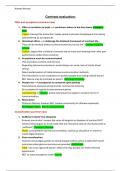
**1. A charge nurse on a pediatric unit is making assignments for a float nurse from the medical unit.
Which client is appropriate to assign to the float nurse?**
a) A 10-year-old with pneumonia receiving respiratory treatments
b) A 4-year-old with a Wilms tumor receiving chemotherapy
c) An 8-month-old scheduled for surgical repair of a ventricular septal defect
d) A 14-year-old scheduled for discharge following placement of a Harrington rod
**Answer:** a) A 10-year-old with pneumonia receiving respiratory treatments
**Rationale:** The float nurse from a medical unit would have experience with respiratory conditions
like pneumonia. The other clients require specialized pediatric oncology, cardiac, or orthopedic post-
operative care .
---
,**2. A nurse is planning to promote client advocacy among staff in a medical unit. Which action should
the nurse take?**
a) Encourage staff to implement paternalism when a client has difficulty deciding
b) Tell staff to explain procedures to clients before obtaining informed consent
c) Instruct staff to share personal experiences to help clients make decisions
d) Develop a system for staff members to report safety concerns
**Answer:** d) Develop a system for staff members to report safety concerns
**Rationale:** Client advocacy involves protecting client safety and rights. A reporting system for safety
concerns directly supports advocacy. Informed consent is a legal requirement, not specifically an
advocacy action .
---
**3. A nurse is caring for a client who requests creation of a living will. Which action should the nurse
take?**
a) Schedule a meeting with the hospital ethics committee
b) Provide information about advance directives
c) Determine the client's preferences about post-mortem care
d) Request a conference with the client's family
**Answer:** b) Provide information about advance directives
**Rationale:** The nurse should provide information about advance directives and living wills. The
client must make their own decisions about advance directives .
---
, **4. A nurse is discussing group therapy with a client. Which characteristic indicates a therapeutic
group?**
a) The group is organized in an autocratic structure
b) The group encourages members to focus on a particular issue
c) The group must be led by a licensed psychiatrist
d) The group encourages clients to form dependent relationships
**Answer:** b) The group encourages members to focus on a particular issue
**Rationale:** Therapeutic groups focus on specific issues to help members work through common
concerns. Leadership can be provided by various mental health professionals .
---
**5. A nurse manager is teaching about malpractice issues. Which example should the nurse include?**
a) Leaving a nasogastric tube clamped after administering oral medication
b) Documenting communication with a provider in the progress notes
c) Administering potassium via IV bolus
d) Placing a yellow bracelet on a client at risk for falls
**Answer:** c) Administering potassium via IV bolus
**Rationale:** Administering potassium via IV bolus is a dangerous and potentially fatal practice that
constitutes malpractice. Potassium must be diluted and infused slowly .
---
### Safety and Infection Control
A, Verified and 100% Correct Answers)
ATI Comprehensive Predictor Exam 2019 (180 Q & A, Verified and 100% Correct
Answers with rationals)
**1. A charge nurse on a pediatric unit is making assignments for a float nurse from the medical unit.
Which client is appropriate to assign to the float nurse?**
a) A 10-year-old with pneumonia receiving respiratory treatments
b) A 4-year-old with a Wilms tumor receiving chemotherapy
c) An 8-month-old scheduled for surgical repair of a ventricular septal defect
d) A 14-year-old scheduled for discharge following placement of a Harrington rod
**Answer:** a) A 10-year-old with pneumonia receiving respiratory treatments
**Rationale:** The float nurse from a medical unit would have experience with respiratory conditions
like pneumonia. The other clients require specialized pediatric oncology, cardiac, or orthopedic post-
operative care .
---
,**2. A nurse is planning to promote client advocacy among staff in a medical unit. Which action should
the nurse take?**
a) Encourage staff to implement paternalism when a client has difficulty deciding
b) Tell staff to explain procedures to clients before obtaining informed consent
c) Instruct staff to share personal experiences to help clients make decisions
d) Develop a system for staff members to report safety concerns
**Answer:** d) Develop a system for staff members to report safety concerns
**Rationale:** Client advocacy involves protecting client safety and rights. A reporting system for safety
concerns directly supports advocacy. Informed consent is a legal requirement, not specifically an
advocacy action .
---
**3. A nurse is caring for a client who requests creation of a living will. Which action should the nurse
take?**
a) Schedule a meeting with the hospital ethics committee
b) Provide information about advance directives
c) Determine the client's preferences about post-mortem care
d) Request a conference with the client's family
**Answer:** b) Provide information about advance directives
**Rationale:** The nurse should provide information about advance directives and living wills. The
client must make their own decisions about advance directives .
---
, **4. A nurse is discussing group therapy with a client. Which characteristic indicates a therapeutic
group?**
a) The group is organized in an autocratic structure
b) The group encourages members to focus on a particular issue
c) The group must be led by a licensed psychiatrist
d) The group encourages clients to form dependent relationships
**Answer:** b) The group encourages members to focus on a particular issue
**Rationale:** Therapeutic groups focus on specific issues to help members work through common
concerns. Leadership can be provided by various mental health professionals .
---
**5. A nurse manager is teaching about malpractice issues. Which example should the nurse include?**
a) Leaving a nasogastric tube clamped after administering oral medication
b) Documenting communication with a provider in the progress notes
c) Administering potassium via IV bolus
d) Placing a yellow bracelet on a client at risk for falls
**Answer:** c) Administering potassium via IV bolus
**Rationale:** Administering potassium via IV bolus is a dangerous and potentially fatal practice that
constitutes malpractice. Potassium must be diluted and infused slowly .
---
### Safety and Infection Control