
NURS 6550 MidTerm Study Guide
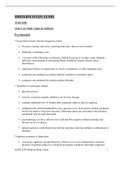
Acute Care Study Guide for midterm Psychosocial * Generalized anxiety disorder diagnosis criteria Excessive anxiety and worry occurring more days than not for 6 months Difficulty controlling worry 3 or more of the following: restlessness, feeling keyed up or on edge; easily fatigued; difficulty concentrating or mind going blank; irritability; muscle tension; sleep disturbances significant distress or impairment on social, occupational, or other important areas symptoms not attributed to another medical condition or substance abuse symptoms not explained by another medical disorder * Treatment of acute panic attacks • physical activity • selective serotonin reuptake inhibitors are first line therapy • continue medication for 12 months after symptoms improve prior to tapering • antidepressants and benzodiazepines may speed recovery from anxiety-related symptoms but do not improve long term outcomes. Benzodiazepines are associated with tolerance and should only be used short term • psychotherapy can be as effective for GAD and PD; cognitive behavior therapy has the best level of evidence • tailored options to individuals have the best outcomes and may include a combination of therapies * Inpatient treatment of depression reasons for inpatient: suicidal behavior; refusal to eat; severe malnutrition; catatonia; presence of general medical or comorbid psychiatric conditions that make outpatient treatment unsafe or ineffective (Depression Mgnt Guidelines AC folder) * When is serotonin norepinephrine reuptake inhibitor indicated most often prescribed for anxiety/sleep disorders influence on thalamus and prefrontal areas of the cortex fibromyalgia when SSRIs don’t work side effects are worse * Venlafaxine dosing generalized anxiety disorder/major depressive disorder: 75-225mg qd social anxiety disorder: 75mg qd * Endogenous depression pathophysiology type of MDD biological or genetic predisposition * Differences between panic attacks and panic disorder panic attack: sudden, intense fear or anxiety may feel shortness of breath or dizzy or may make your heart pound. Feeling they are having a heart attack. Lasts 5-20 minutes. panic disorder: when the panic attacks occur often * Depressive disorder symptoms persistent sad, anxious, or empty mood feelings of hopelessness, or pessimism irritability feelings of guilt, worthlessness, or helplessness loss of interest or pleasure in hobbies and activities decreased energy or fatigue ......................................CONTINUED....................................
Document information
- Uploaded on
- April 24, 2021
- Number of pages
- 25
- Written in
- 2020/2021
- Type
- Other
- Person
- Unknown


