RN_Mnemonics_ABC_UPDATED | NCLEX RN 1000 RN_Mnemonics_ABC_2020
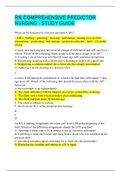
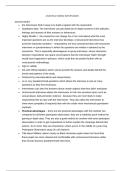
RN_Mnemonics_ABC ABDOMINAL AORTIC ANEURISM “4-A’s” Asymptomatic Abdominal mass Abdominal pulse Aches low back ABDOMINAL DISTENSTION "5-F's" Fat Fluid Feces Flatus Fetus ACE INHIBITOR SIDE EFFECTS "CAPTOPRIL" Cough Anaphylaxis Palpitations Taste Orthostatic -↓BP Potassium - ↑K+ Renal impairment Impotence Leukocytosis ACID-BASE "ROME" – Respiratory Opposite, Metabolic Equal ACIDOSIS » Respiratory (opposite): pH Pco2 » Metabolic (equal): pH HCO3 ALKALOSIS » Respiratory (opposite): pH Pco2 » Metabolic (equal): pH HCO3 ACIDOSIS/ALKALOSIS “ROME” Respiratory Opposite: pH↑ PCO2↓ = alkalosis pH↓ PCO2↑ = acidosis Metabolic Equal: pH↑ HCO3↑ = Alkalosis pH↓ HCO3↓ = Acidosis ACIDOSIS/ALKALOSIS – COMPENSTATION “RUB MUB” Respiratory Uses Bicarb Metabolic Uses Breathing ALKALOSIS AND ACIDOSIS AlKalosis has “K” – it’s “K”icking pH up = PH↑ AciDosis has “D” – it’s “D”ropping pH Down = PH↓ ACUTE INFLAMMATION FEATURES Think: "what a cute pair of SLIPpeRs" to tie acute inflammation to “SLIPR”mnemonic). “SLIPR” Swelling Loss of function Increased heat Pain Redness ADRENAL GLAND HORMONES “SSS” S-sugar (Glucocorticoids) S-salt (Mineralocorticoids) S-sex (Androgens) AIMS for improvement “PETEES” AIMS P - Patient centered care E - Efficient T - Timely E - Effective E - Equitable S - Safety ALCOHOL WITHDRAWAL – CLINICAL FEATURES "HITS" Hallucinations (visual, tactile) Increased vital signs & insomnia Tremens delirium tremens (potentially lethal) Shakes/Sweat/Seizures/Stomach pain (N/V) ALCOHOLISM – BEHAVIORAL PROBLEMS “5-D's” D- Denial D- Dependency D- Demanding D- Destructive D- Domineering ALCOHOLISM OUTCOME “BAD” B- Brain Damage A- Alcoholic Hallucinosis D- Death ALDOSTERONE IS REGULATED BY: "RNA’S" Renin-angiotensin mechanism Na concentration in blood Anp (ANP – atrial natriuretic peptide) Stress ALZHEIMER – “5 A’s” to DIAGNOSIS “5-A's” Amnesia – loss of memories Anomia – unable to recall names of everyday objects Apraxia – unable to perform tasks of movement Agnosia – inability to process sensory information Aphasia – disruption with ability to communicate ANGINA – PRECIPITATING FACTORS "4-E's" Eating Emotion Exertion (Exercise) Extreme Temperatures (Hot/Cold weather) “ANOREXIA” – EATING DISORDER A-menorrhea delayed N-o organic factors accounts for weight loss O-obviously thin but feels FAT R-refusal to maintain normal body weight E-epigastric discomfort is common X-symptoms (peculiar symptoms) I-intense fears of gaining weight A-always thinking of foods ANOREXIA NERVOSA – CLINICAL FEATURES "ANOREXIC" A-adolescent women/Amenorrhea N-GT alimentation (most severe cases) O-obsession w/ wt. loss/becoming fat though underweight R-refusal to eat (5% die) E-electrolyte abnormalities (e.g., K+, cardiac arrhythmia) X-exercise I-intelligence often above average/Induced vomiting C-cathartic use (and diuretic abuse) ANTICHOLINERGIC CRISIS Can't see (blurred vision) Can't spit (dry mouth) Can't pee (urinary retention) Can't shit (constipation) ANTICHOLINERGIC CRISIS – SIGNS "SLUD" Salivation Lacrimation Urination Defecation ANTI-TB DRUGS & SIDE EFFECTS “RIPES” Rifampicin – red-orange urine Isoniazid – peripheral neuritis Pyrazinamide – increase uric acid Ethambutol – eye problems Streptomycin – ototoxic (use a star as these drugs stain the teeth) – ??? (H-eat, I-nduration) – ??? APGAR SCORING "APGAR" Appearance: cyanosis--peripheral, central, none Pulse: pulse rate Grimace: response to stimulation Activity: movement of the baby (muscle tone) Respiration: respiratory rate APPENDICITIS - ASSESSMENT “PAINS” Pain (RLQ) - pain in RLQ of abdomen Anorexia - loss of appetite Increased temperature, WBC (15,000-20,000) Nausea Signs (McBurney's, Psoas) ARTERIAL BLOOD GASES 1. look at pH: Low pH = acidosis High pH = alkalosis 2. use “ROME” mnemonic (to determine if its respiratory or metabolic): Respiratory – Opposite Metabolic – Equal ASSESSING CHANGES IN BEHAVIOR "DEMENTIA" Drug and alcohol Eyes and ears Metabolic and endocrine disorders Emotional disorders Neurologic disorders Tumors and trauma Infection Arterial vascular disease ASTHMA MANAGEMENT "ASTHMA" Adrenergics (Albuterol) Steroids Theophylline Hydration (IV) Mask (Oxygen) Antibiotics ASTHMA - MANAGEMENT Asthma is a spasm of the airways, which causes difficulty breathing. “ASTHMA” Adrenergic (Albuterol) Steroids Theophylline Hydration (IV) Mask (Oxygen) Antibiotics ATRIAL FIBRILLATION – NEW ONSET CAUSES “THE ATRIAL FIBS” Thyroid Hypothermia Embolism (PE) Alcohol Trauma (cardiac contusion) Recent surgery (post CABG) Ischemia Atrial enlargement Lone or idiopathic Fever, anemia, high-output states Infarct Bad valves (mitral stenosis) Stimulants (cocaine, theo, amphet, caffeine) ATRIOVENTRICULAR VALVES "LAB RAT" Left Atrium: Bicuspid Right Atrium: Tricuspid ATROPINE "A goes with B" Atropine used to treat bradycardia. BENNER'S MODEL N - Nickerr's - easy to remember b/c it rhymes with Benner's Novice – strictly able to focus on learning the rules, onset of education A - and - "ad"vanced beginners – distinguish abnormal findings but cannot readily understand significance C - Comp - Competent – able to handle their pt. load and prioritize situation P - Planetary – big picture is the key word - Proficiency E - Experts – Leader/ role model not every nurse becomes one. BETA 1 AND BETA 2 Beta 1 adrenergic receptors are mostly found in the heart. Beta 2 adrenergic receptors are found in lungs, GI tract, vascular smooth muscle, skeletal muscle, liver. Beta 1 beta blockers act primarily on the heart. Beta 2 beta blockers act primarily on the lungs. Beta 1: heart Beta 2: lungs - You have one heart and two lungs BETA BLOCKERS B1 Blocks the heart (only have ONE heart) B2 Blocks the lungs (have TWO lungs) BETA BLOCKER CONTRAINDICATIONS "ABCDE" Asthma Block (heart block) COPD Diabetes mellitus Electrolyte (hyperkalemia) BETA BLOCKERS "You have 1 heart and 2 lungs" Beta-1 act primarily on heart Beta-2 act primarily on lungs BLEEDING PRECAUTIONS “RANDI” R- Razor Electric/Blades A- Aspirin N- No needles (esp. in small gauge) D- Do decrease in needle sticks) I - Injury (Protect from) BLEEDING PRECAUTIONS If a patient is taking an anticoagulant to prevent blood clots there is increased risk for bleeding. Be careful with blades when shaving. Do not take aspirin as it interferes with blood clotting and can magnify the effect of the medication. Avoid excess needle sticks and protect the patient from injury. “RANDI” Razor - - - - - -Continued
Written for
- Institution
-
Rasmussen College
- Course
-
RN_Mnemonics (NCLEXRN1000)
Document information
- Uploaded on
- April 24, 2021
- Number of pages
- 65
- Written in
- 2020/2021
- Type
- Exam (elaborations)
- Contains
- Questions & answers
Subjects
- abdominal aortic aneurism
- acid base
- abdominal distenstion
-
nclex rn 1000 rnmnemonicsabc
-
acidosisalkalosis
-
ace inhibitor side effects
-
acidosisalkalosis – compenstation
-
↓ acute inflammation features